Measure an AI phone workflow by whether the caller's authorized administrative task reached a verified outcome. Answered-call counts describe activity. They do not establish that an appointment was created correctly, a callback reached its owner or an account question was resolved. Choose the outcome first, then define the denominator and the evidence needed to count it.
A small therapy practice can begin with a simple weekly worksheet. It does not need an elaborate dashboard before it can distinguish a successful task from an abandoned conversation.
Define the events before calculating rates
Agree on these terms with the staff who will review results. The definitions below are proposed measurement rules; software vendors may use different names.
| Measure | What to count | What not to imply |
|---|---|---|
| Answered conversations | Connected conversations with an exchange | Every caller's problem was solved |
| Eligible requests | Requests inside the configured workflow scope | All incoming calls should be automated |
| Verified completions | Intended action confirmed in its source system | A positive conversational statement is proof |
| Recorded handoffs | Follow-up records successfully created | Staff received or resolved them |
| Unresolved eligible requests | In-scope tasks without a confirmed outcome | Every unresolved task is an AI error |
| Incorrect actions | Verified wrong or unauthorized actions | A low count makes an incident insignificant |
Define a task as well as a conversation. One caller may ask about hours and then request rescheduling. Counting that as one successful call because the hours answer was correct would hide an unsuccessful appointment change.
Use denominators that answer a real question
For a booking workflow, an operational completion rate could be verified bookings divided by eligible booking requests. Document why a request was excluded: an unavailable appointment, a caller outside the supported workflow or a request abandoned before required details were supplied.
Keep exclusions visible beside the rate. A team can make a percentage look better simply by changing eligibility rules. The owner should be able to reconcile the total incoming tasks to eligible, excluded and unclassified tasks without unexplained gaps.
Avoid comparing a period with information-only permissions to a later period with booking enabled as if they tested the same job. Note permission changes, outages and changes in staff coverage on the worksheet.
A hypothetical weekly calculation
Imagine a fictional pilot with 40 administrative task requests. Twelve concern public information and eight fall outside the configured scope. Of the remaining 20 booking requests, 14 result in appointments confirmed in the calendar, four become staff follow-up requests and two remain unresolved at review time.
The proposed booking completion calculation is 14 divided by 20, or 70%. That is an invented arithmetic example, not a CallSphere Health result or an expected performance level. It would be incorrect to add the four handoffs to completed bookings unless staff later verified the actual appointments.
If one of the 14 bookings has the wrong time, correct the completion count and record the incorrect action. Do not leave the original success count untouched while placing the defect in a separate report nobody reads.
Count staff work without inventing savings
If the practice wants to understand staff effort, agree on how to record review and correction time. Include knowledge maintenance, exception handling and reconciliation. Compare like periods and acknowledge differences in call mix or staffing.
A rough impression that calls feel easier is useful qualitative feedback, but it should not become a published dollar-saving claim. Likewise, a hypothetical employee salary calculation is not evidence that the practice reduced its payroll.
The NIST AI Risk Management Framework provides broader context for managing and evaluating AI use. Our definitions are an operational starting point that your practice can adapt to its own approved workflow.
Ask to see the evidence behind the chart
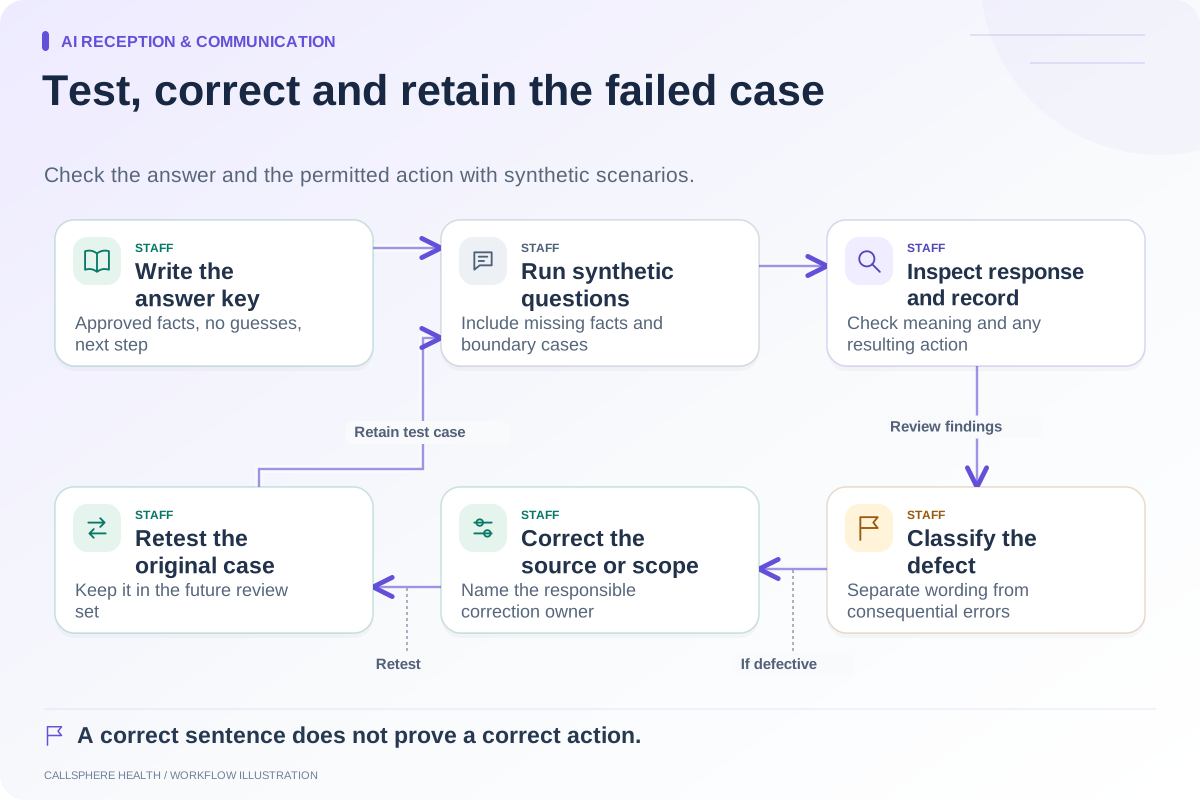
CallSphere Health's AI receptionist supports administrative conversations and configured actions; availability depends on the setup described in capabilities. During evaluation, ask where the action result and callback record appear, which fields can be reviewed and which data are unavailable. Do not assume a specific report exists because the underlying workflow does.
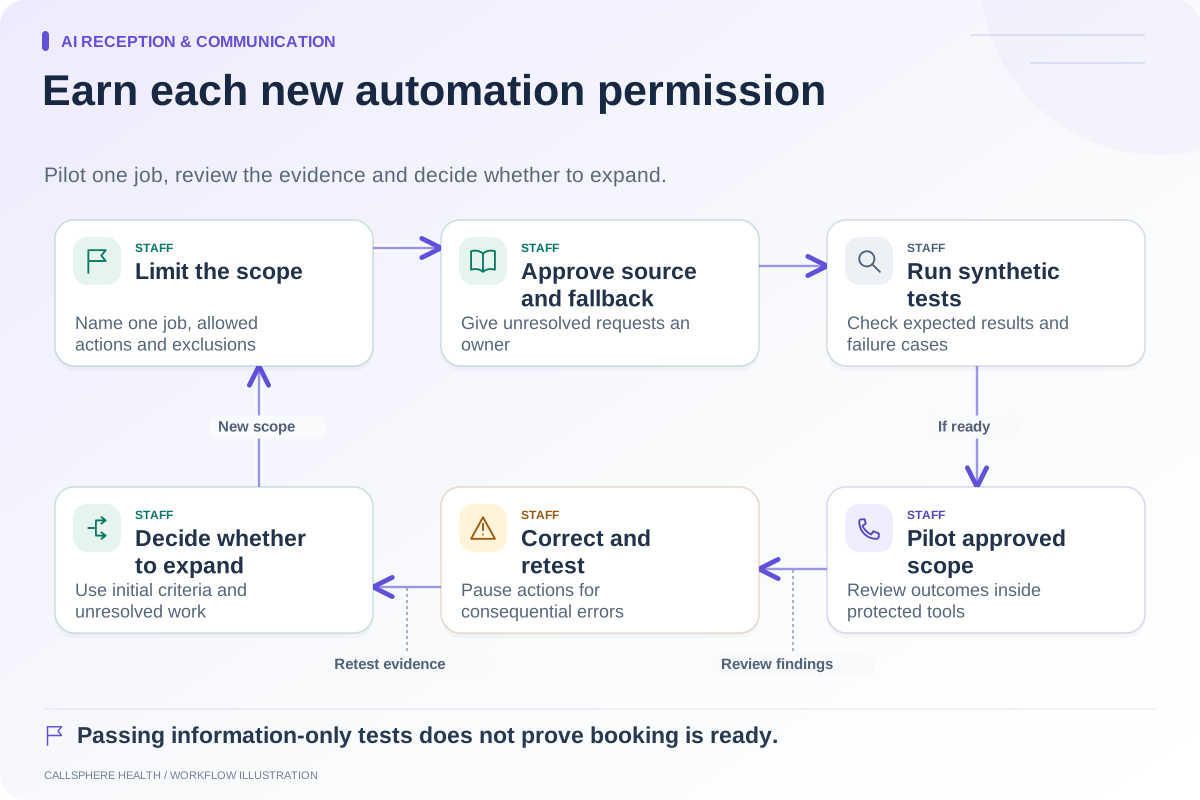
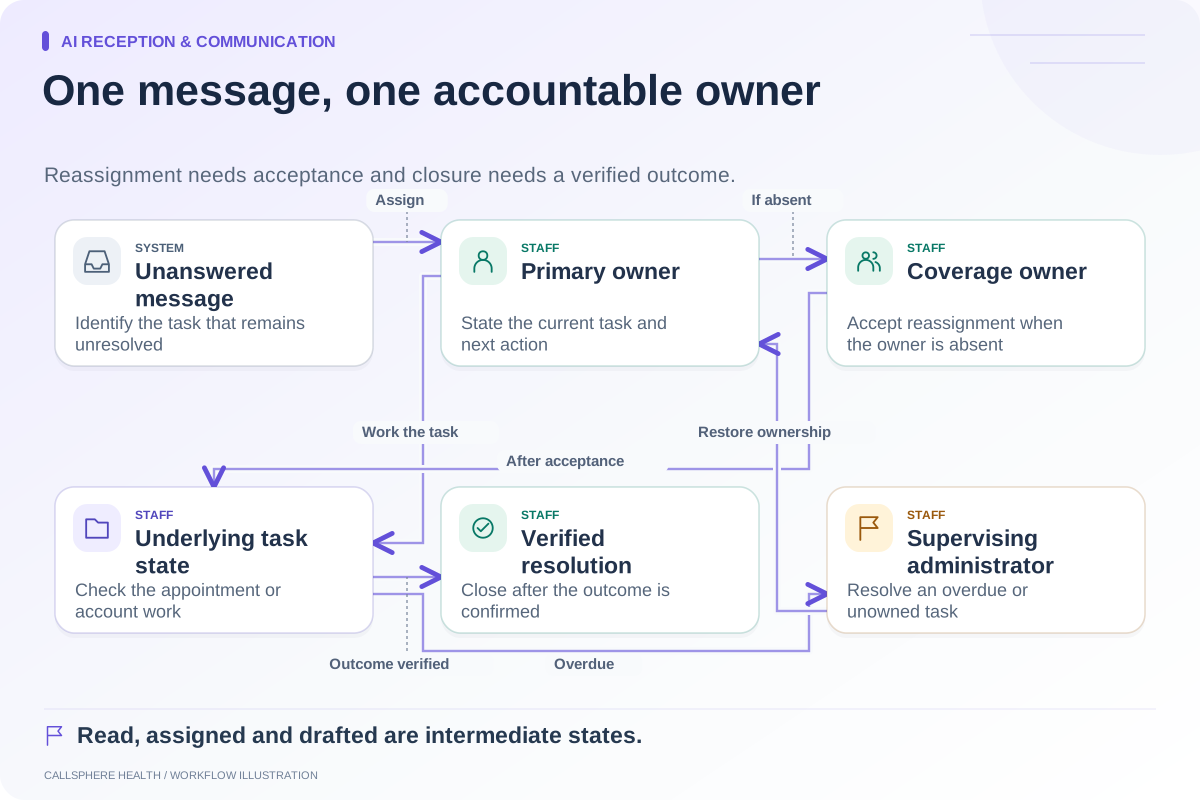
Use message ownership rules to measure handoff completion, and set the definitions before a limited pilot. More practical evaluation tools appear in AI reception and communication.
Sources and product scope checked September 9, 2026.