Review administrative AI answers without using real patient data
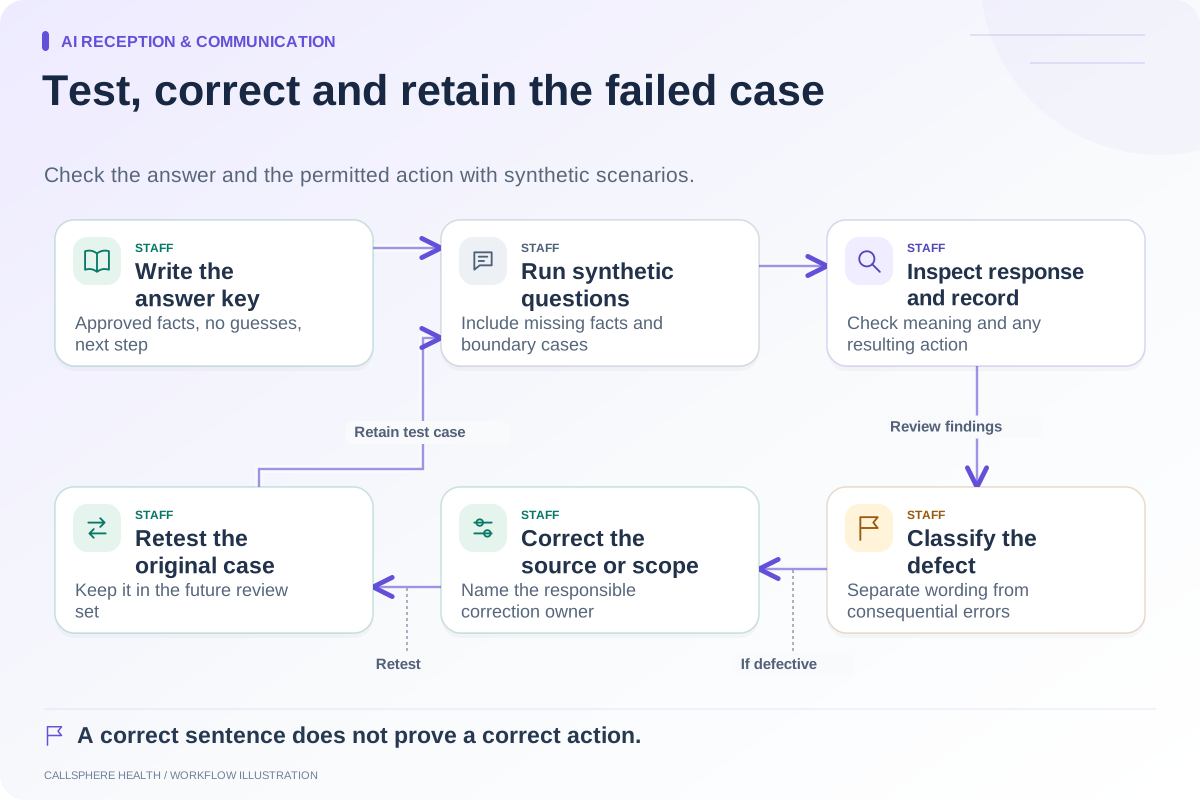
Build a synthetic question bank and severity-based review log to test administrative AI answers without putting real patient information into test prompts.
The Therapy Practice Playbook
Practical guidance for mental and behavioral health teams navigating scheduling, intake, documentation, billing, growth and front-office workload—with responsible ways to use AI. See how CallSphere works.
Build a synthetic question bank and severity-based review log to test administrative AI answers without putting real patient information into test prompts.
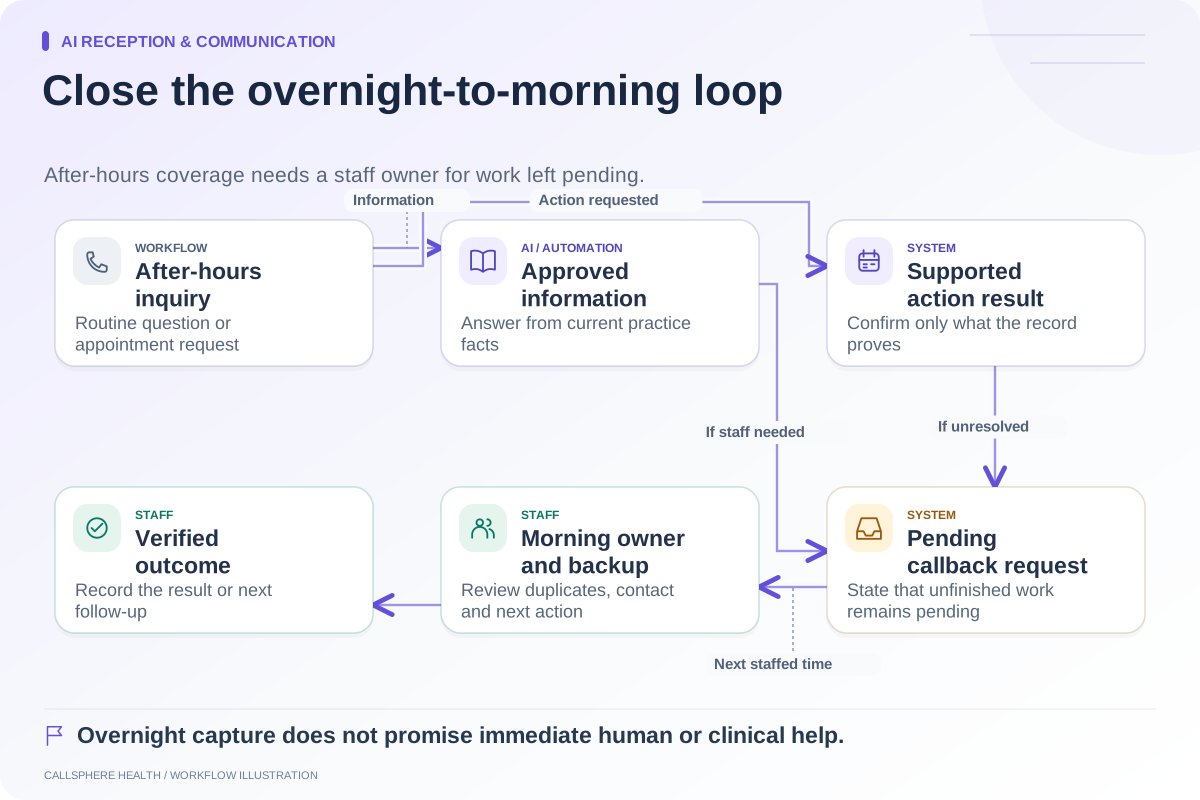
Design an after-hours therapy inquiry workflow with approved answers, accurate booking status, callback ownership, and clear staff boundaries.
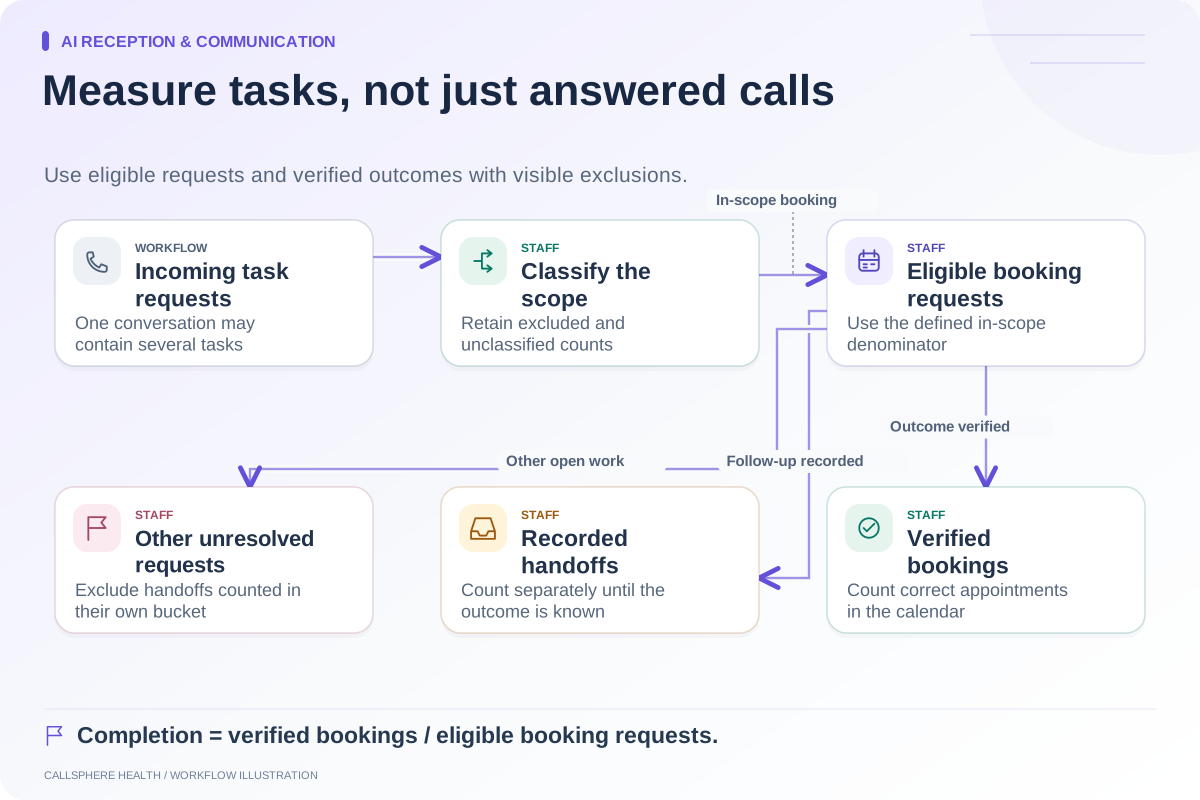
Define AI phone workflow metrics for eligible inquiries, completed tasks, handoffs and errors so call counts do not masquerade as practice outcomes.
105 articles
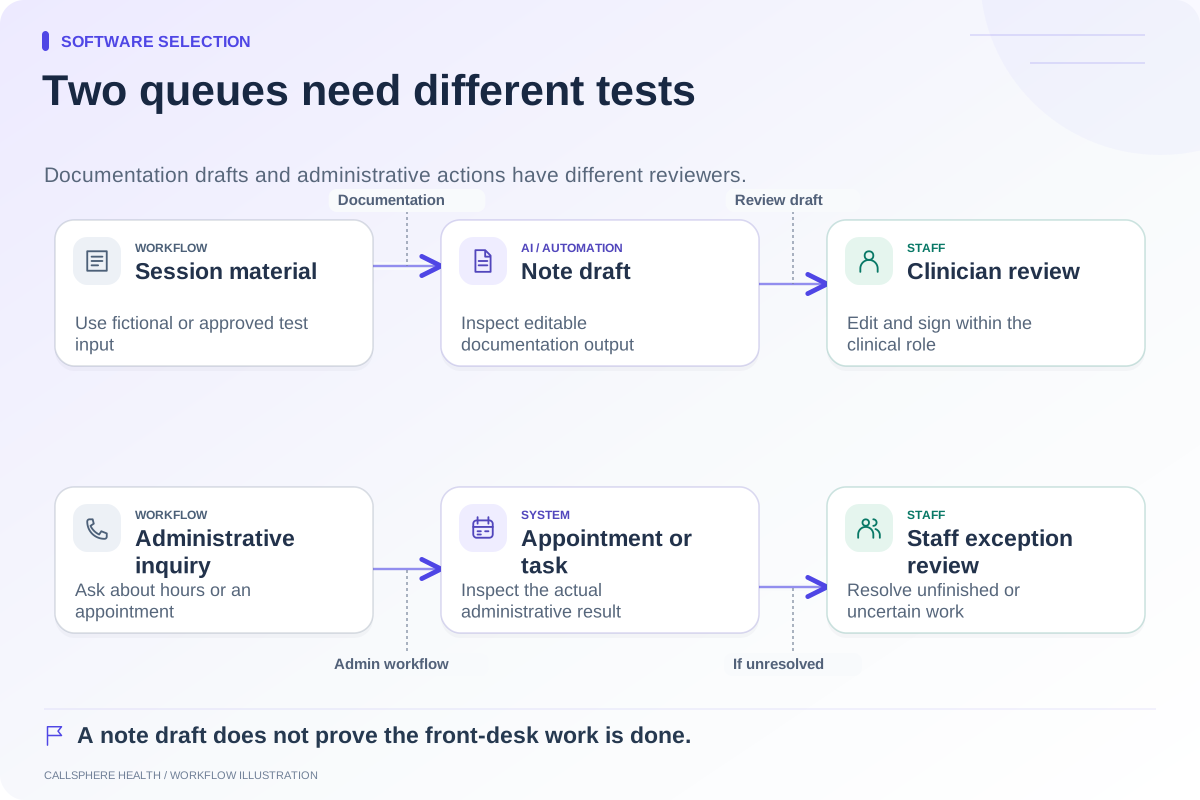
Understand the difference between AI note tools and an AI-powered EHR, then choose based on documentation and administrative workflow needs.
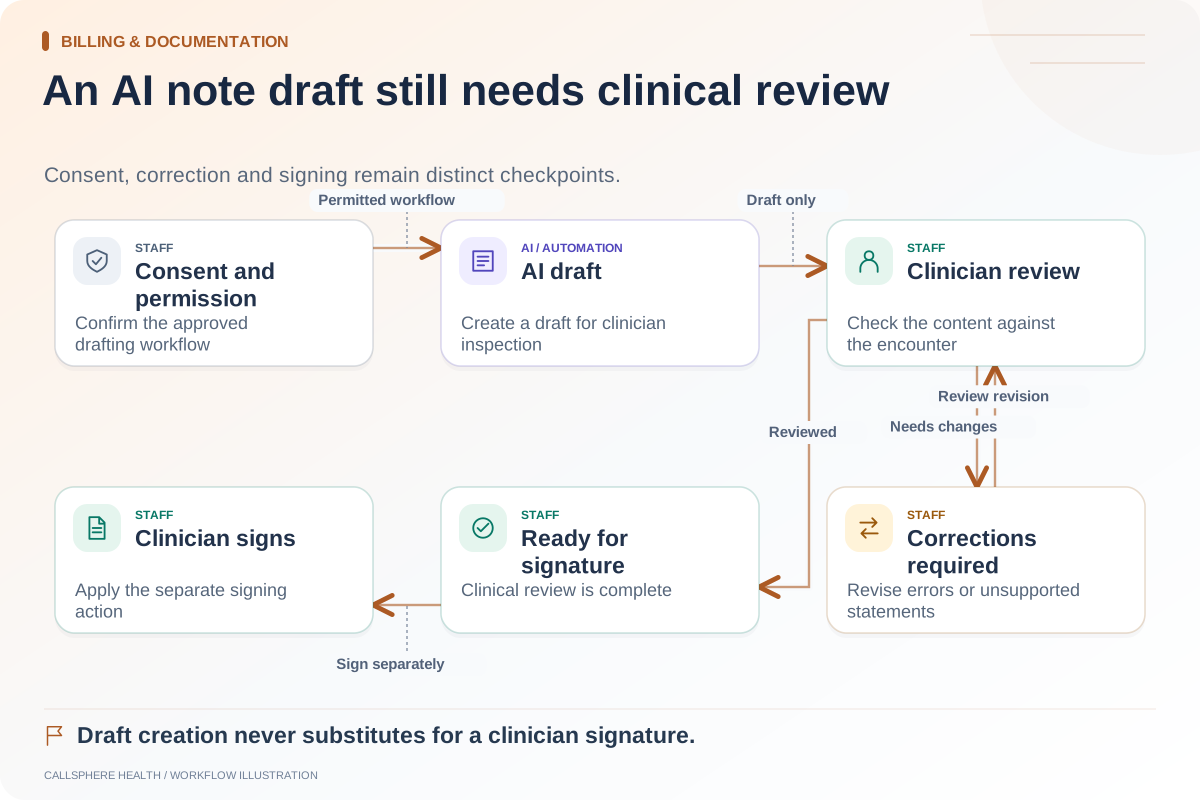
Define draft, review, correction and signing responsibilities for AI-assisted therapy notes, with a practical checklist and a synthetic example.
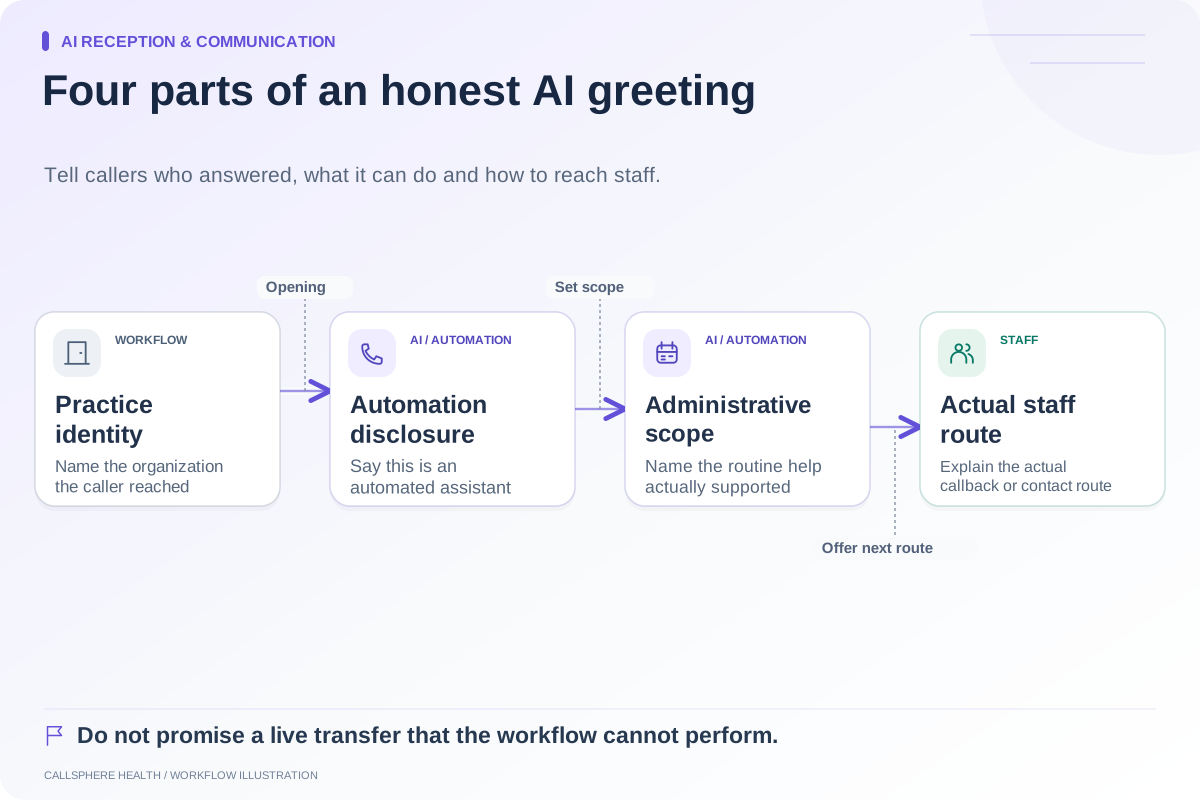
Write an AI phone greeting for a mental health practice with clear identity, administrative scope, truthful next steps, and an accessible staff route.
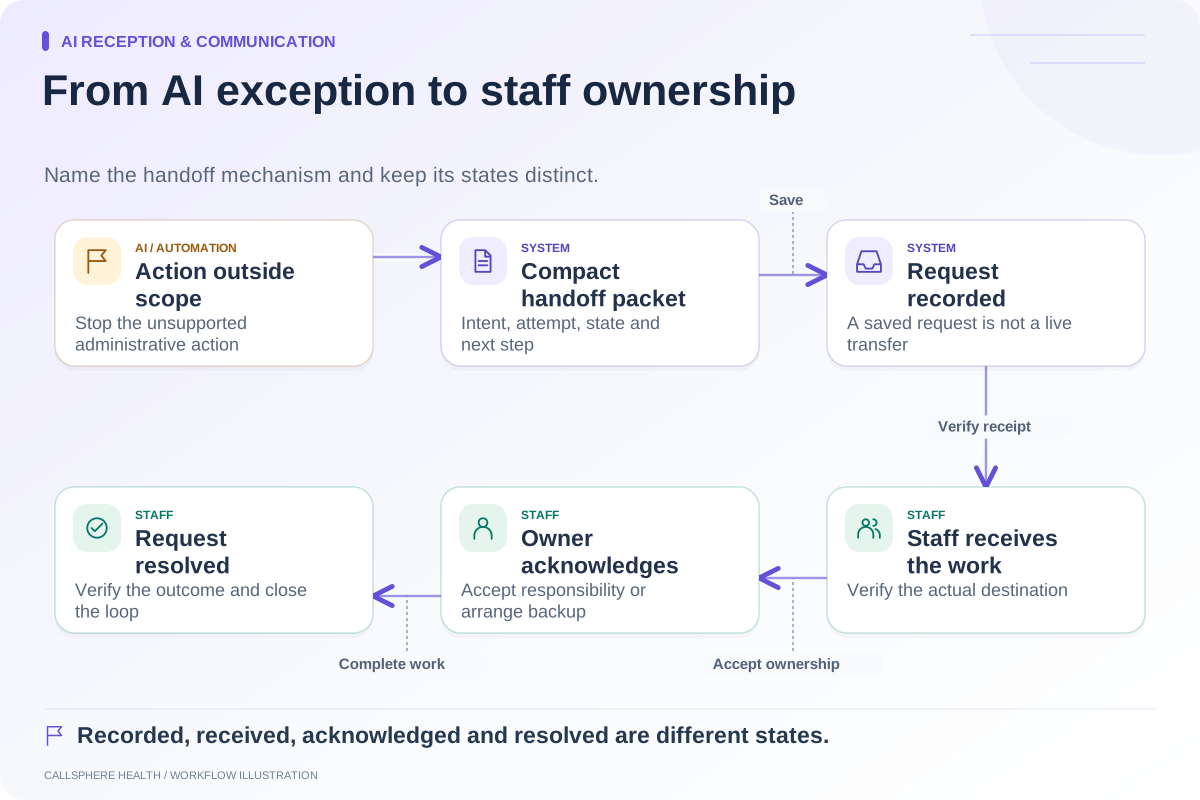
Design an AI receptionist handoff with clear triggers, callback details, ownership, status, and staff acknowledgement without assuming a live transfer.
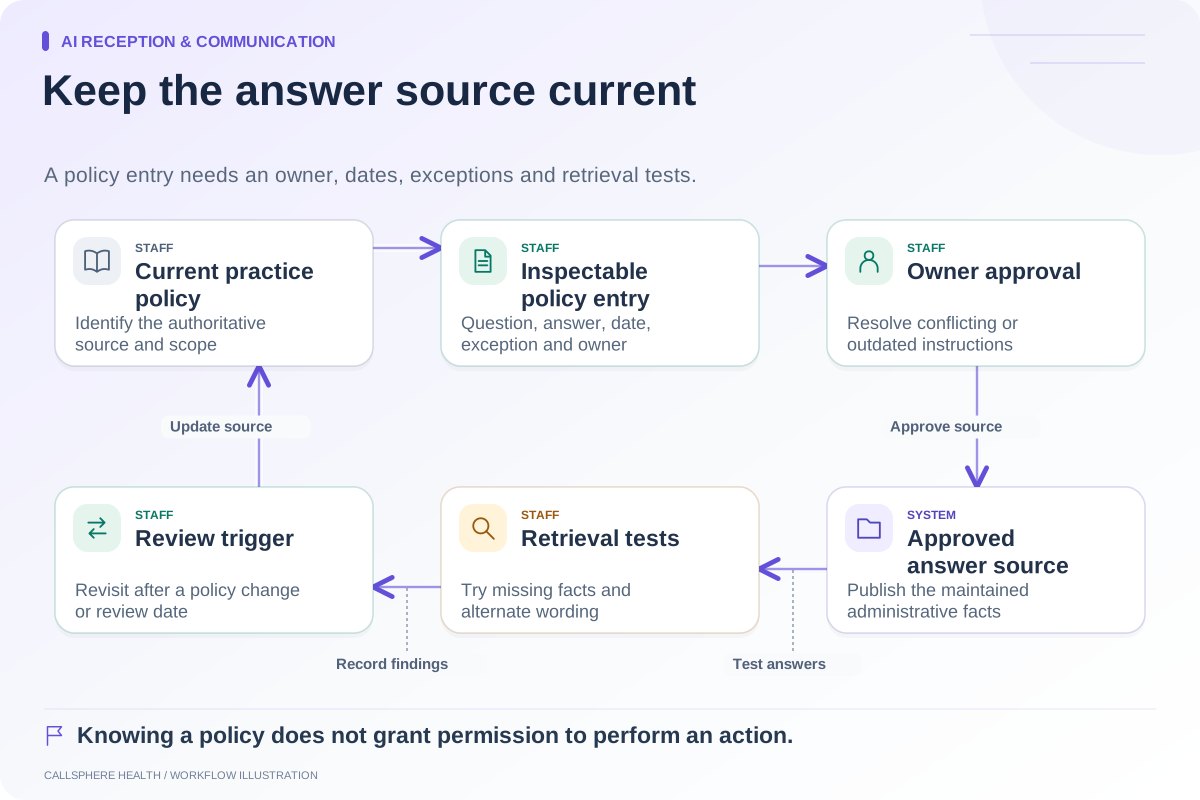
Use a practical policy-entry template to keep AI receptionist answers current, consistent and limited to approved administrative information.
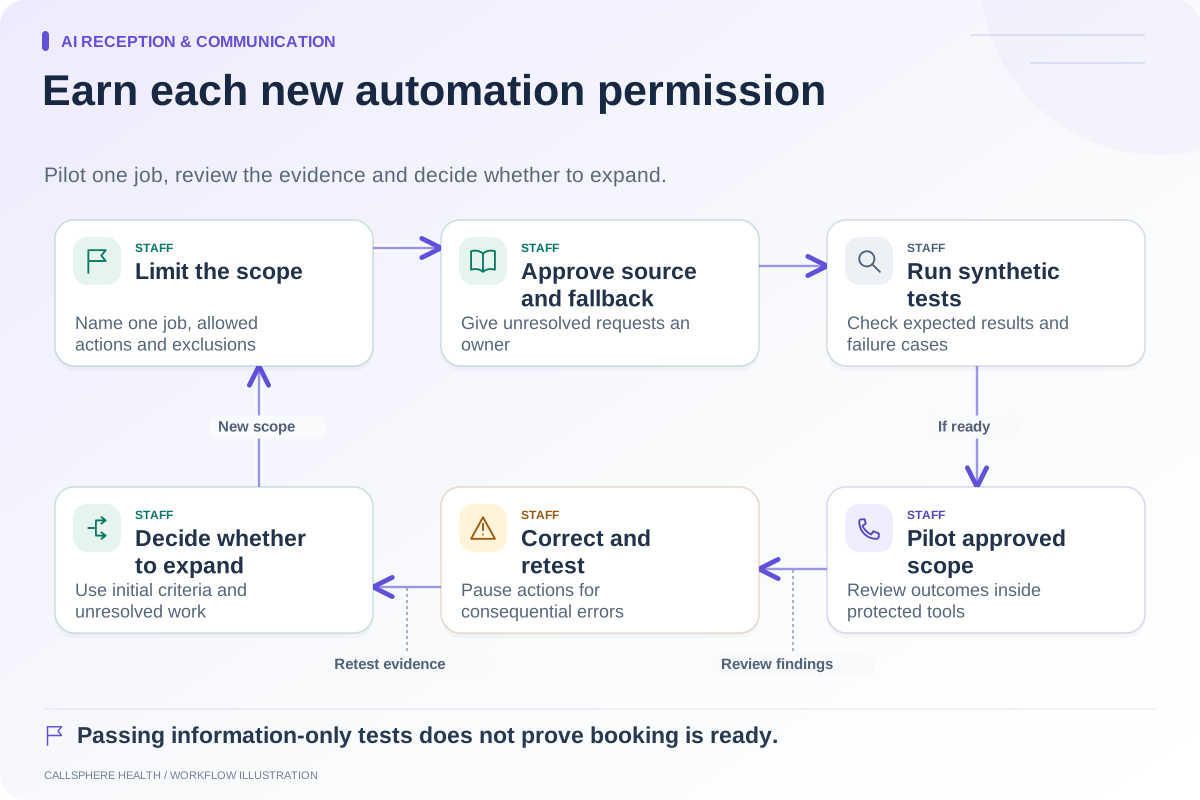
Plan a limited AI receptionist pilot with synthetic tests, clear staff ownership, stop criteria and a practical decision about expanding the workflow.
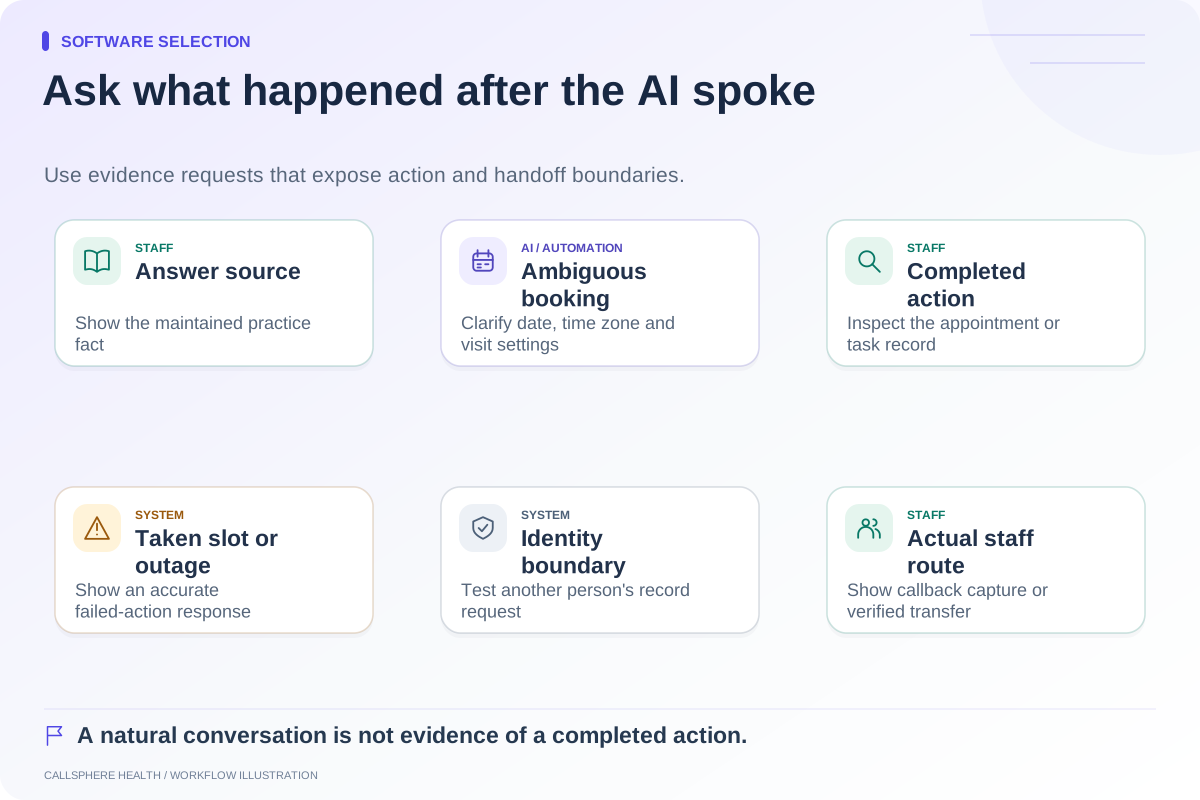
Use practical AI receptionist demo questions to verify answers, bookings, identity checks, callback requests, failures, and staff responsibilities.
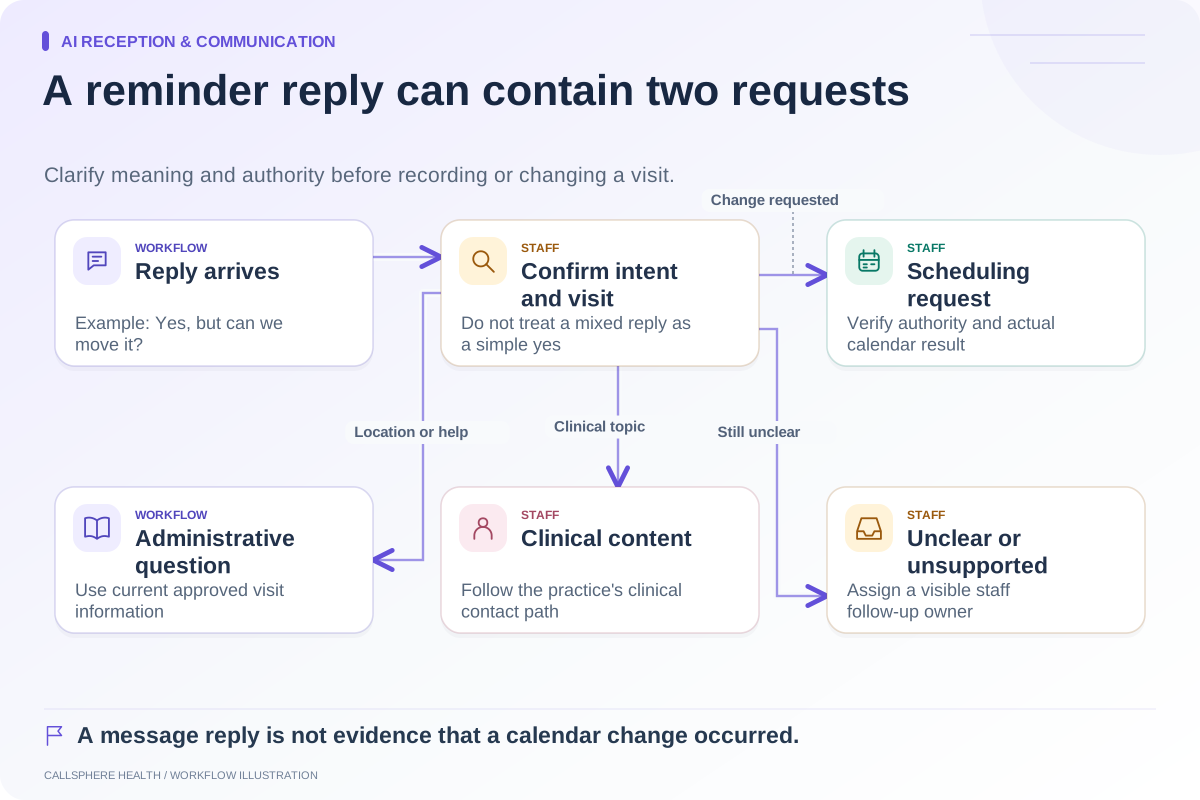
Map appointment reminder replies to confirmation, cancellation, questions or staff review, and verify what happens beyond message delivery.
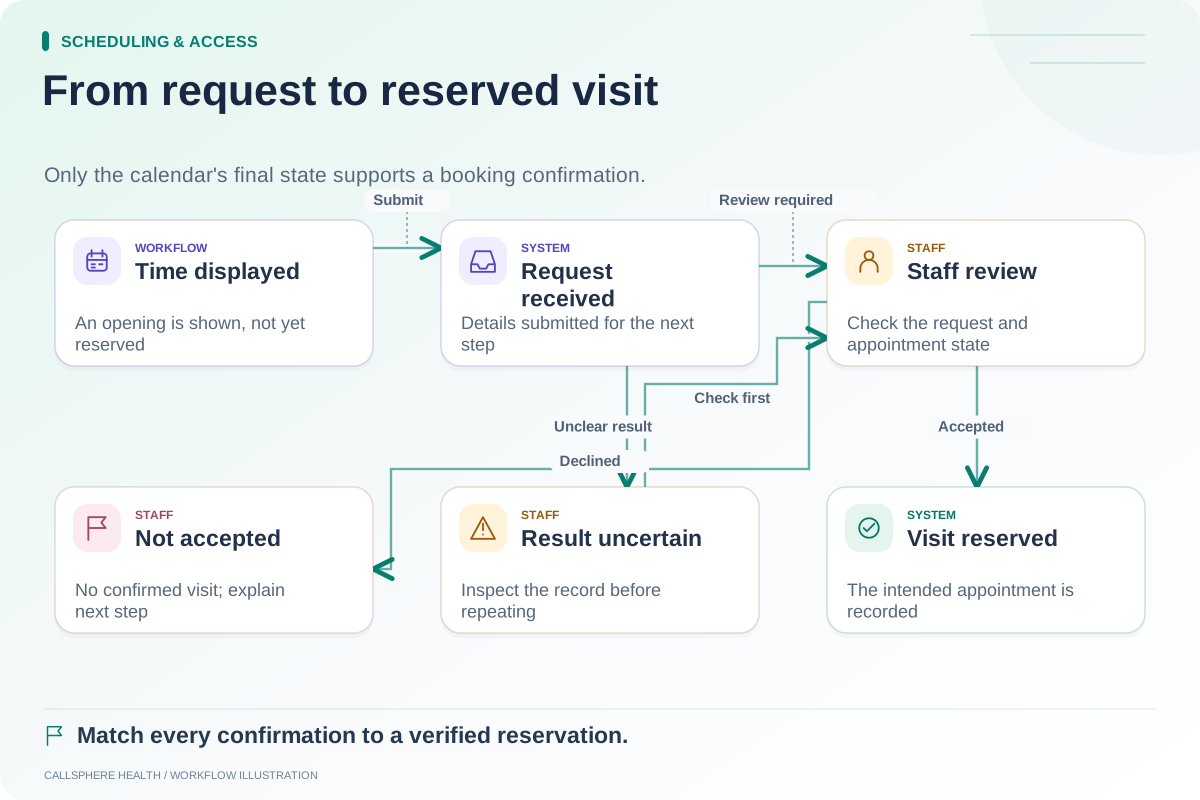
Use clear appointment states and confirmation wording so website visitors understand when they have requested a visit and when a slot is reserved.
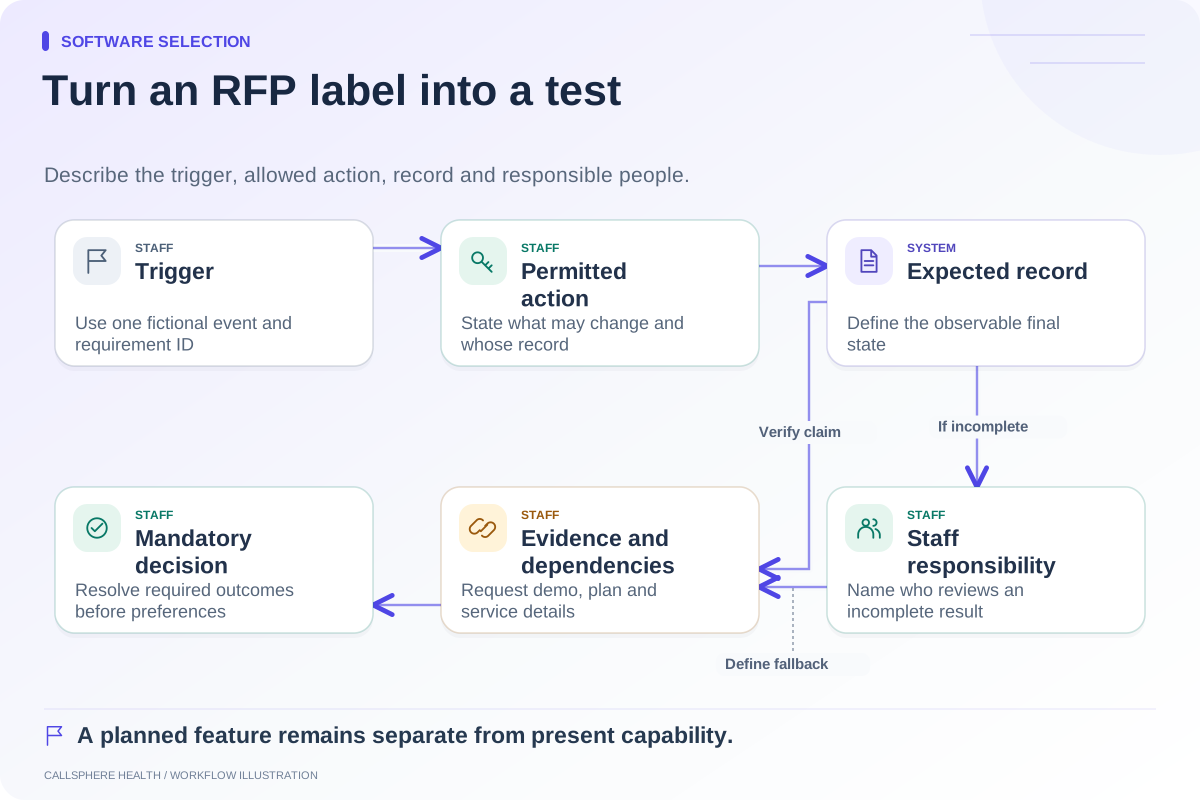
Create a behavioral health software RFP with testable requirements, evidence requests, staff responsibilities, and a practical evaluation process.
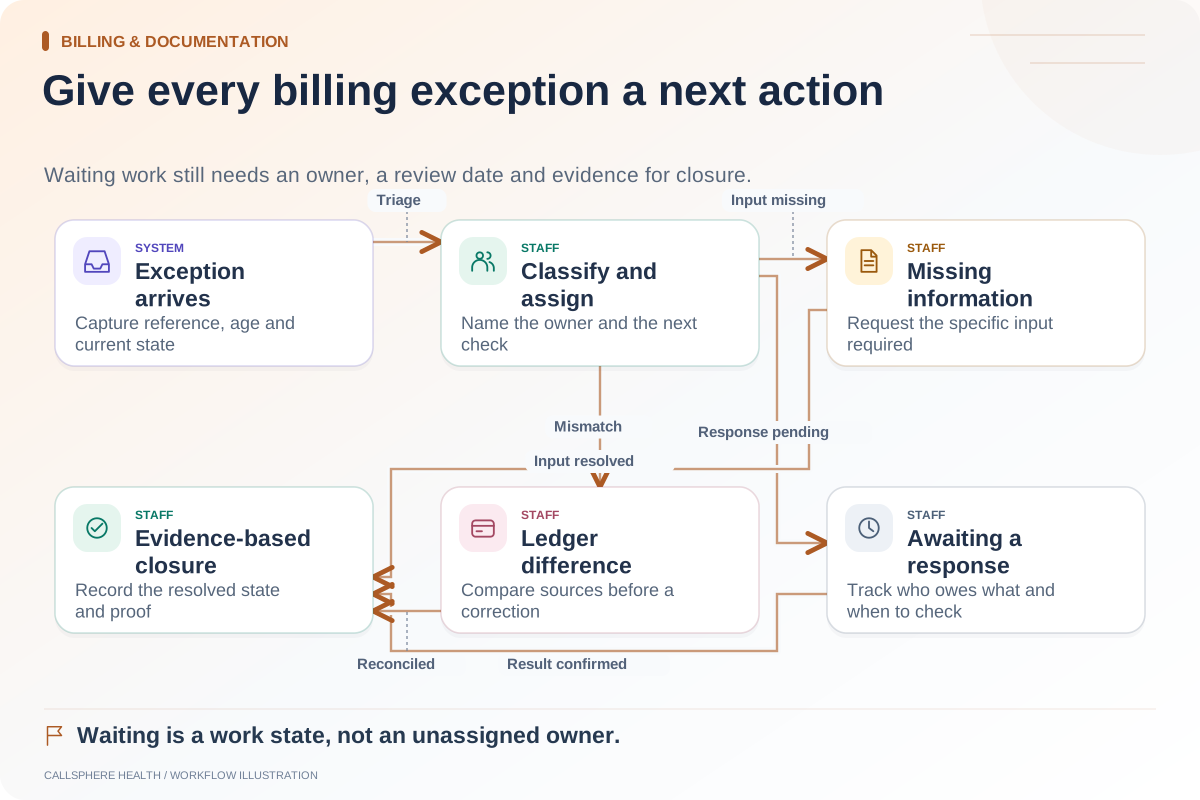
Organize billing exceptions by owner, missing next action and aging, with separate states for investigation, waiting, correction and reconciliation.
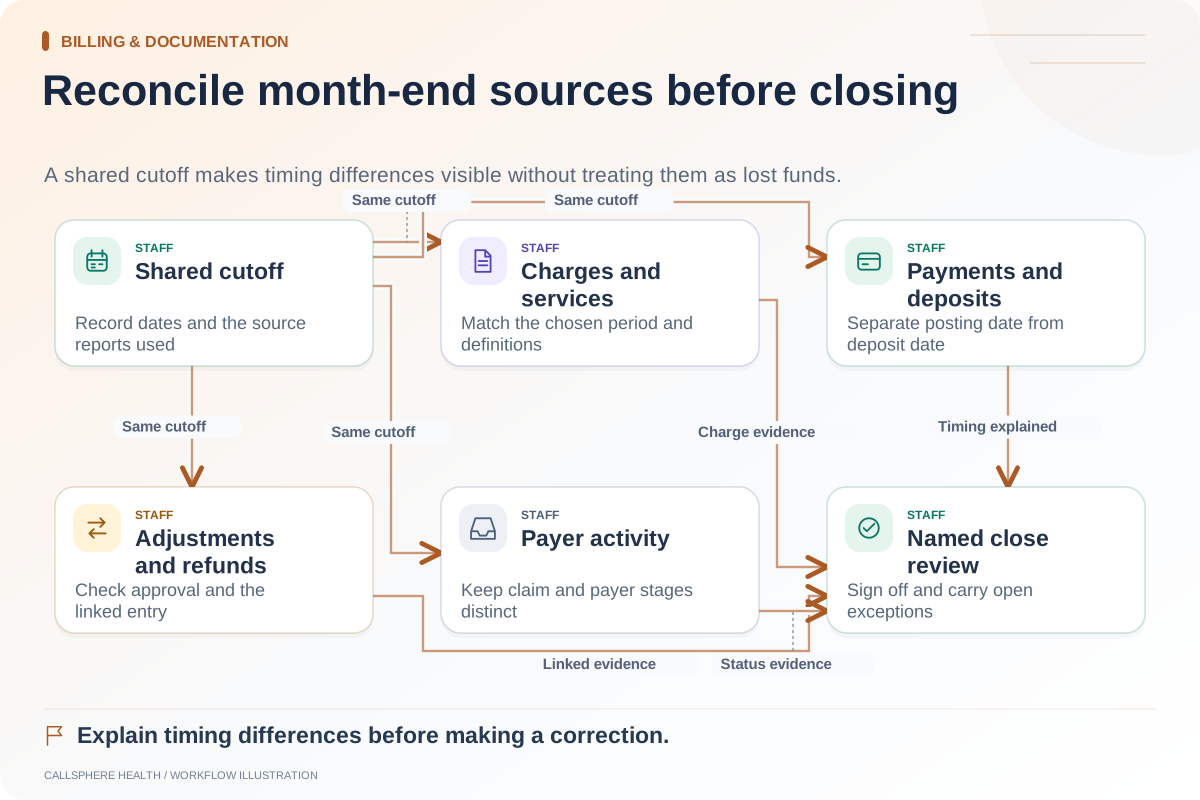
Reconcile therapy practice billing at month end with separate checks for invoices, payments, adjustments and unresolved differences.
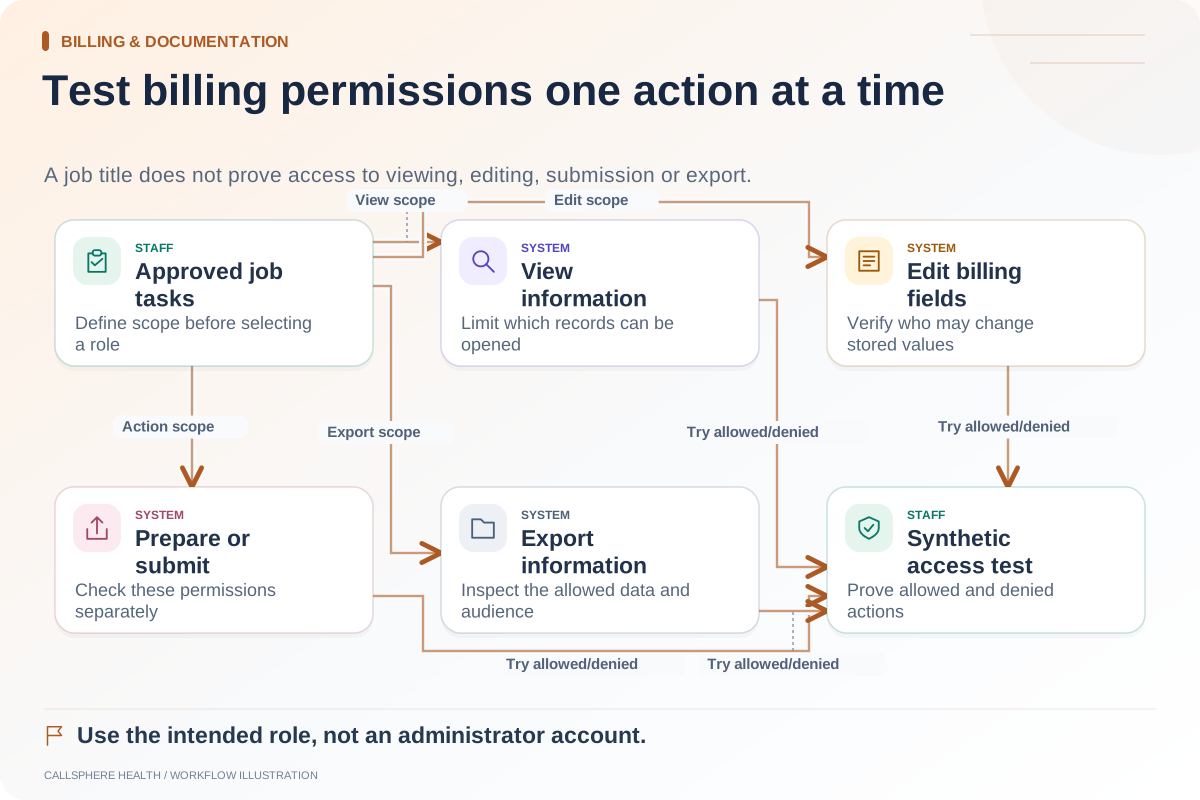
Evaluate billing permissions with a role-task worksheet and synthetic access tests that distinguish viewing, editing, submitting and exporting information.
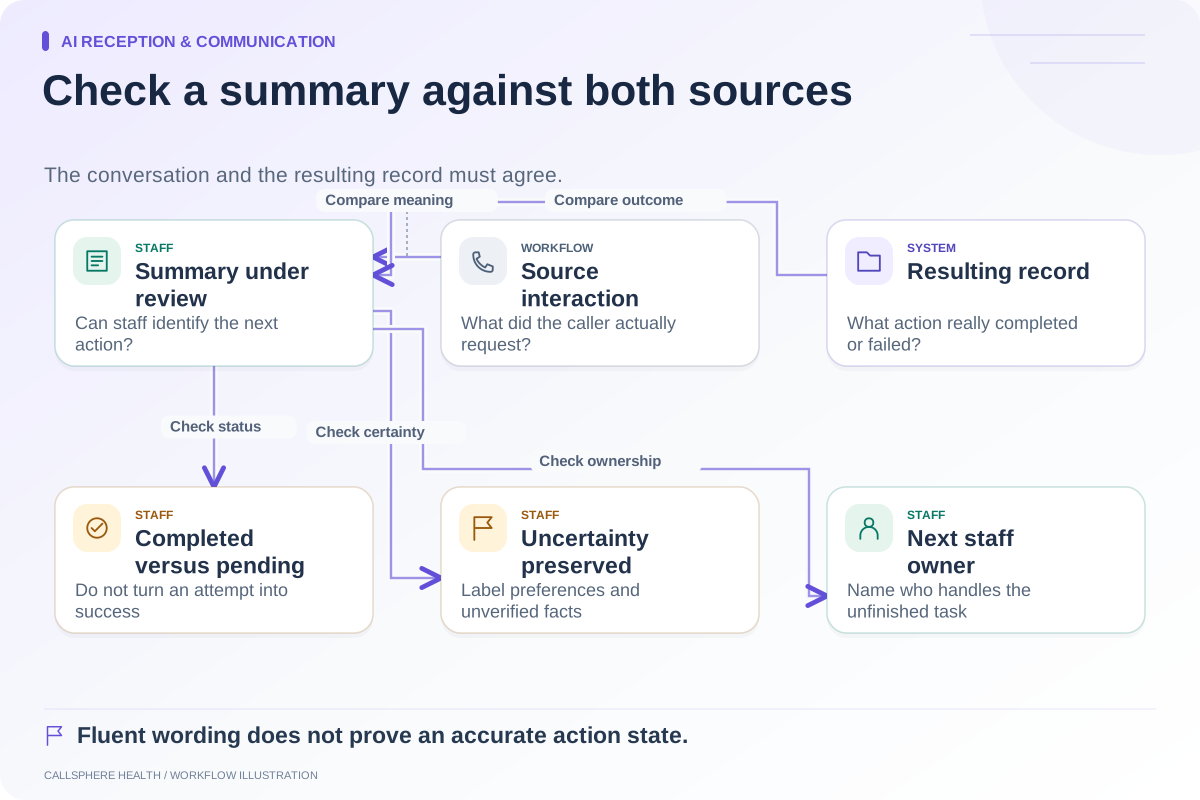
Review administrative call summaries for accurate intent, completed actions, pending work, uncertainty, and staff ownership using a practical rubric.
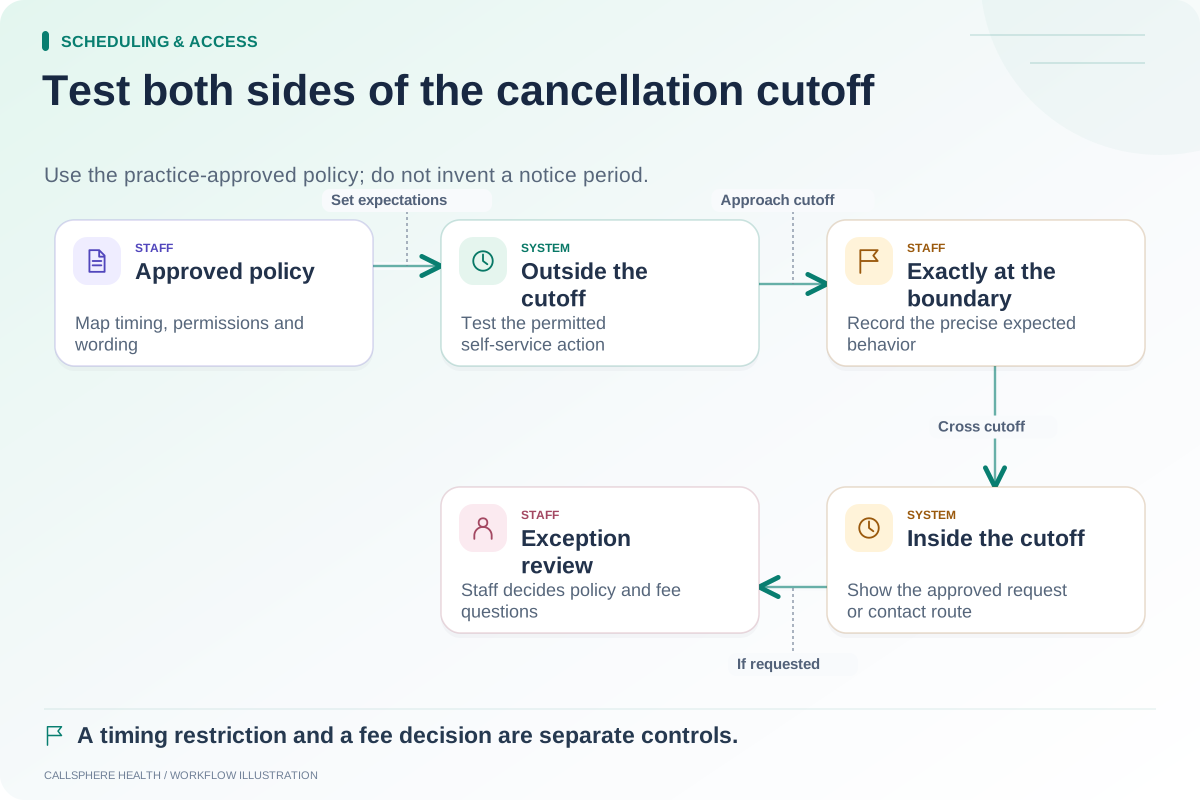
Map an approved cancellation policy to booking permissions, timing boundaries, messages and staff review without letting software defaults define the policy.
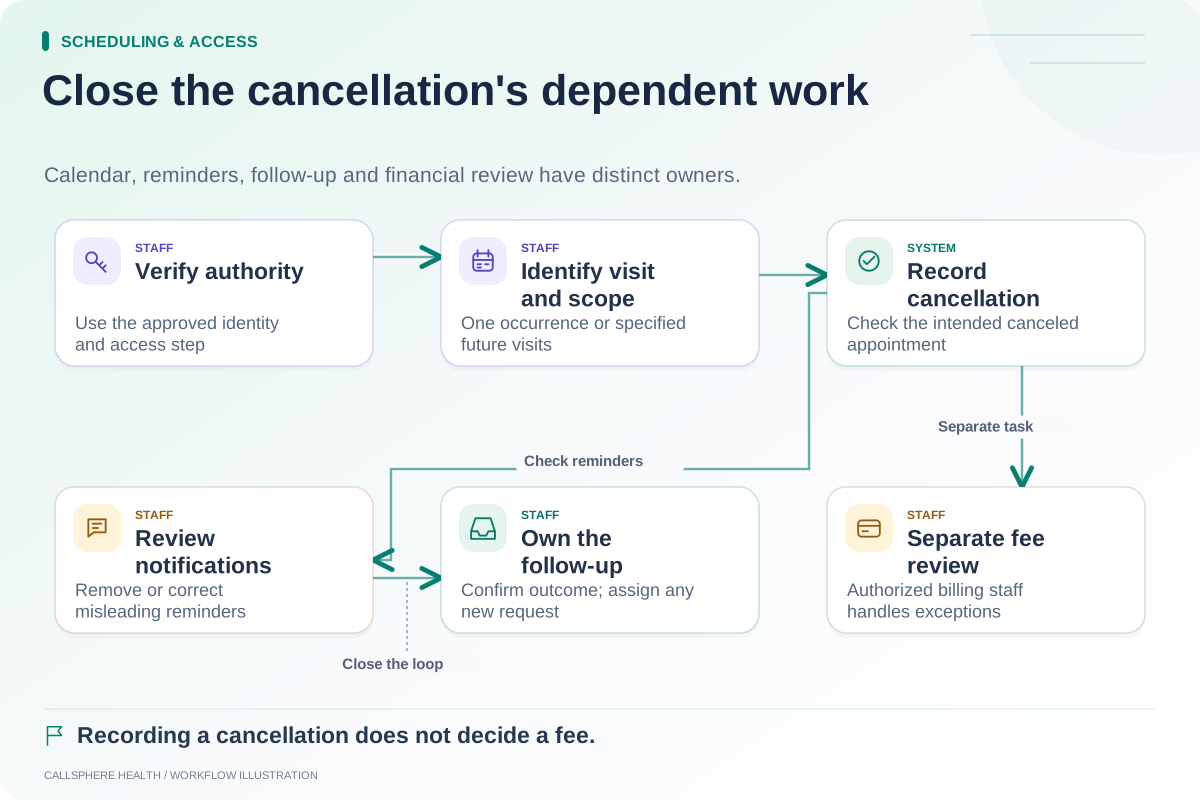
A practical cancellation checklist covering identity, appointment state, reminders, waitlist handling, staff review and confirmation of the outcome.
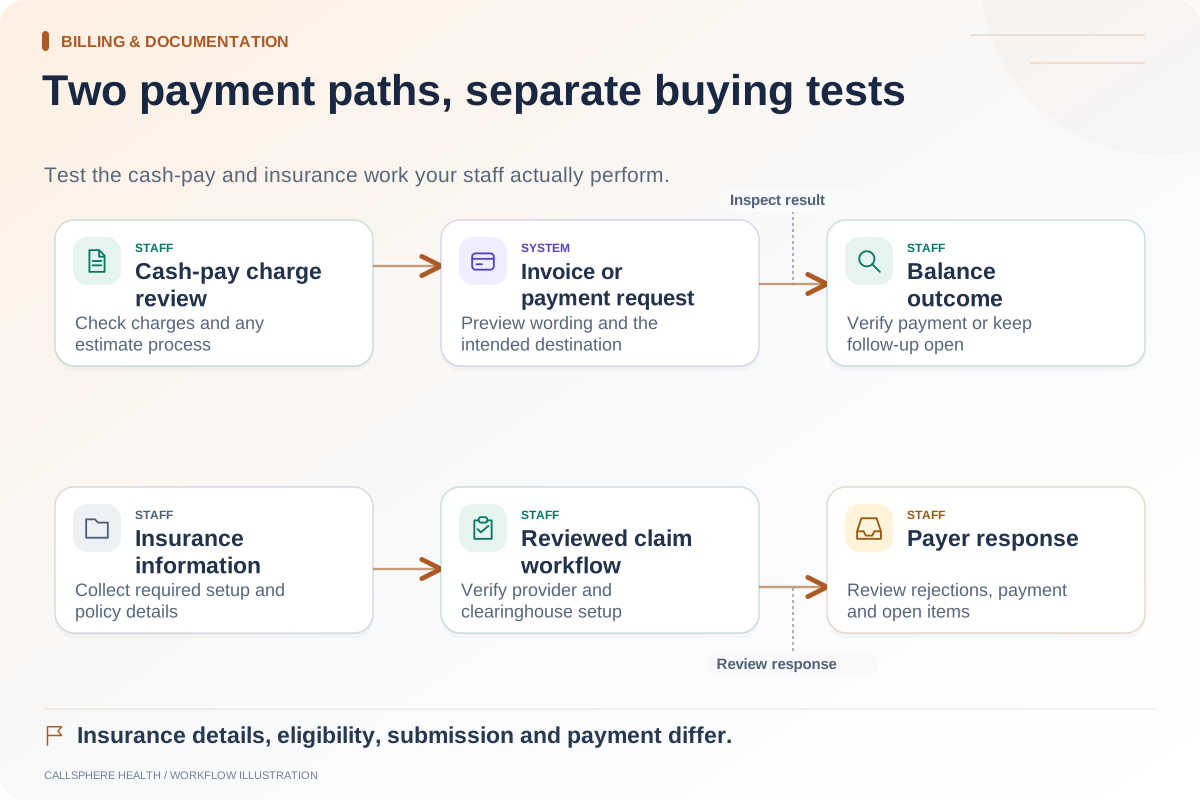
Compare EHR buying priorities for cash-pay and insurance therapy practices using distinct payment workflows, staff tasks, and vendor demo tests.
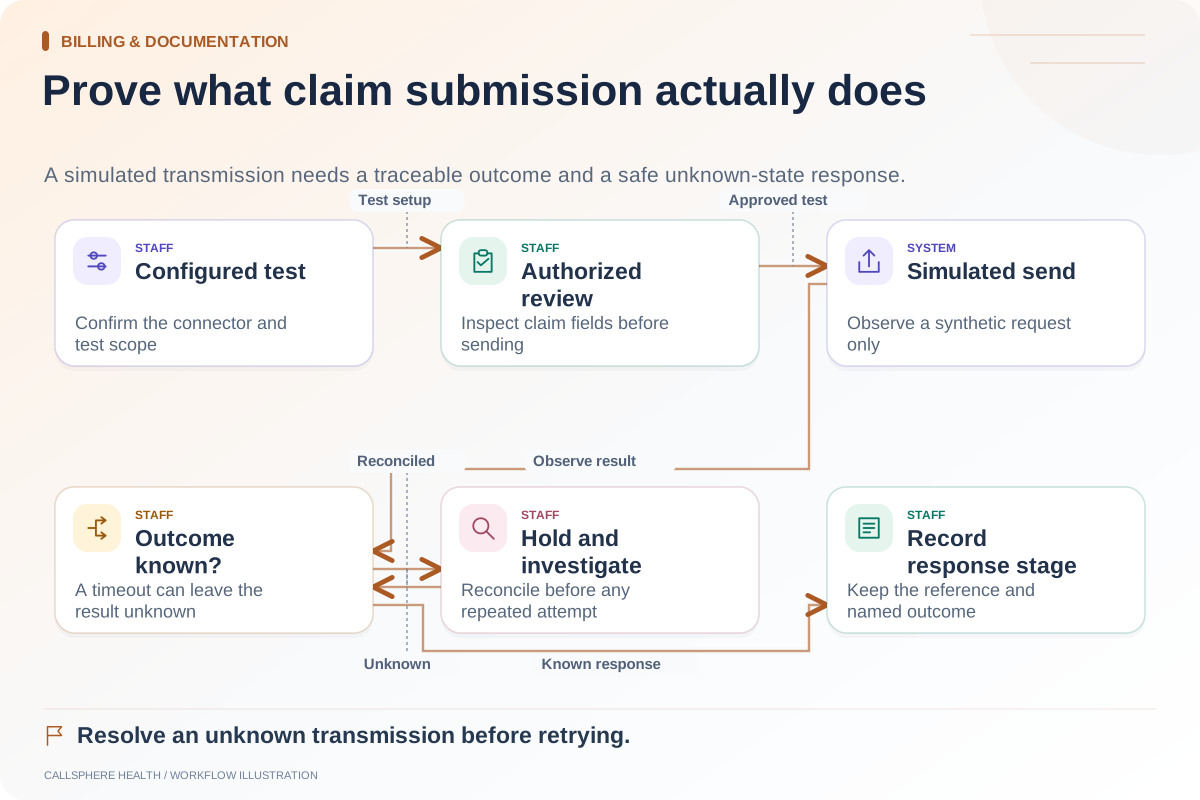
Use a claim-submission demonstration script to verify setup, review, transmission, rejection handling and unresolved status before choosing an EHR.
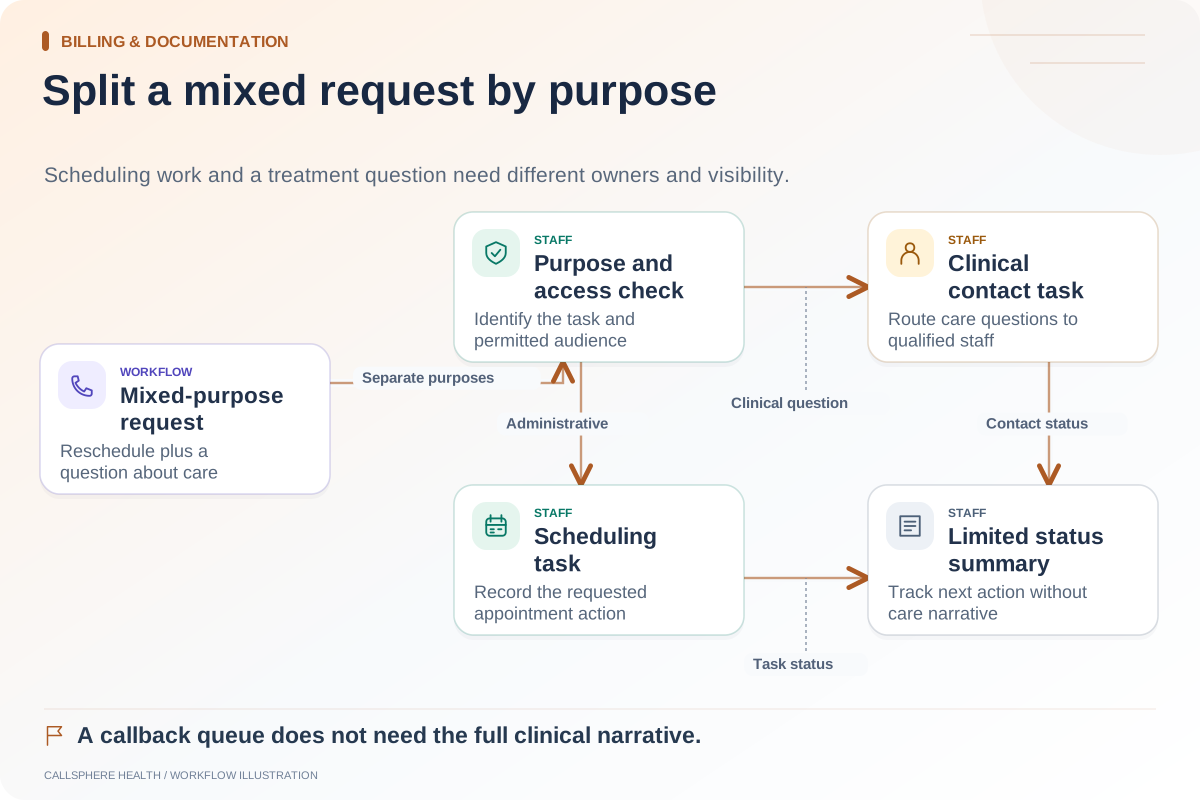
Separate clinical documentation from administrative contact notes so therapy teams record useful handoffs without mixing ownership or access.
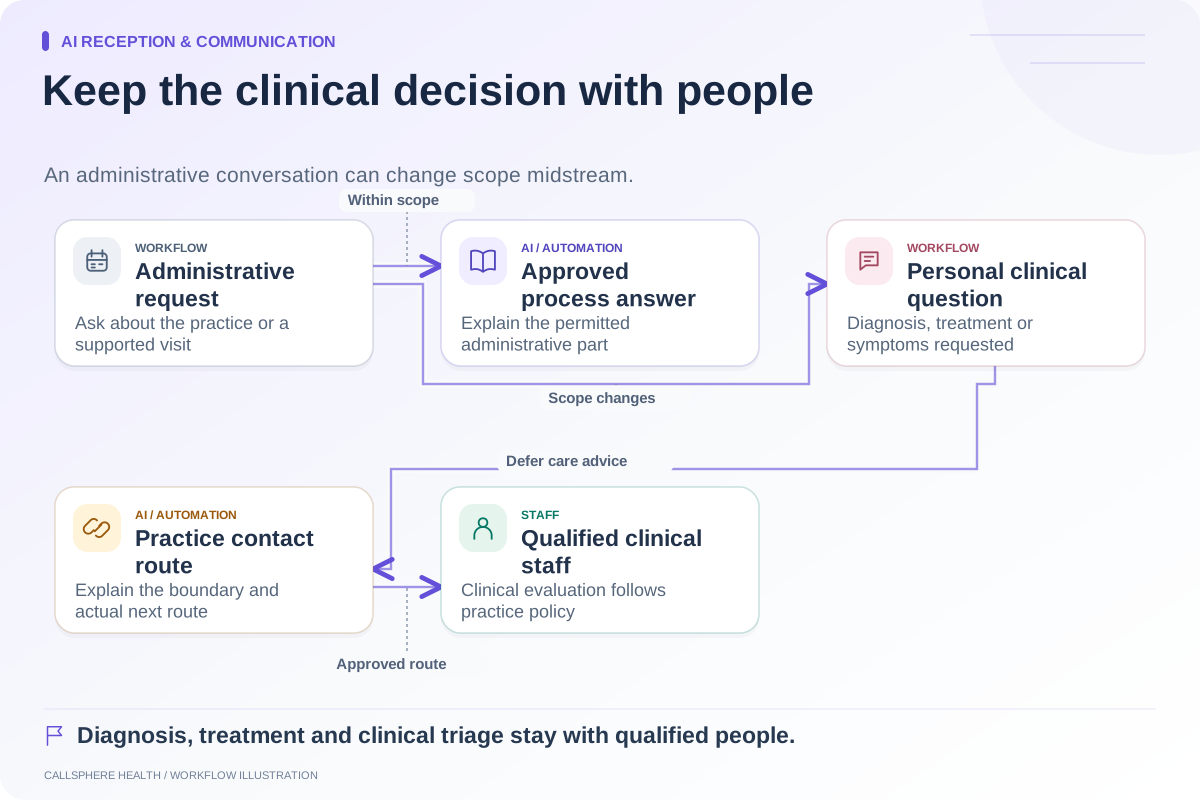
Set clear boundaries for clinical questions in an AI front-desk workflow, with examples of administrative answers, staff routing, and safe test cases.
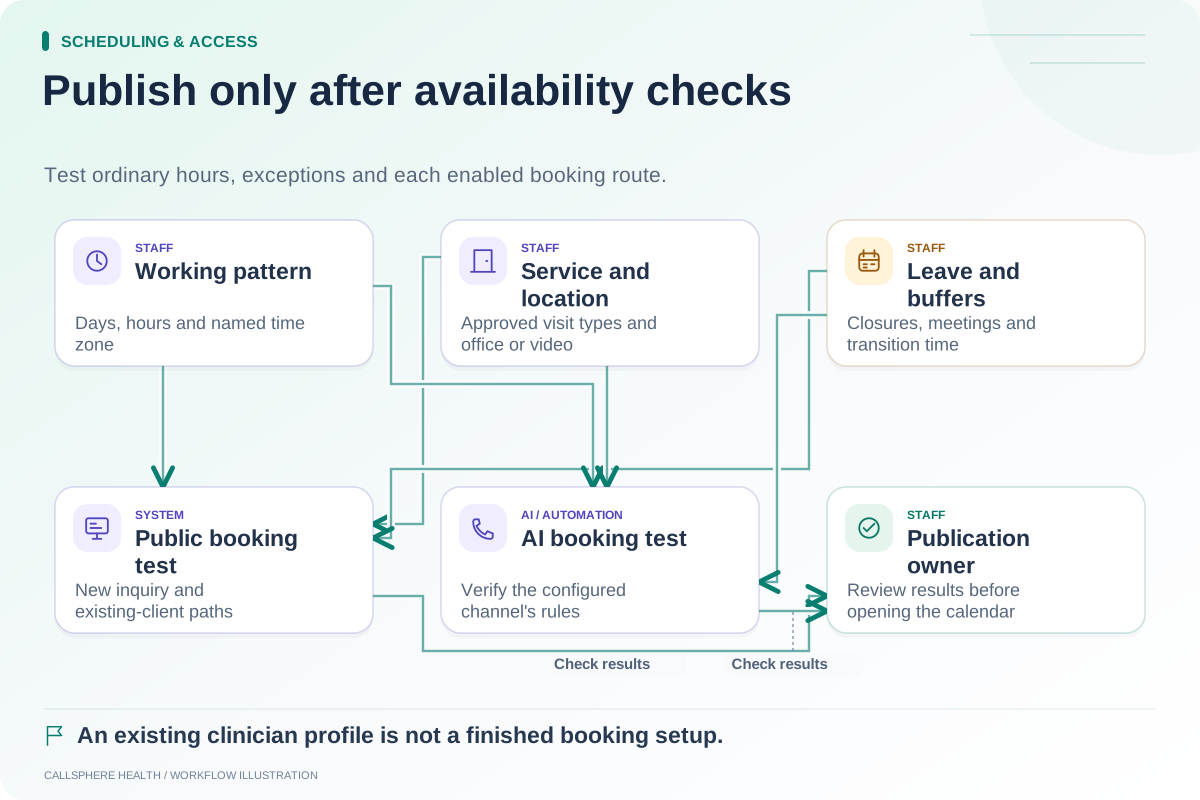
Prepare a clinician calendar for online booking with working hours, visit types, leave, buffers, location rules and a clear publication check.