Workflow · reduced motion
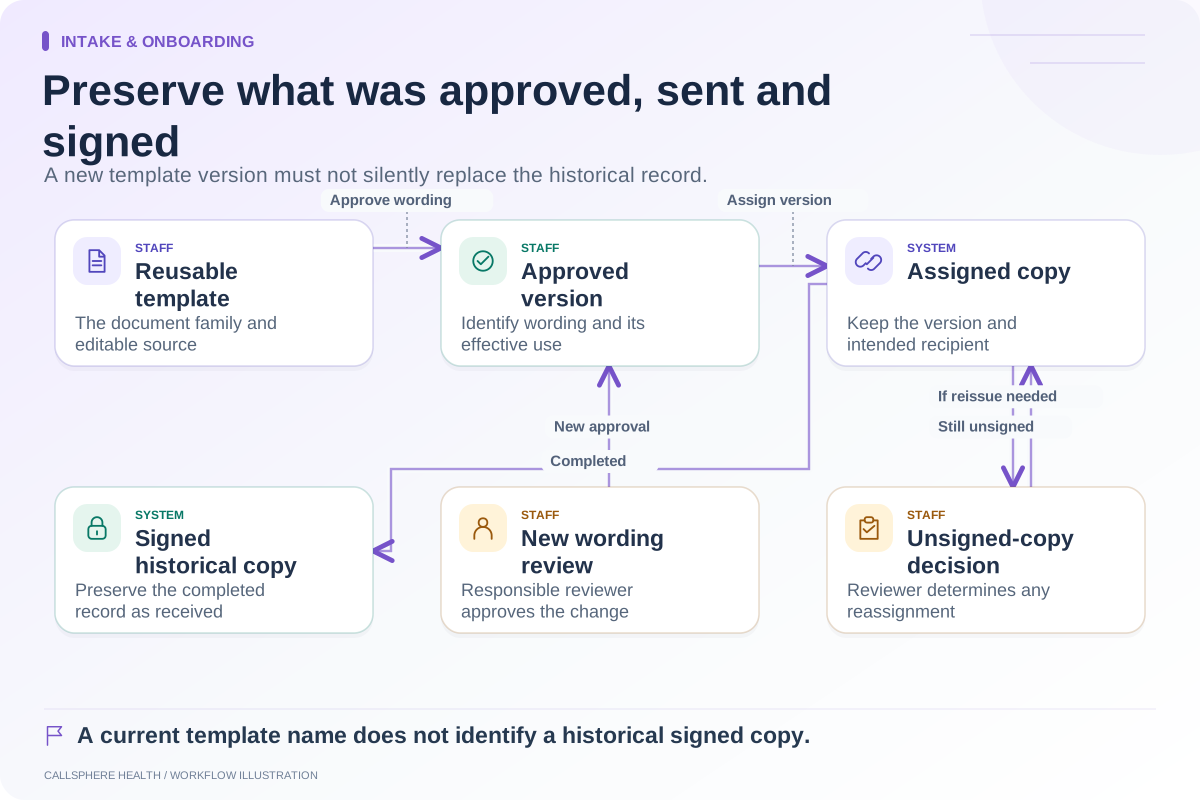
Track consent form versions during patient onboarding
Create a consent-document version register that separates approved templates, assigned copies, signed records and staff review of replacements.
4 min read
The Therapy Practice Playbook
Move from first inquiry to prepared visits with clear intake responsibilities.Practical guidance for mental and behavioral health teams navigating scheduling, intake, documentation, billing, growth and front-office workload—with responsible ways to use AI. See how CallSphere works.
15 articles in Intake & onboarding
Create a consent-document version register that separates approved templates, assigned copies, signed records and staff review of replacements.
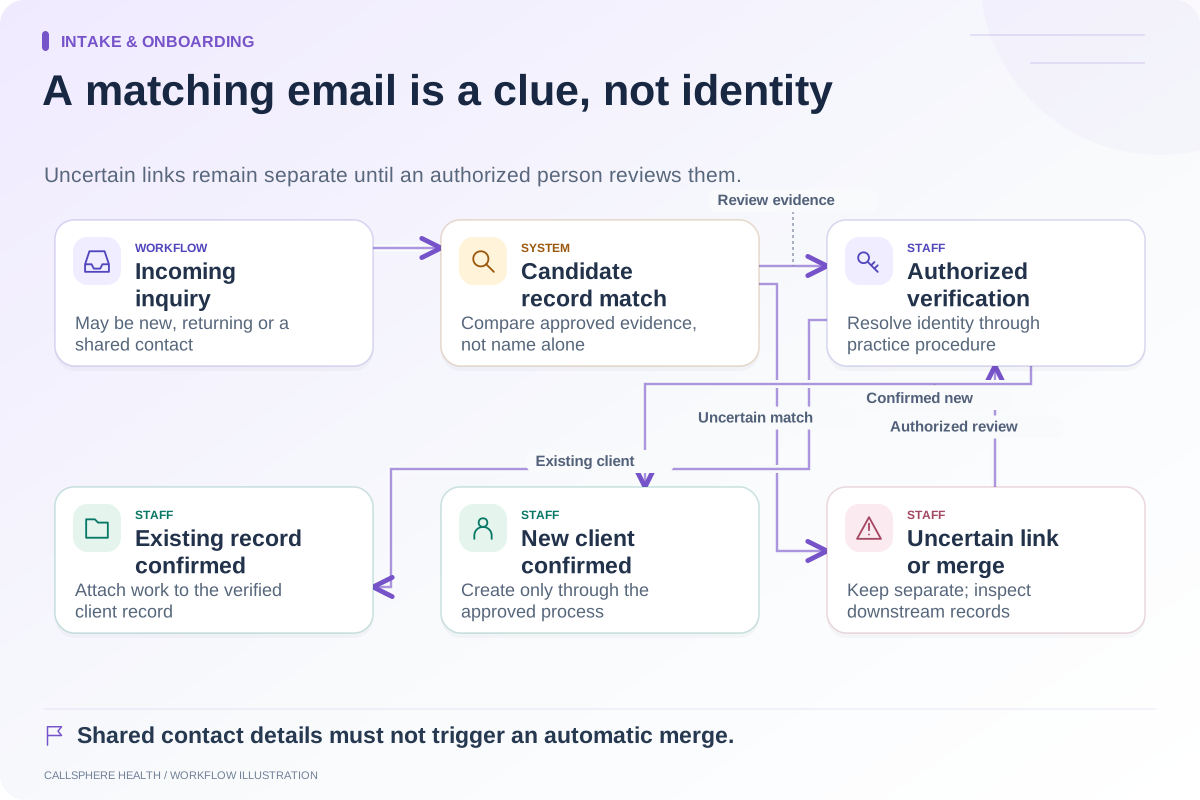
Use a record-matching checklist at intake to prevent duplicate client records, preserve uncertain matches and route merges to authorized staff.
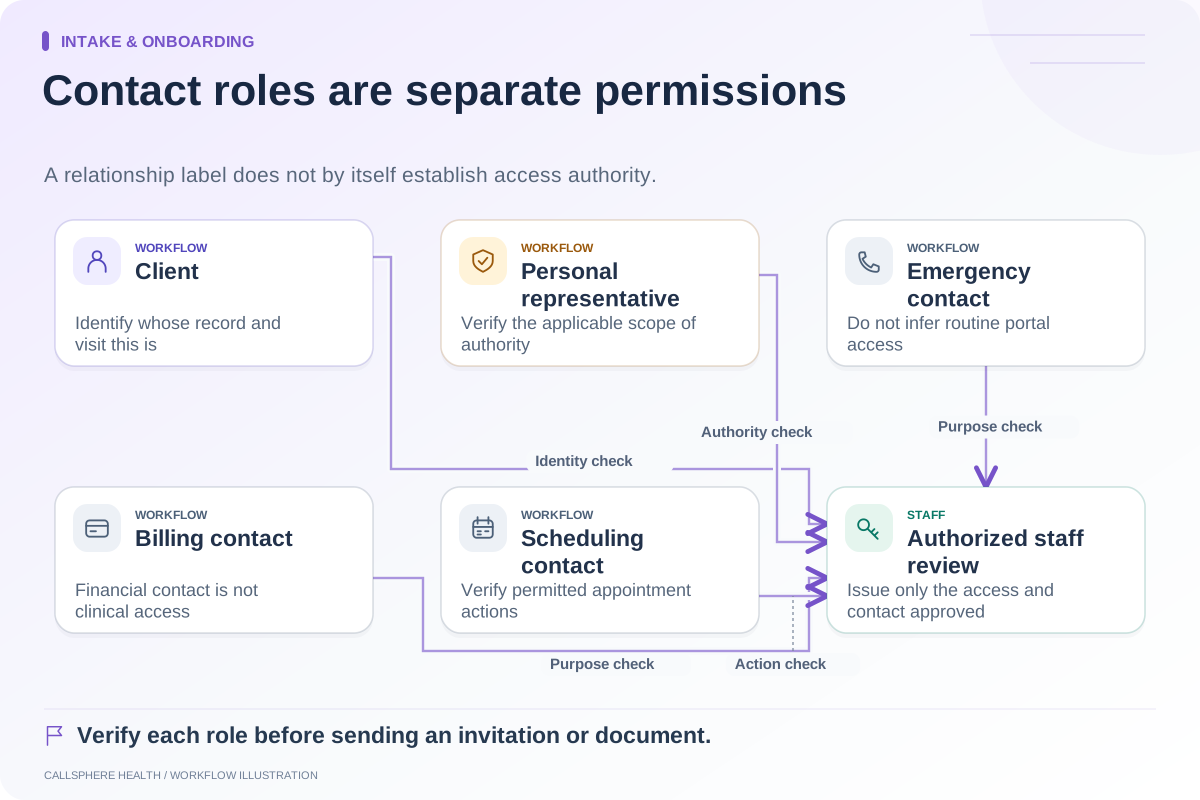
Separate guardian, emergency-contact, billing-contact and portal roles during intake, with verified authority and a staff-owned review workflow.
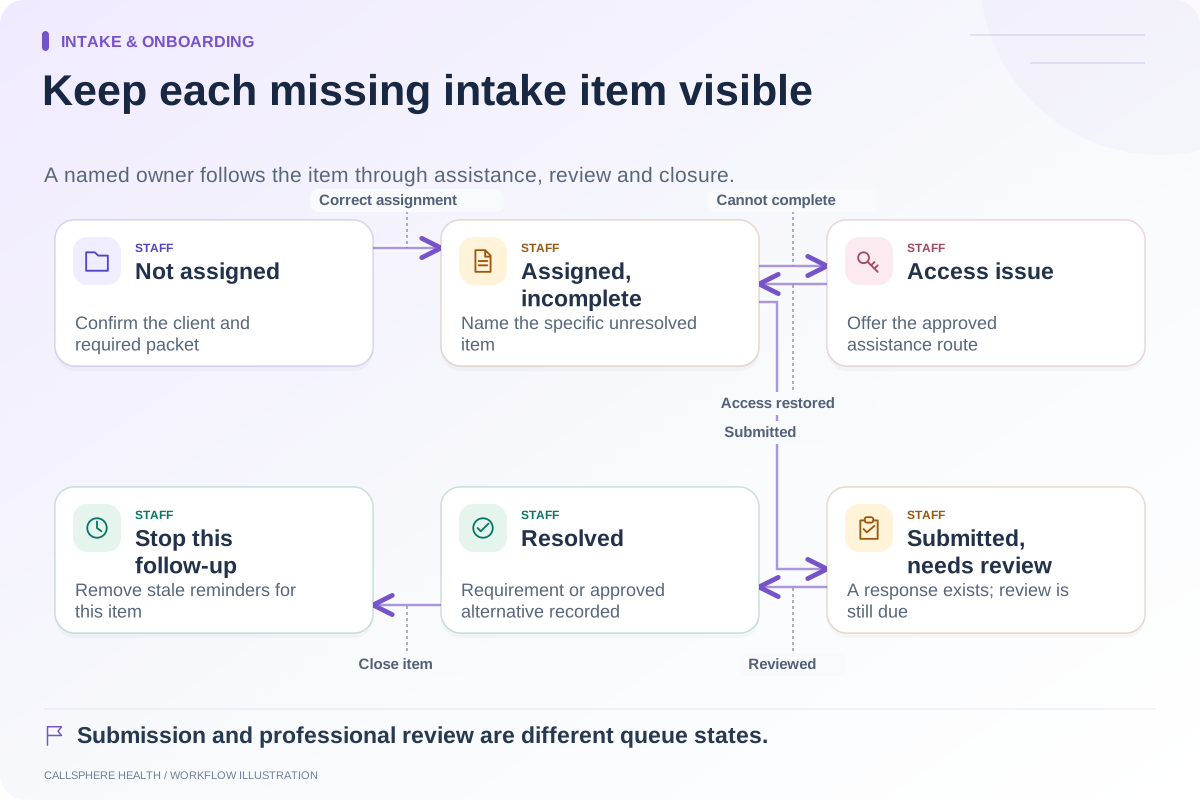
Build an incomplete-intake queue with a named owner, item-specific follow-up, clear readiness states and respectful reminder examples.
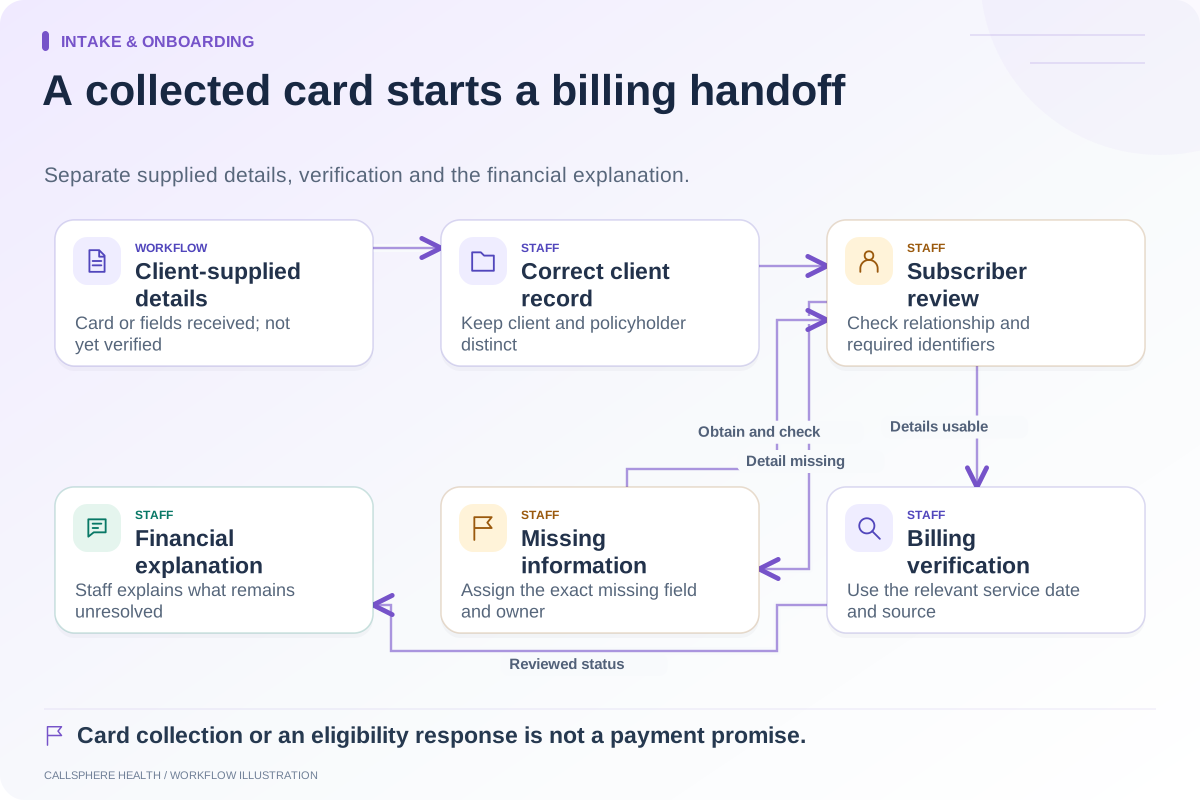
Hand insurance details from intake to billing with separate client and policyholder fields, verification states, missing-item ownership and clear limitations.
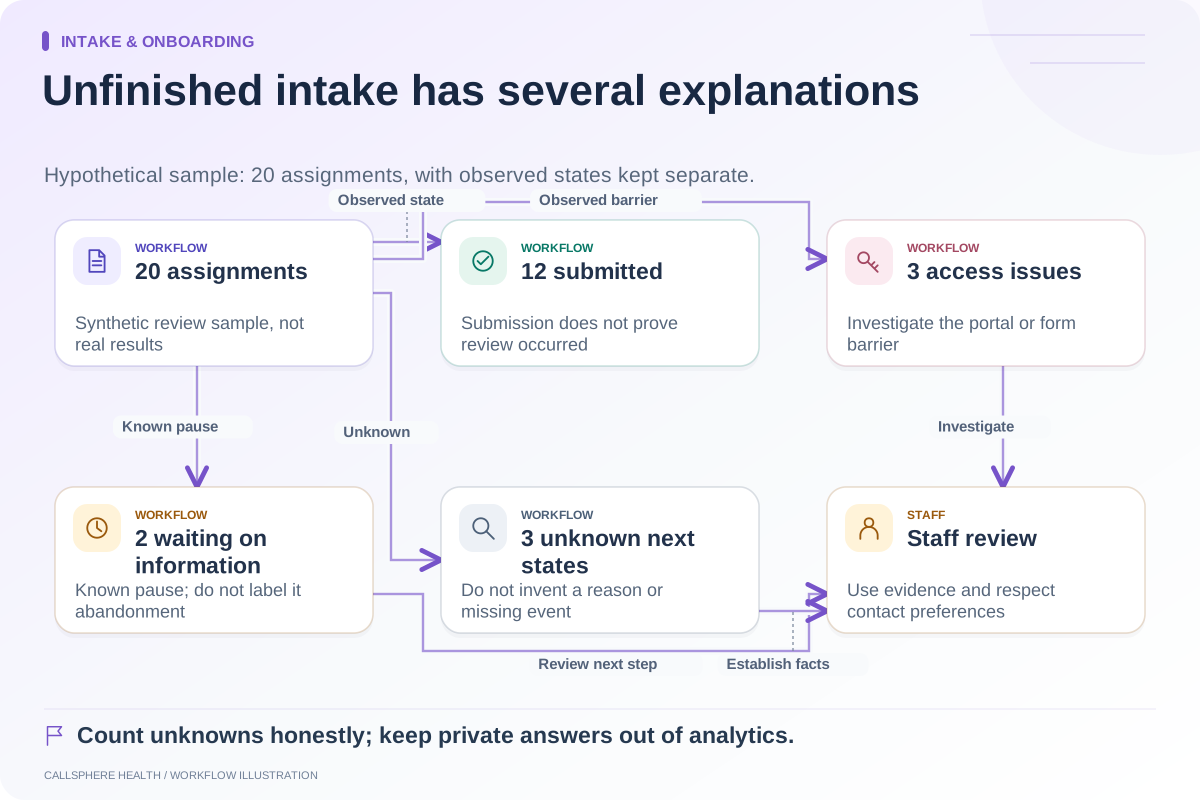
Review intake abandonment by stage, distinguish pauses from failures and use privacy-aware evidence to find unclear instructions or access barriers.
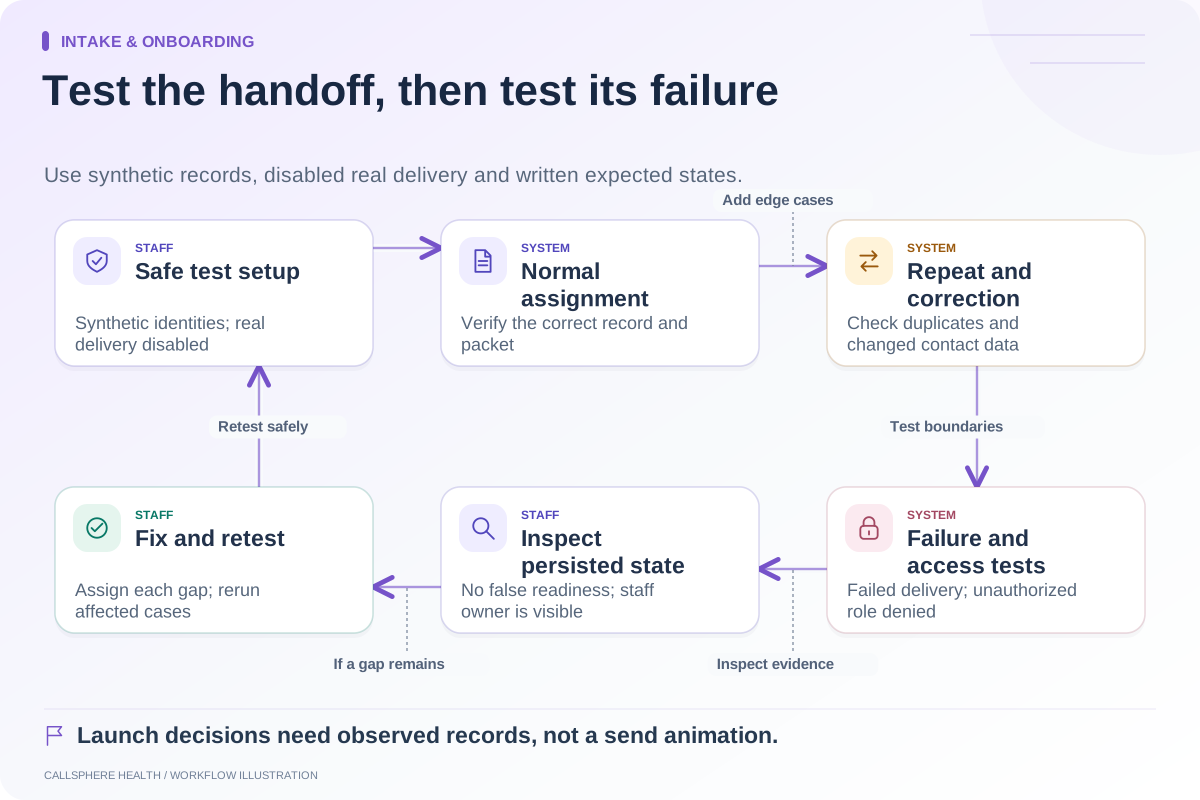
Test therapy intake automation with synthetic records, expected states and failure scenarios before relying on form assignment, reminders or staff review.
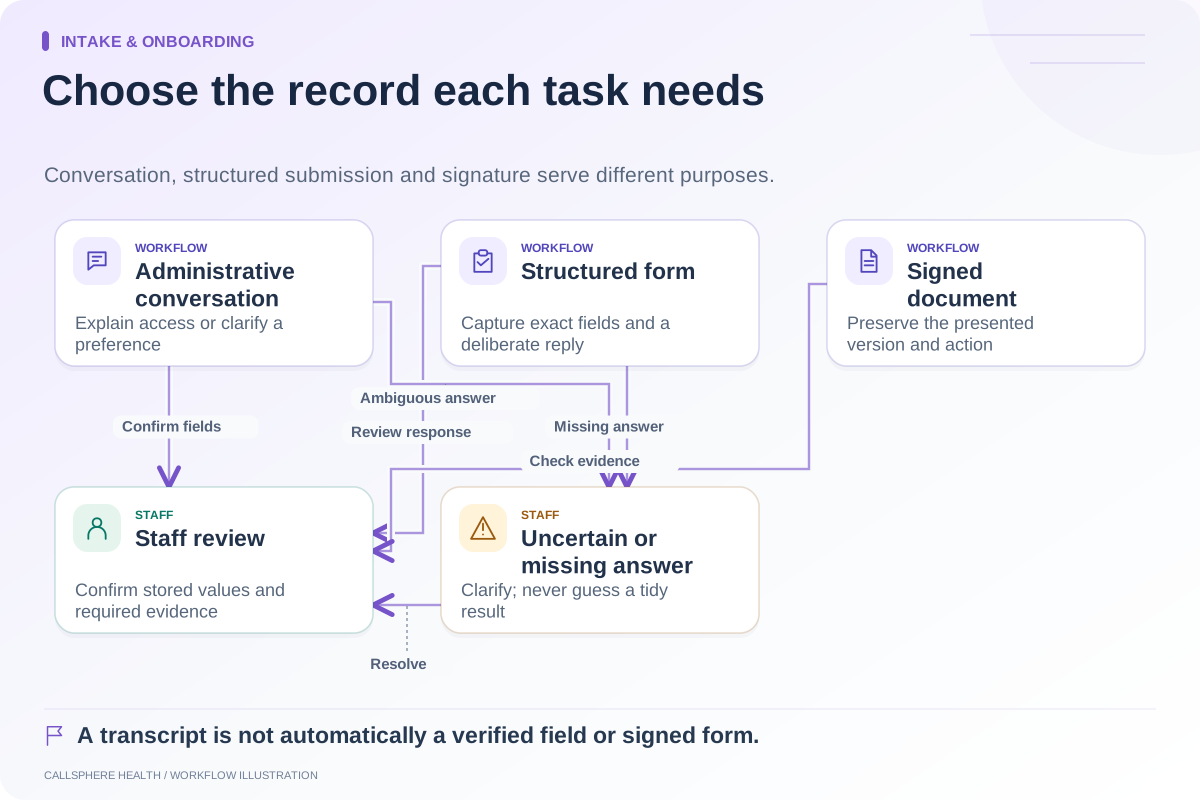
Compare structured intake forms with administrative conversations using a decision table for ambiguity, review, signatures and record quality.
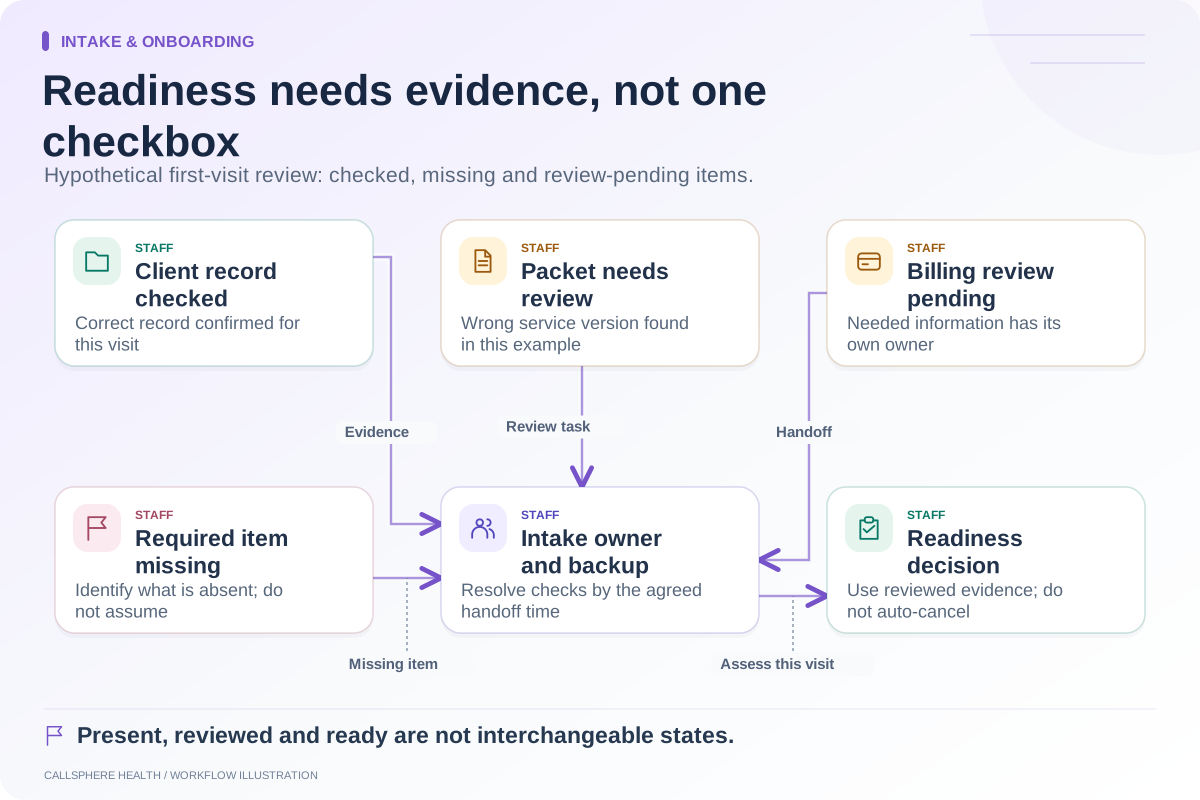
Define first-appointment intake readiness using separate complete, missing and needs-review states with a named owner for each administrative check.
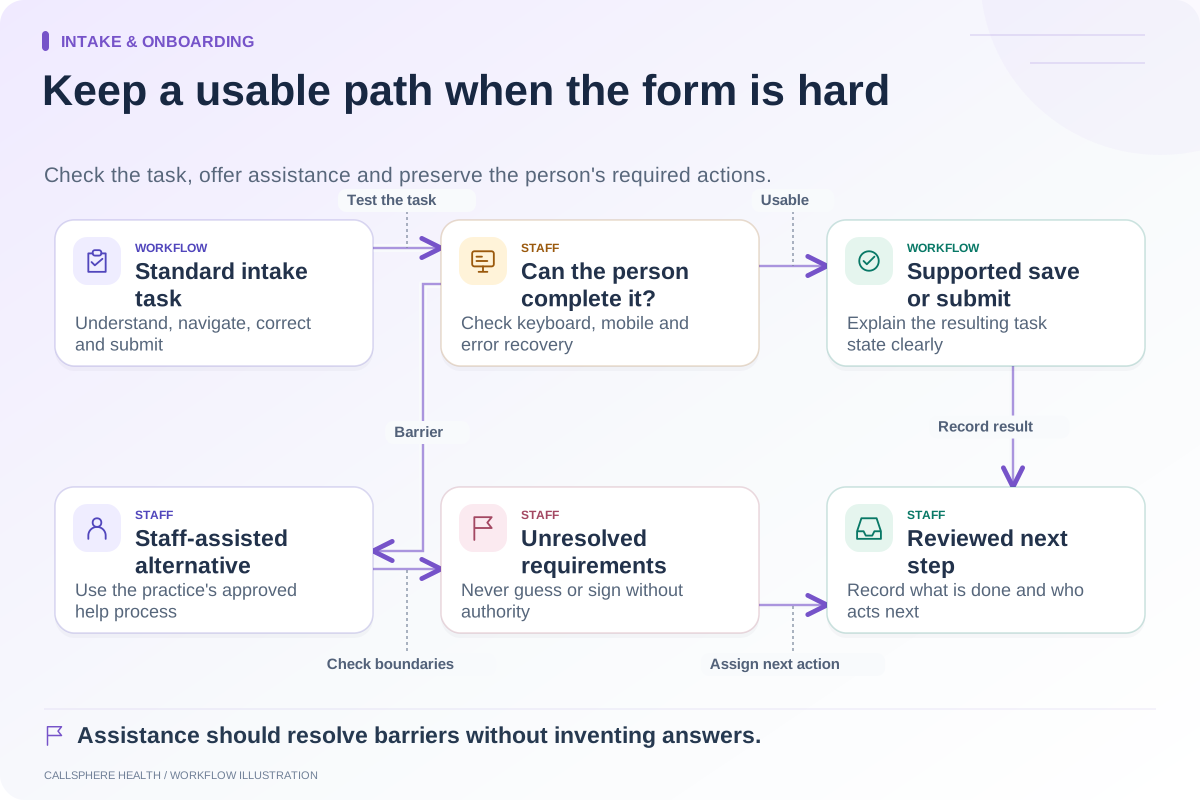
Plan accessible intake with clear instructions, keyboard and mobile checks, recoverable errors and a staff-assisted alternative when forms are difficult.
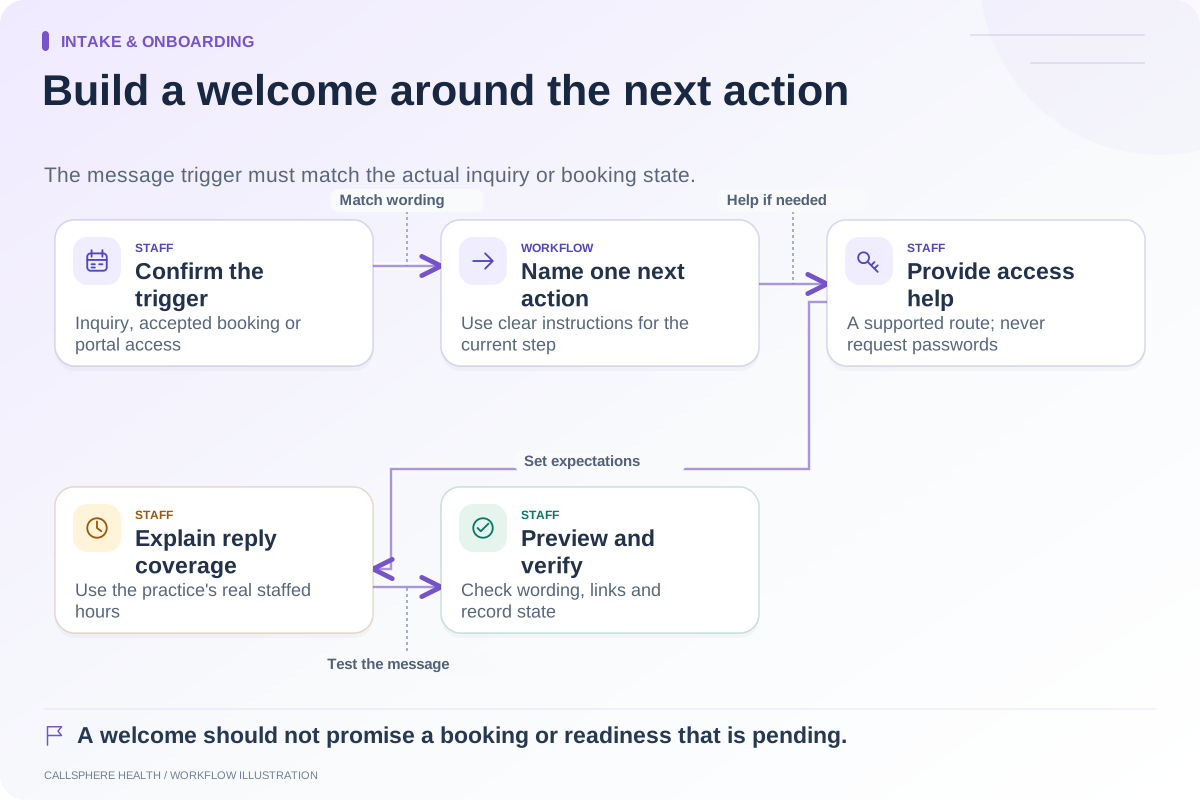
Write a new-client welcome message that explains the next action, portal help, appointment details and communication boundaries without promising completed intake.
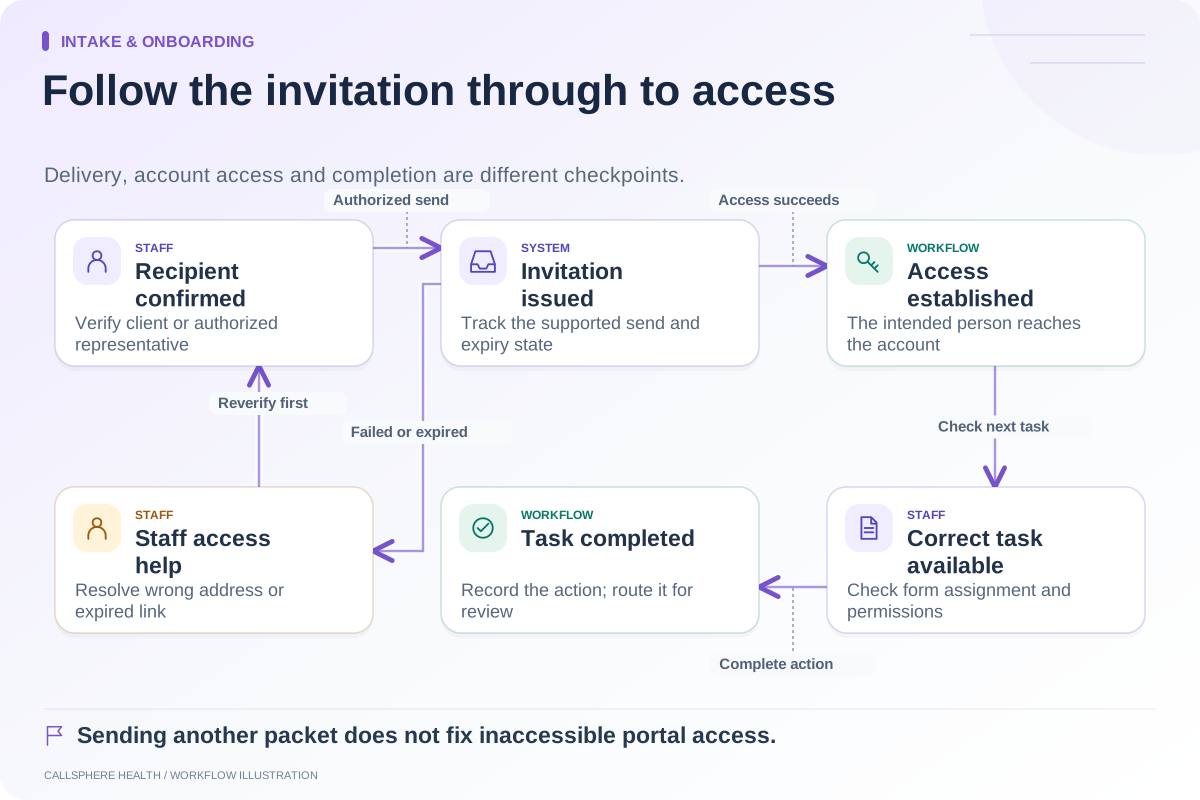
Manage patient portal invitations as a lifecycle with verified contact details, failed-delivery handling, access support and a clear completion check.
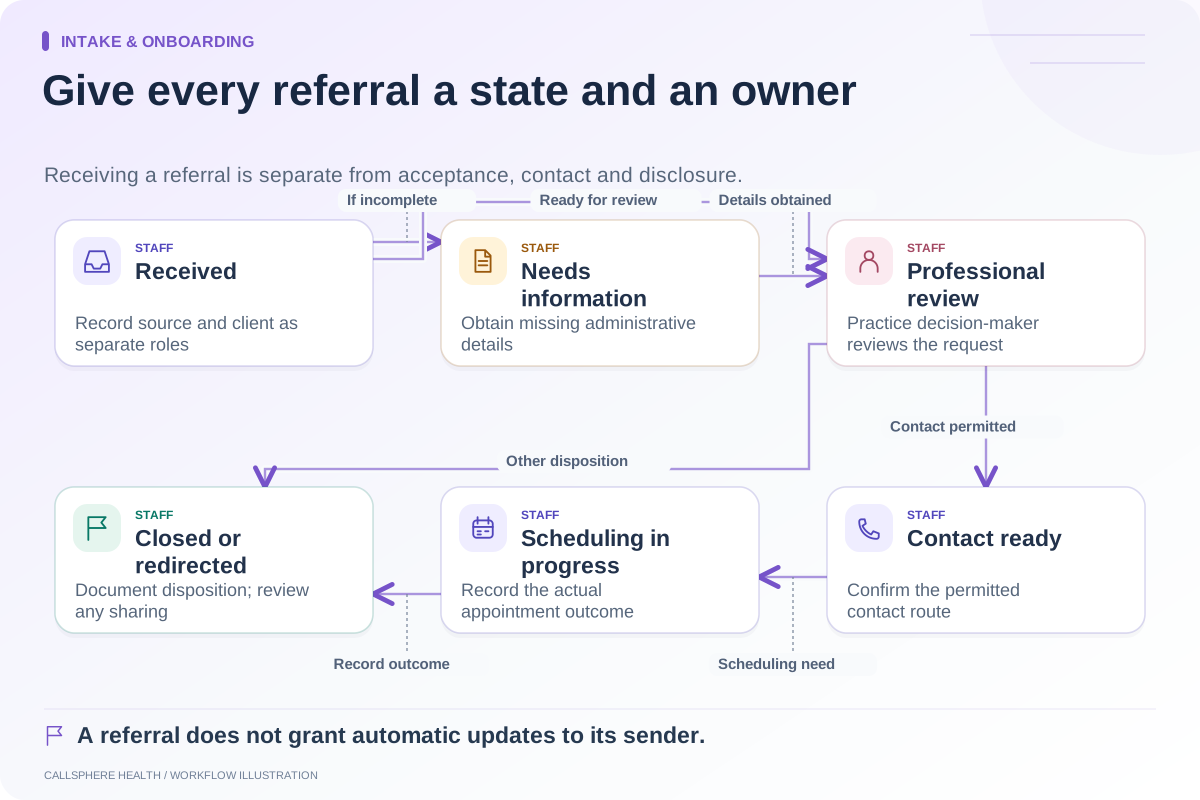
Organize incoming therapy referrals with distinct received, reviewed, contact-authorized and scheduled states, plus ownership and return-message boundaries.
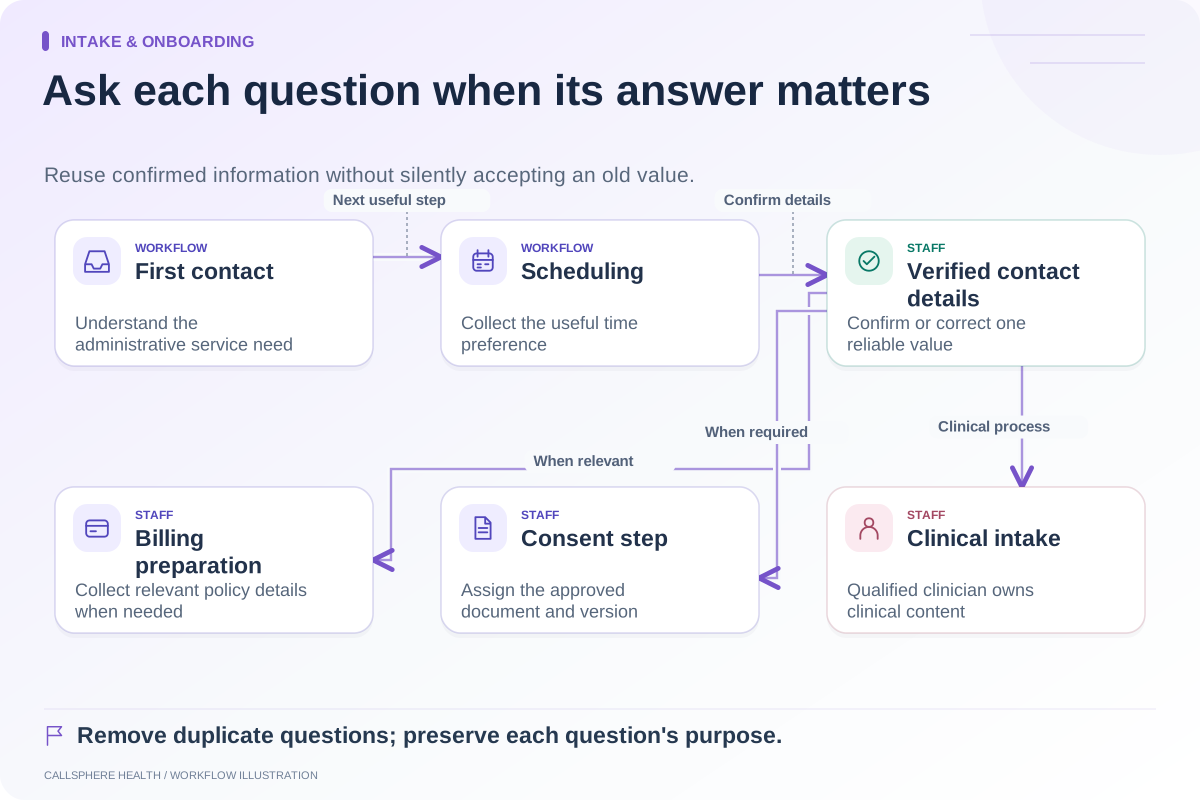
Use a question-timing matrix to reduce duplicate administrative intake fields while preserving information staff and clinicians actually need.
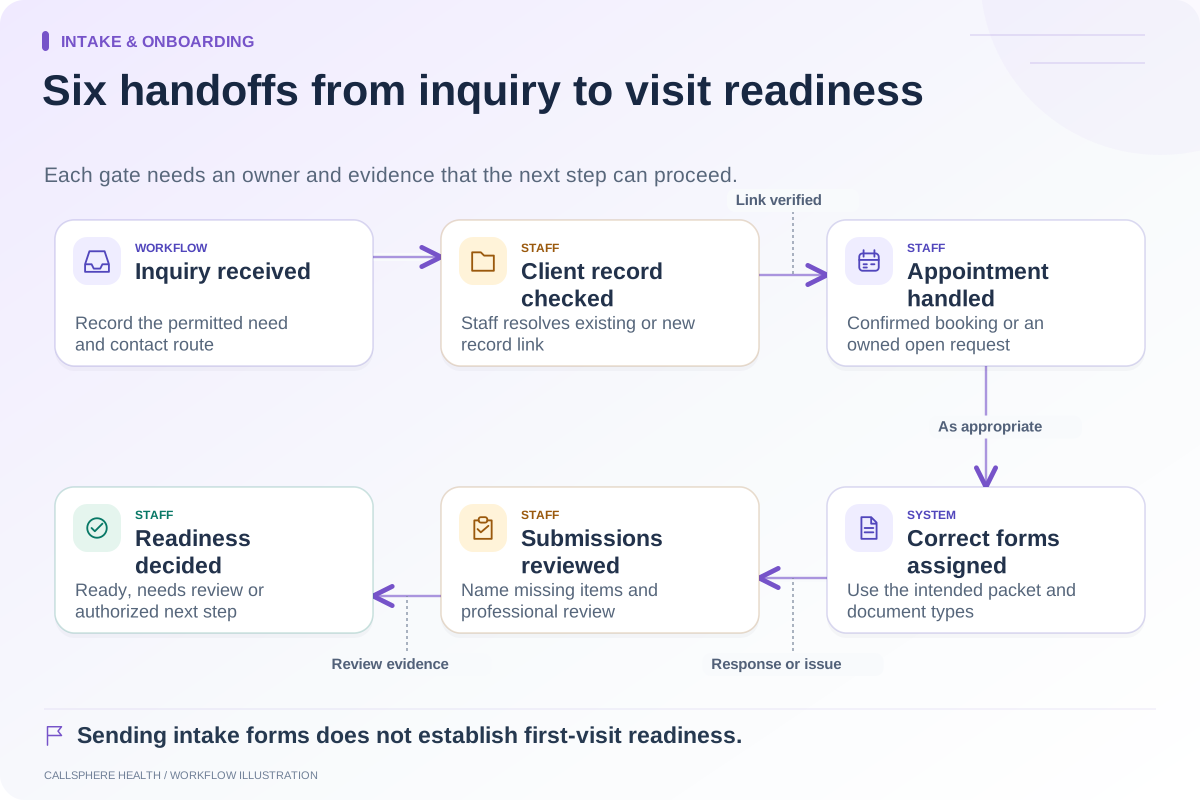
Map therapy intake from first inquiry to the first visit with clear entry criteria, record checks, form delivery and staff review responsibilities.