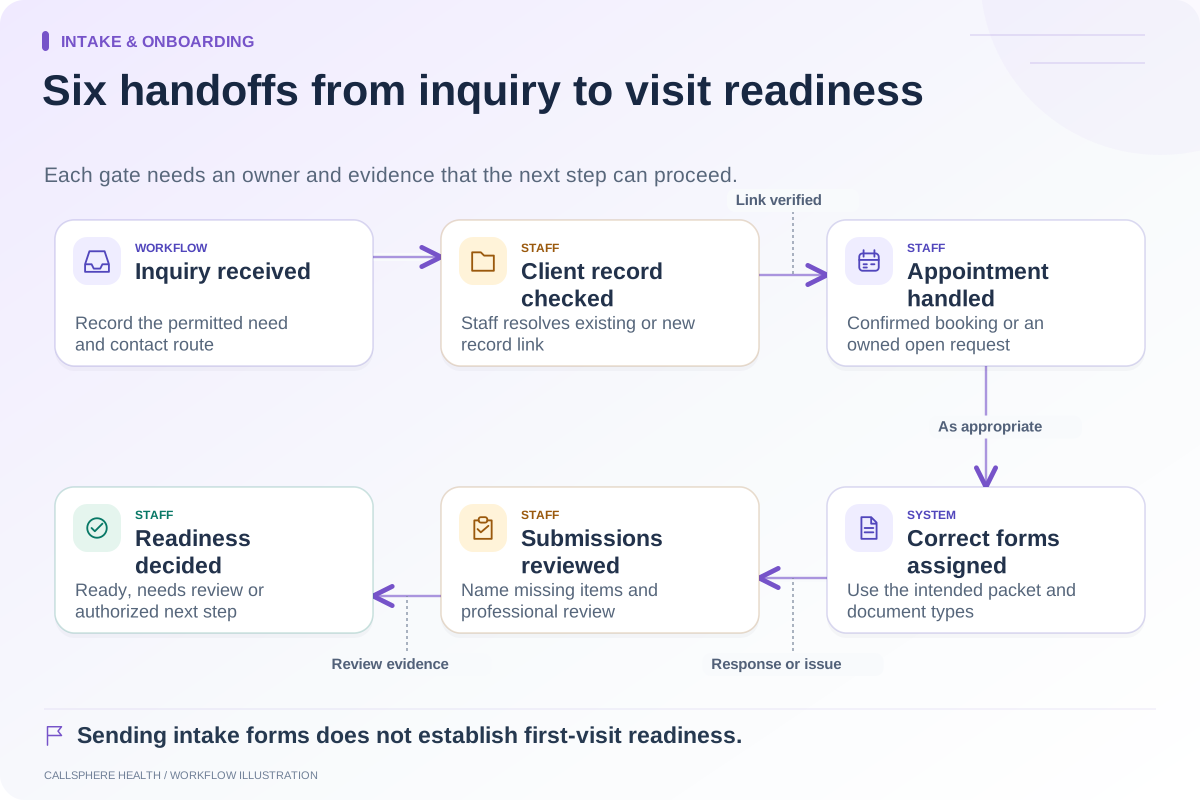
Treat an incoming referral as a request that needs review, not as a confirmed appointment or permission to share updates with everyone involved. Build a queue that records receipt, assigns an owner and separates administrative contact from clinical acceptance and scheduling.
Referral work differs from a self-service inquiry because information may come from a third party, may be incomplete and may arrive before the prospective client has contacted the practice. A useful process makes those uncertainties visible instead of compressing them into a single “new lead” status.
Define the referral states
| State | What is known | Responsible next step |
|---|---|---|
| Received | Referral arrived through an approved channel | Log the receipt and assign a reviewer |
| Needs information | Administrative details are incomplete | Obtain the needed information through an approved process |
| Review pending | The request needs professional review | Appropriate clinician or practice decision-maker reviews |
| Contact ready | Permitted contact route and next step are established | Intake staff contacts the prospective client |
| Scheduling | A scheduling request is being handled | Scheduler confirms the actual outcome |
| Closed or redirected | A documented disposition exists | Authorized staff records the reason and any permitted update |
These are proposed operational states. The practice should set acceptance, disclosure and contact rules with qualified advisers. The presence of a referral does not make an administrative assistant responsible for deciding clinical suitability.
Keep the source and the person distinct
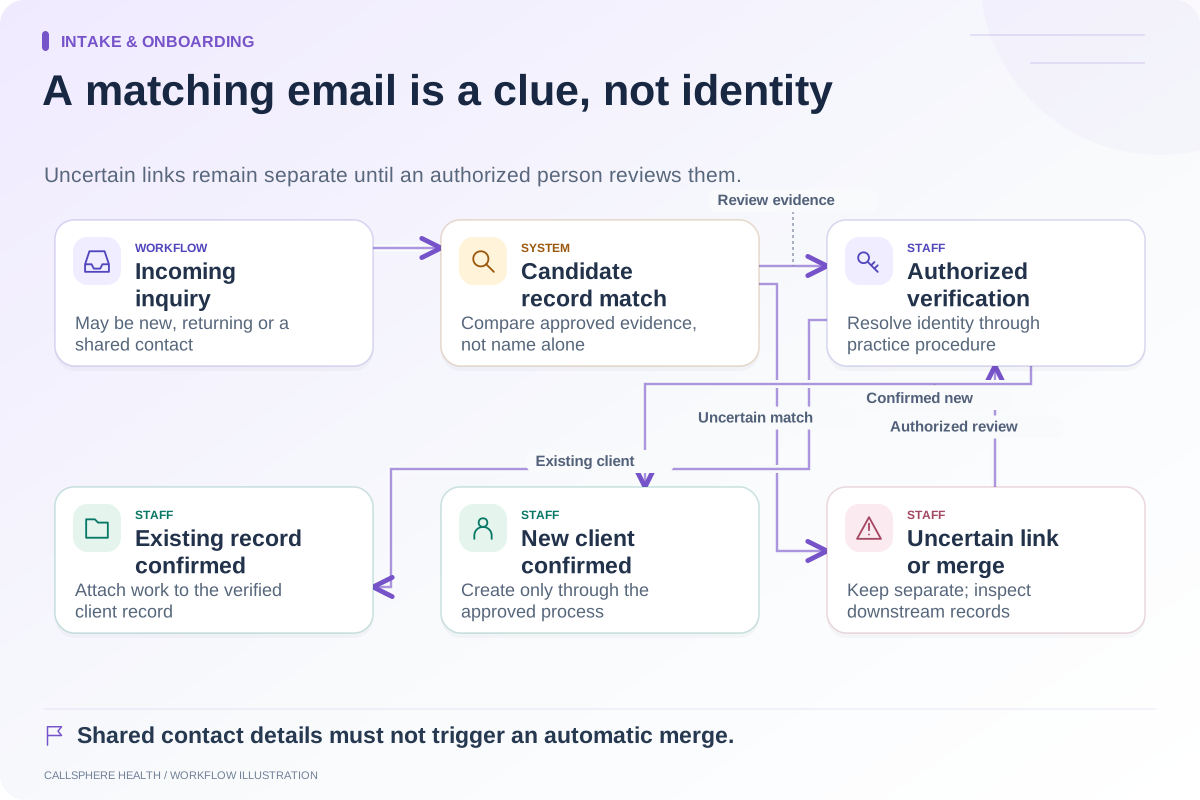
Record the referring organization, the referral reference and the prospective client separately. Verify how the system avoids turning a referrer’s contact details into the client’s notification destination. Staff should also recognize when an existing client receives a new referral rather than creating another client record automatically.
If documents arrive, keep them in the approved controlled location. The queue can indicate that a document is available without copying its clinical content into a broadly visible task description. Referral source reporting should not require unnecessary exposure of patient information.
A hypothetical school referral
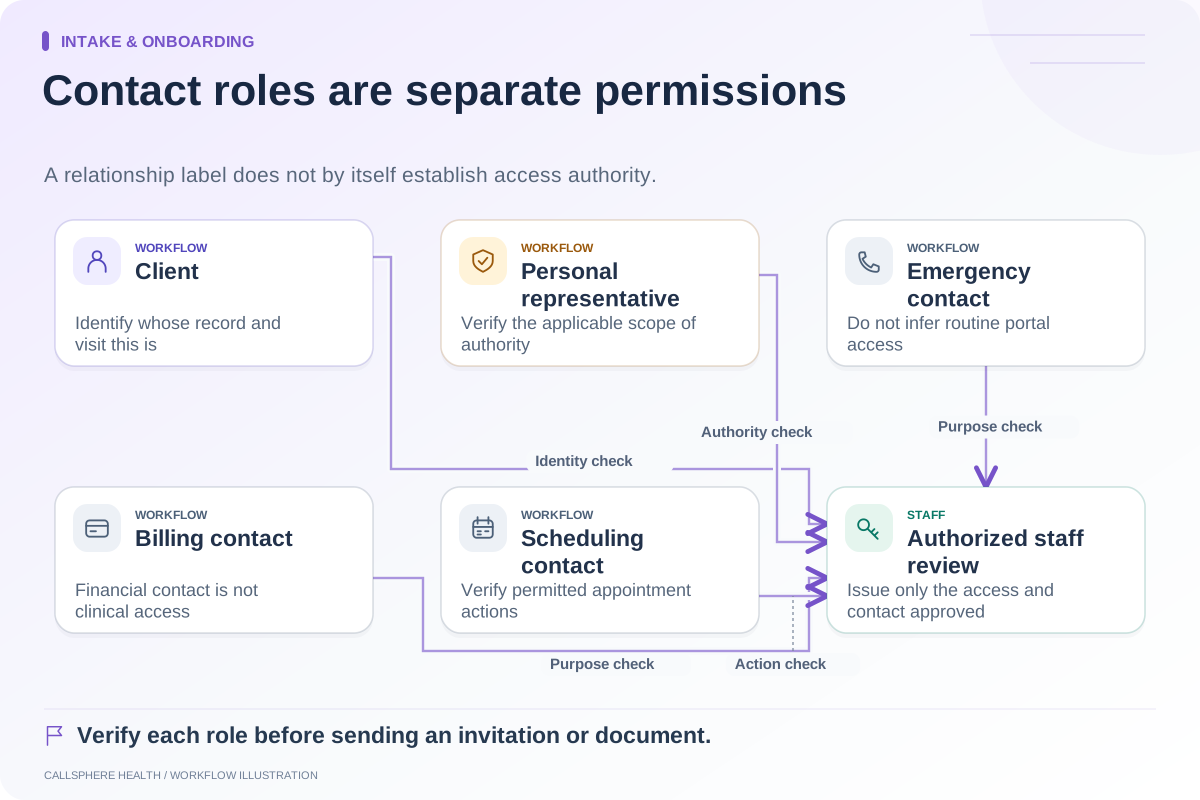
A counseling practice receives a referral from a school contact. Staff records the source and routes the request for the practice’s established review. The referral does not automatically establish who may consent, receive portal access or obtain treatment updates.
After the appropriate review, staff follows the approved contact process and handles scheduling. If the referral concerns a minor, staff verifies the relevant representative and permissions through the practice’s procedures. HHS explains that personal-representative authority depends on applicable authority and exceptions. This example is not a legal determination about any family or school.
A referral can therefore reach “received” quickly while still waiting on necessary review. That is a legitimate state, provided the owner and next action are clear.
Decide what can return to the referrer
Separate administrative acknowledgment from a treatment or attendance update. Define who may send each type, what basis is required and what information can be included. Do not make automatic status emails to referrers a default assumption during software selection.
An internal queue may show “scheduled” to authorized staff while an external contact is entitled to a different or more limited response. Review that boundary with the practice’s responsible privacy and clinical personnel.
Run a queue review that finds stranded work
Use age, owner and missing next action to prioritize administrative review. A referral with no owner is a process failure even if it arrived only recently. A long-open referral may have a documented reason, such as waiting for required information; retain that context.
Report counts for received, reviewed, contact attempted and scheduled separately. Avoid describing every received referral as a new patient or attributing every future visit to the referral software.
Bring the referral handoff to the demo
CallSphere’s practice platform includes scheduling and client records that a practice can evaluate for its staff-managed referral handoff. The exact intake, contact and review sequence should be confirmed for your practice; see capabilities and limitations.
Ask the team to demonstrate an incomplete synthetic referral, an existing-client match and a request awaiting professional review. The purchase question is whether your staff can identify and finish the next authorized step without losing the request.
Continue the workflow
Explore intake & onboarding: Map the therapy intake process from inquiry to first visit · Prevent duplicate records during patient intake · Set up guardian and contact information carefully at intake.
Research reviewed September 9, 2026. Organizational authorship: CallSphere Health. Examples are hypothetical; this is operational guidance, not individualized clinical, legal or billing advice.