Workflow · reduced motion
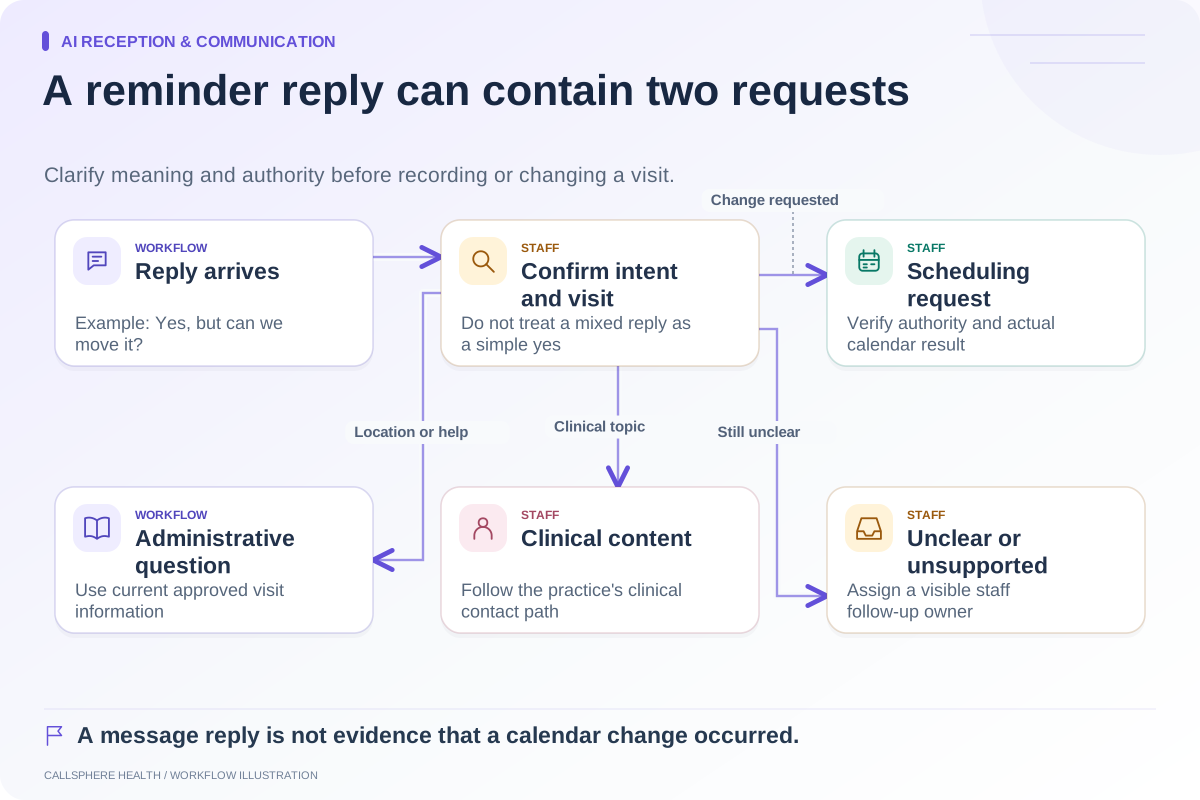
What happens after a patient replies to an appointment reminder?
Map appointment reminder replies to confirmation, cancellation, questions or staff review, and verify what happens beyond message delivery.
4 min read
The Therapy Practice Playbook
Manage booking rules, recurring sessions, cancellations and waitlists.Practical guidance for mental and behavioral health teams navigating scheduling, intake, documentation, billing, growth and front-office workload—with responsible ways to use AI. See how CallSphere works.
18 articles in Scheduling & access
Map appointment reminder replies to confirmation, cancellation, questions or staff review, and verify what happens beyond message delivery.
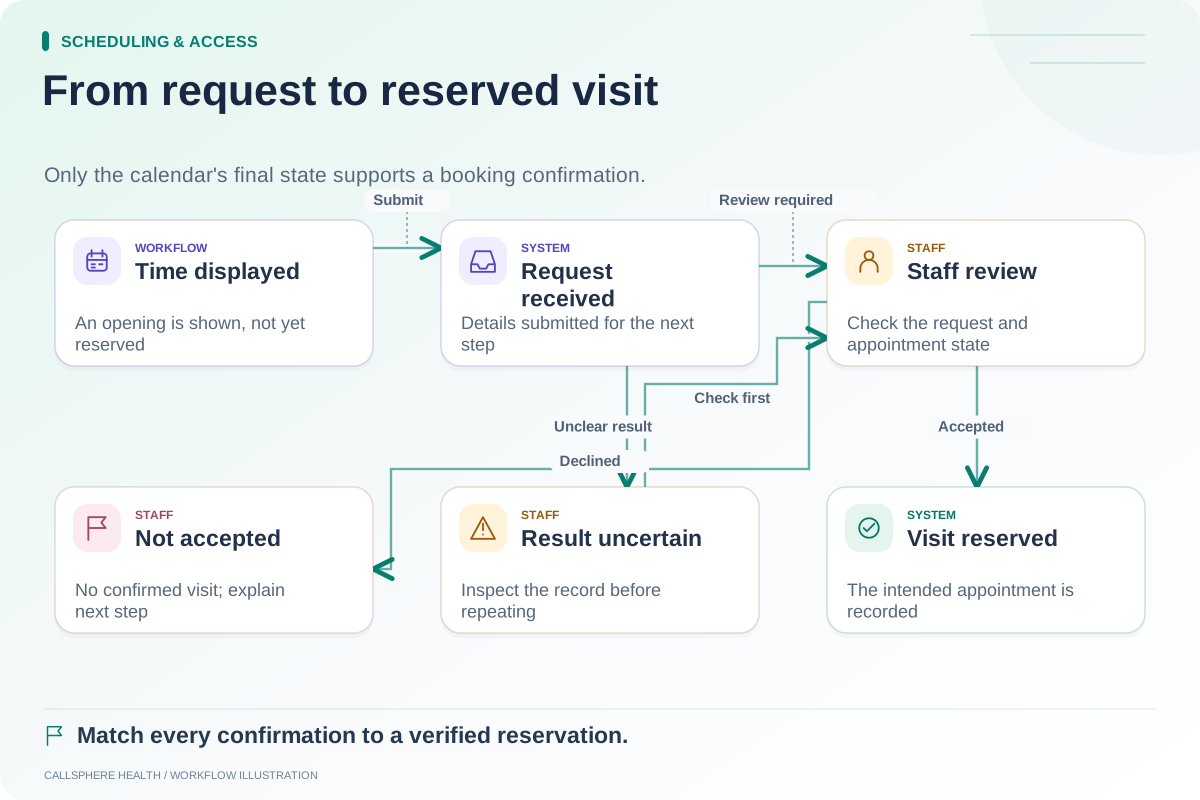
Use clear appointment states and confirmation wording so website visitors understand when they have requested a visit and when a slot is reserved.
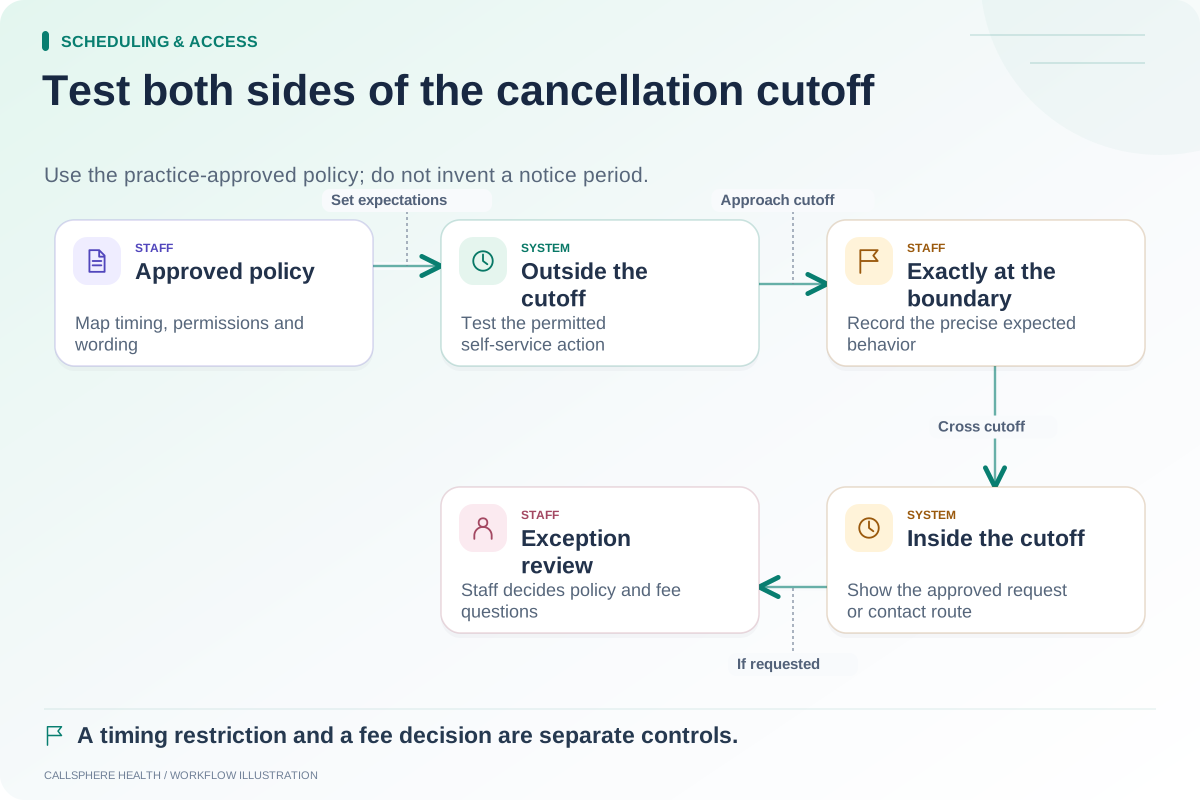
Map an approved cancellation policy to booking permissions, timing boundaries, messages and staff review without letting software defaults define the policy.
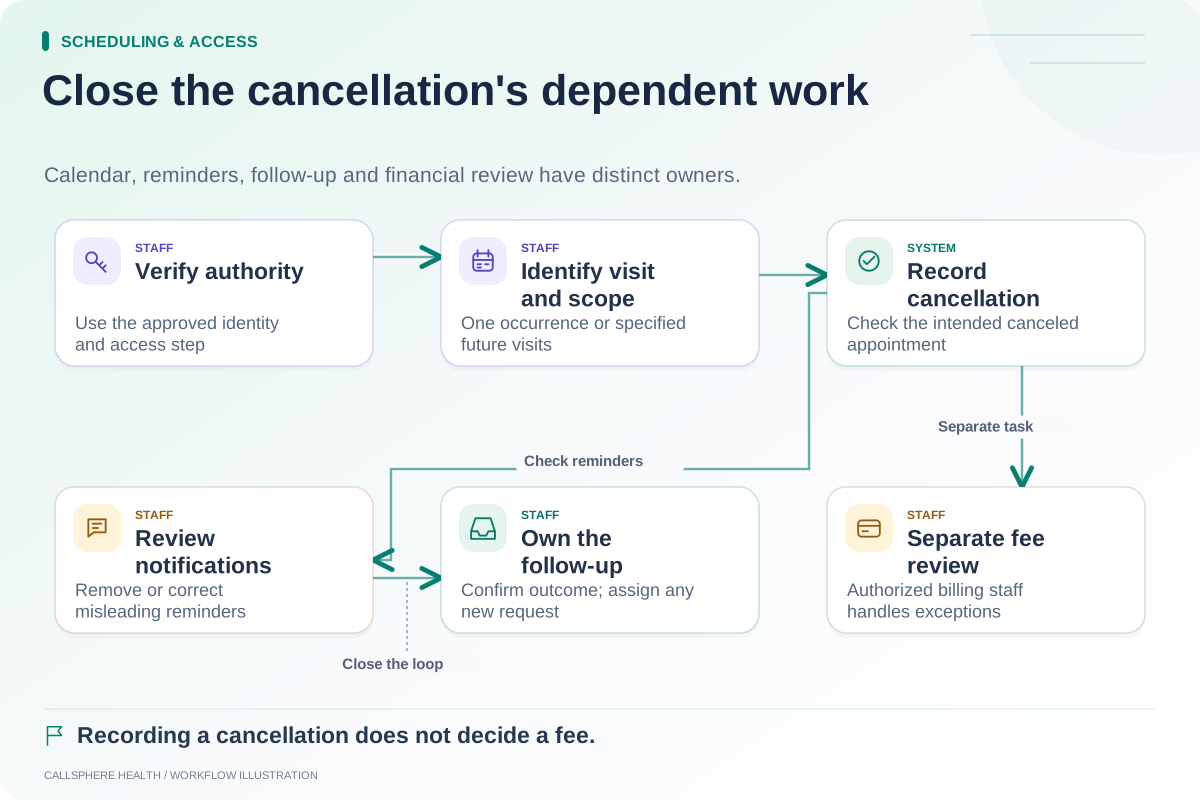
A practical cancellation checklist covering identity, appointment state, reminders, waitlist handling, staff review and confirmation of the outcome.
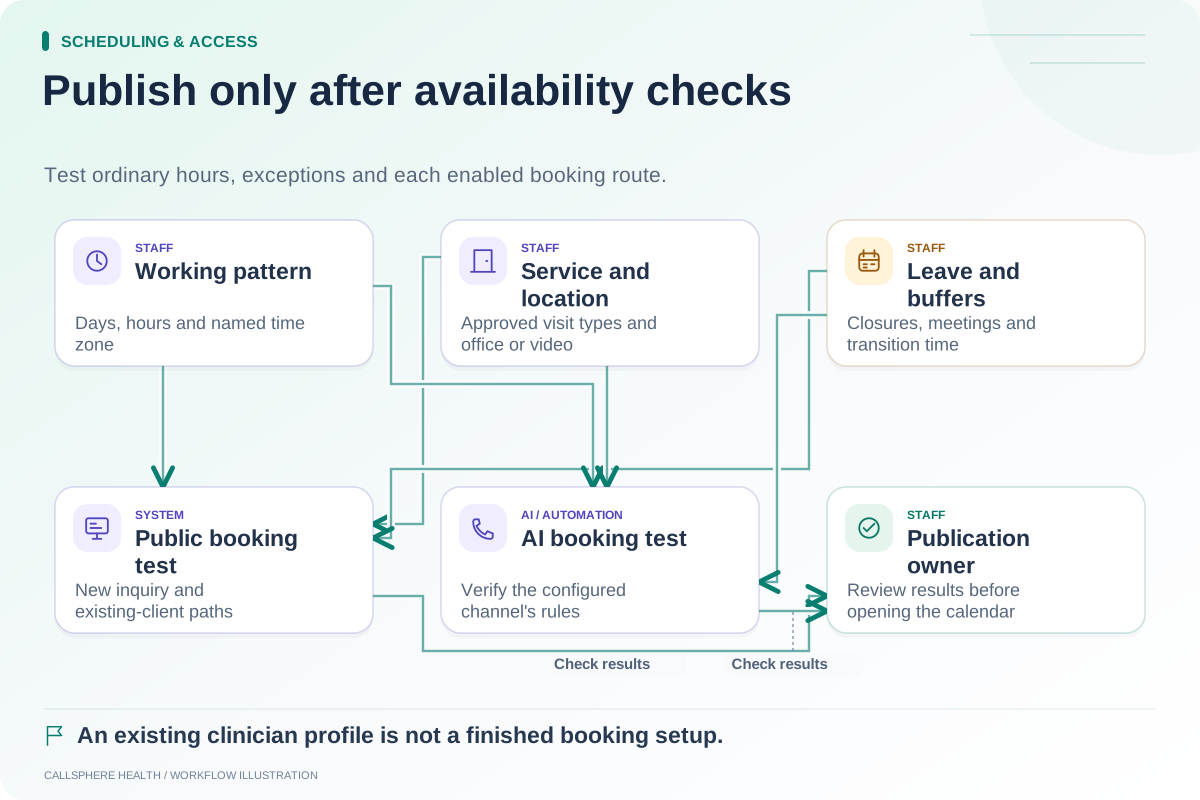
Prepare a clinician calendar for online booking with working hours, visit types, leave, buffers, location rules and a clear publication check.
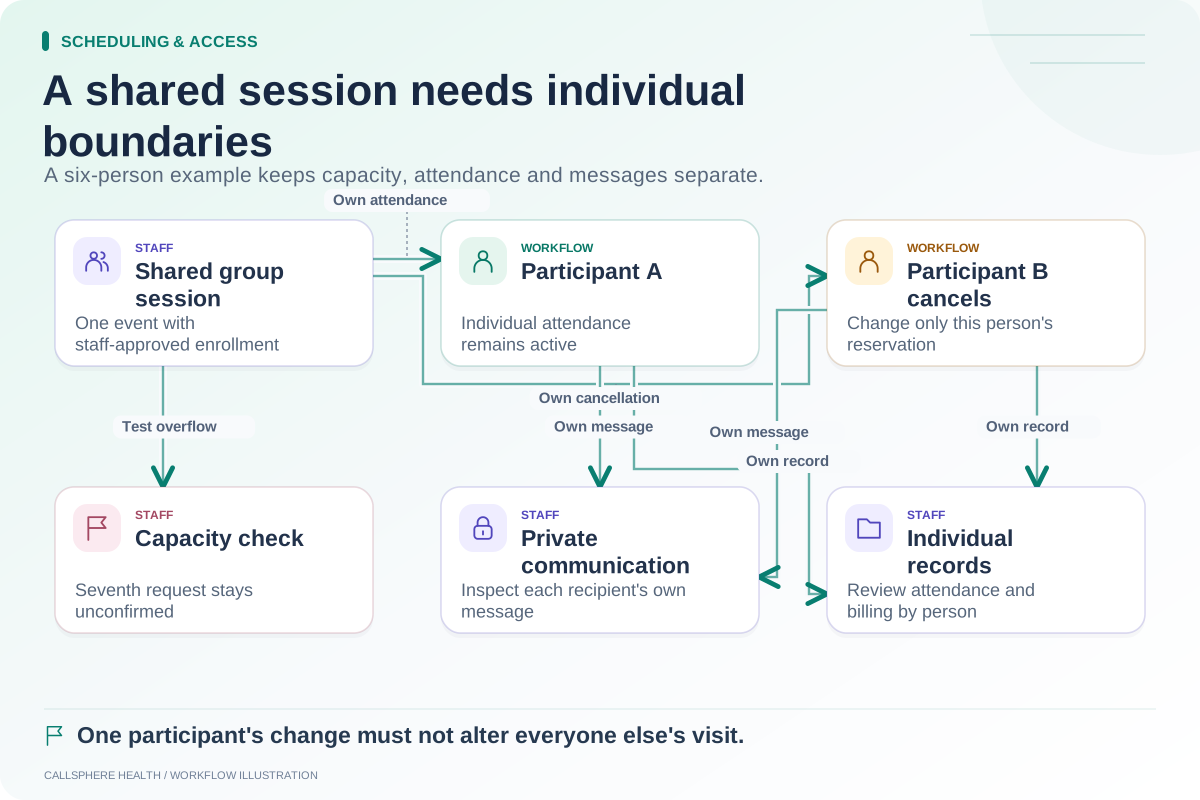
Evaluate group therapy scheduling with separate checks for capacity, participant privacy, attendance, billing and group telehealth support.
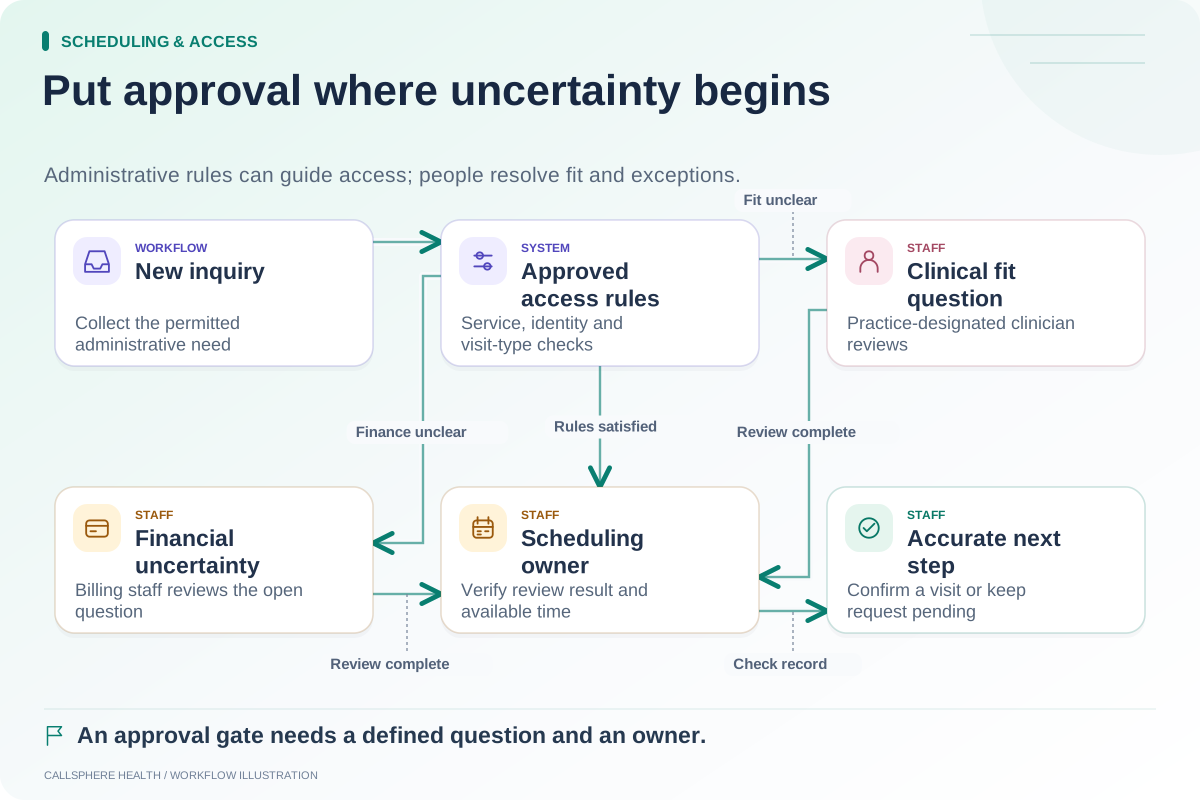
Use an approval decision table to separate administrative eligibility, identity checks and clinical fit before confirming new-patient appointments.
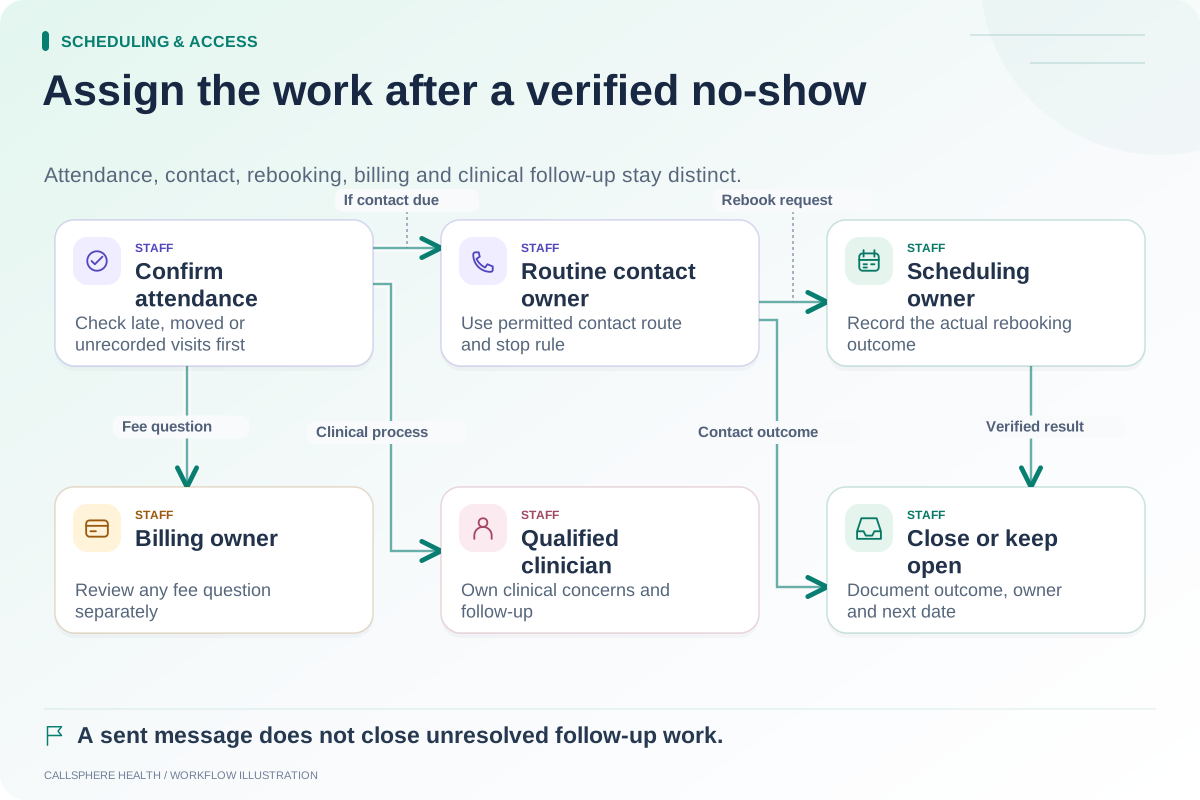
Create a no-show follow-up queue with confirmed appointment status, a named staff owner, clear contact boundaries and measurable administrative outcomes.
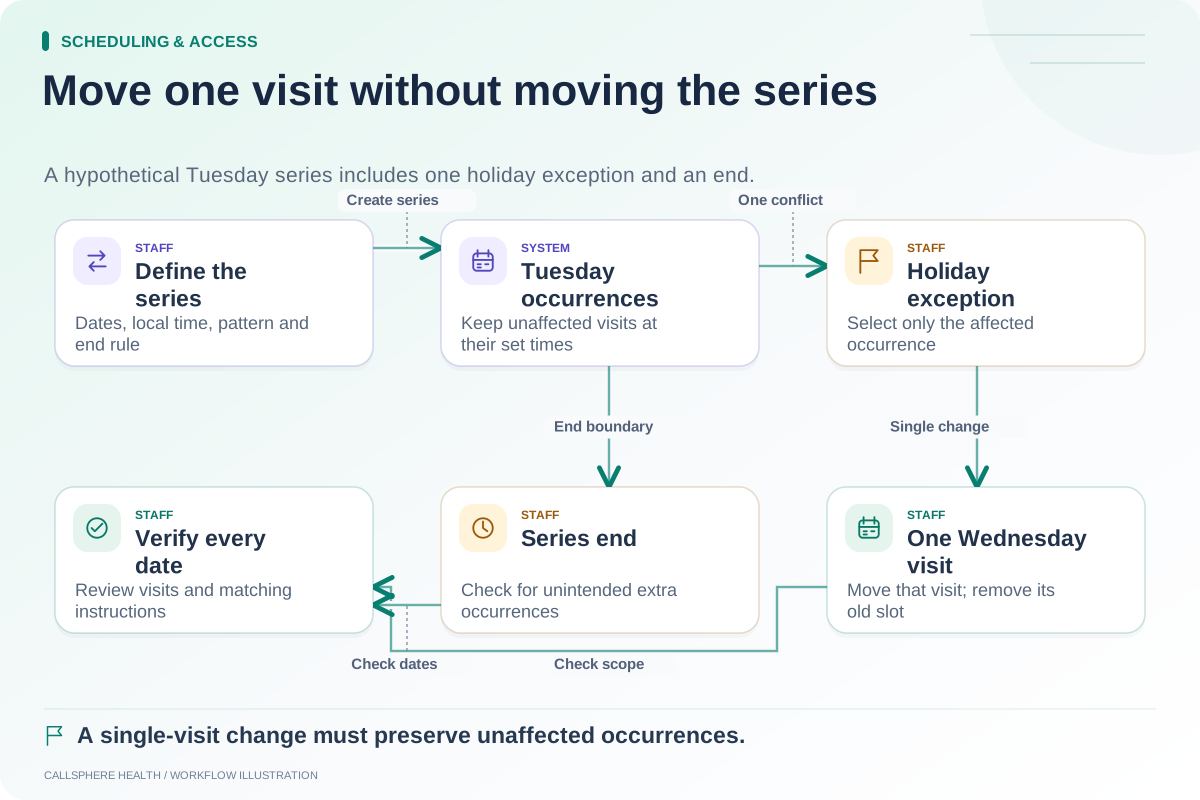
Test recurring therapy appointments across holidays, one-visit changes, series edits and end dates before relying on a standing weekly schedule.
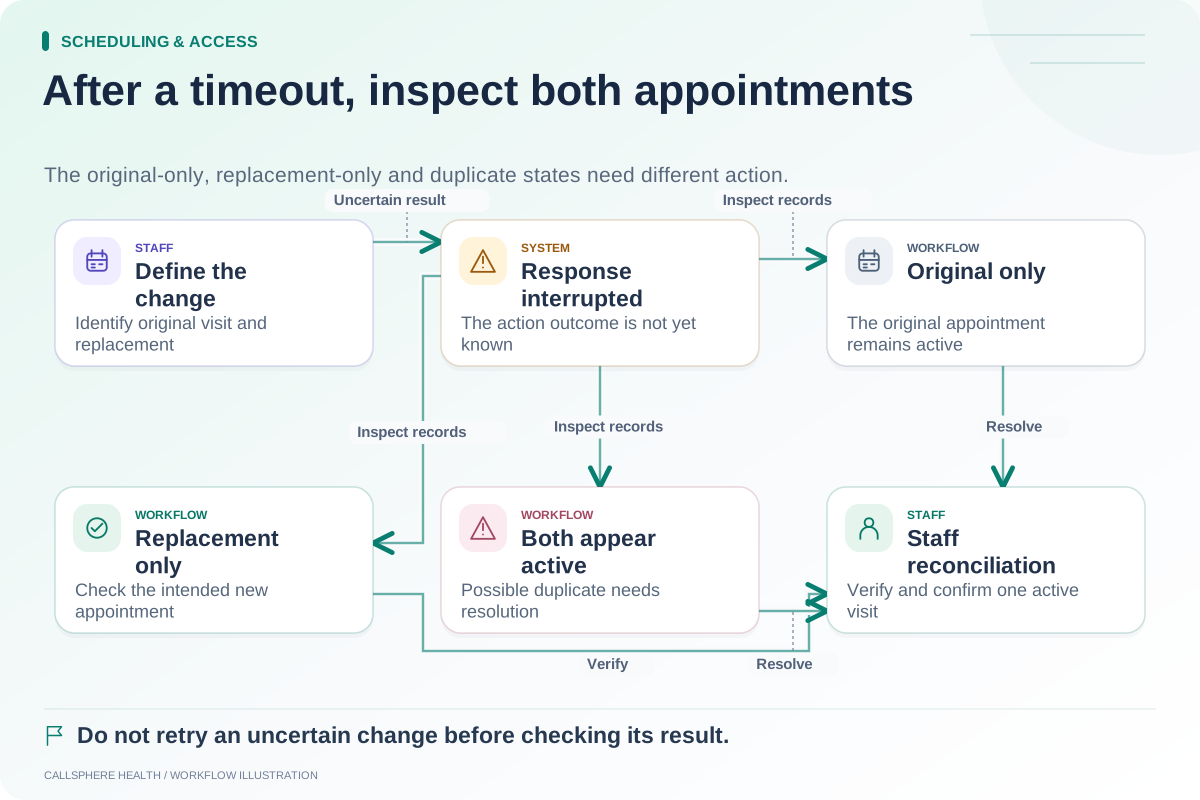
Verify old and new appointment states during rescheduling, including timeouts, repeated requests and partial failures that can leave duplicate visits.
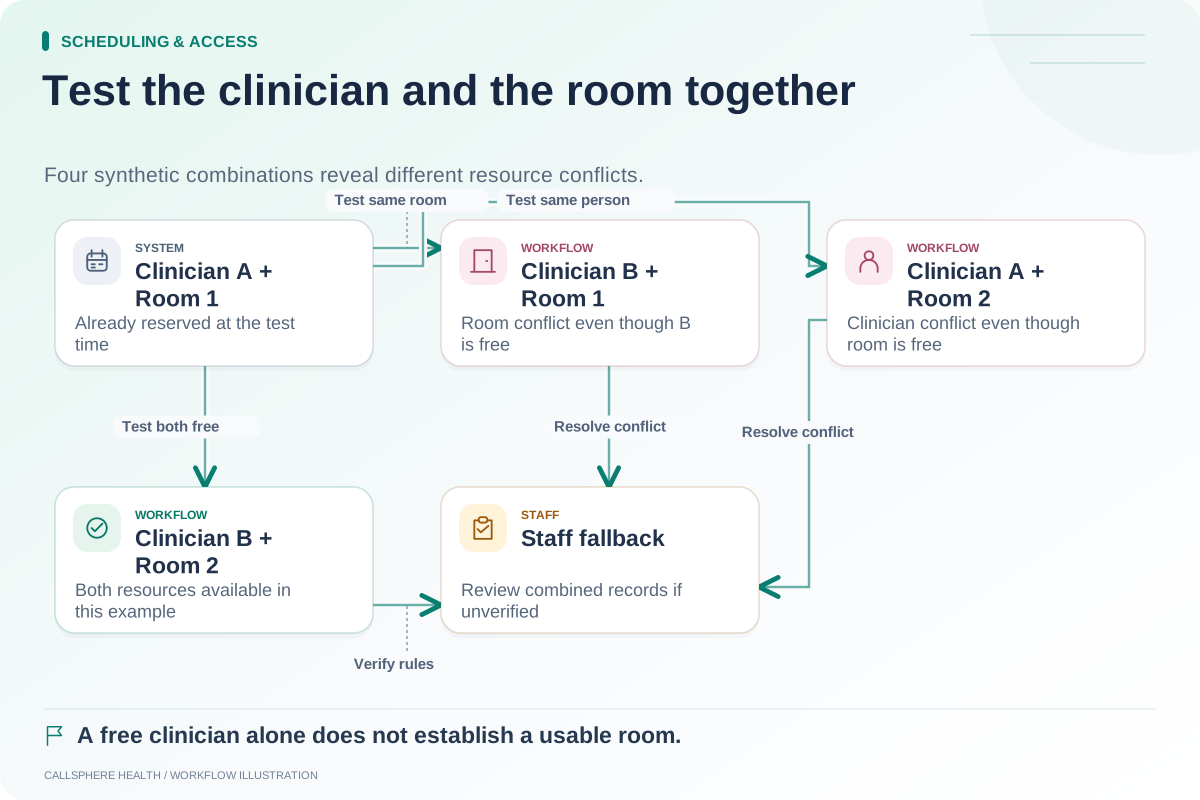
Test clinician and room availability together with a two-resource conflict checklist and a practical manual fallback when automatic coordination is unverified.
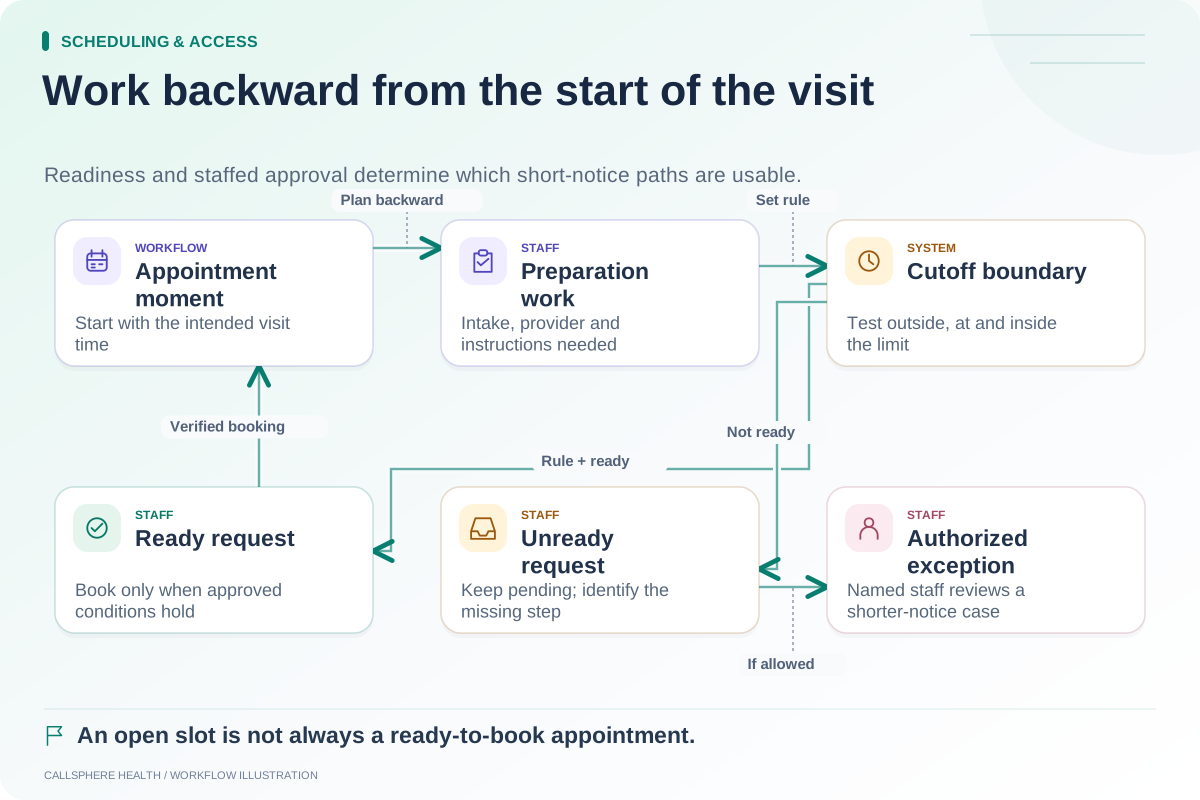
Set practical same-day booking cutoffs using appointment type, intake readiness, staffing and reminder timing instead of treating every empty slot as ready.
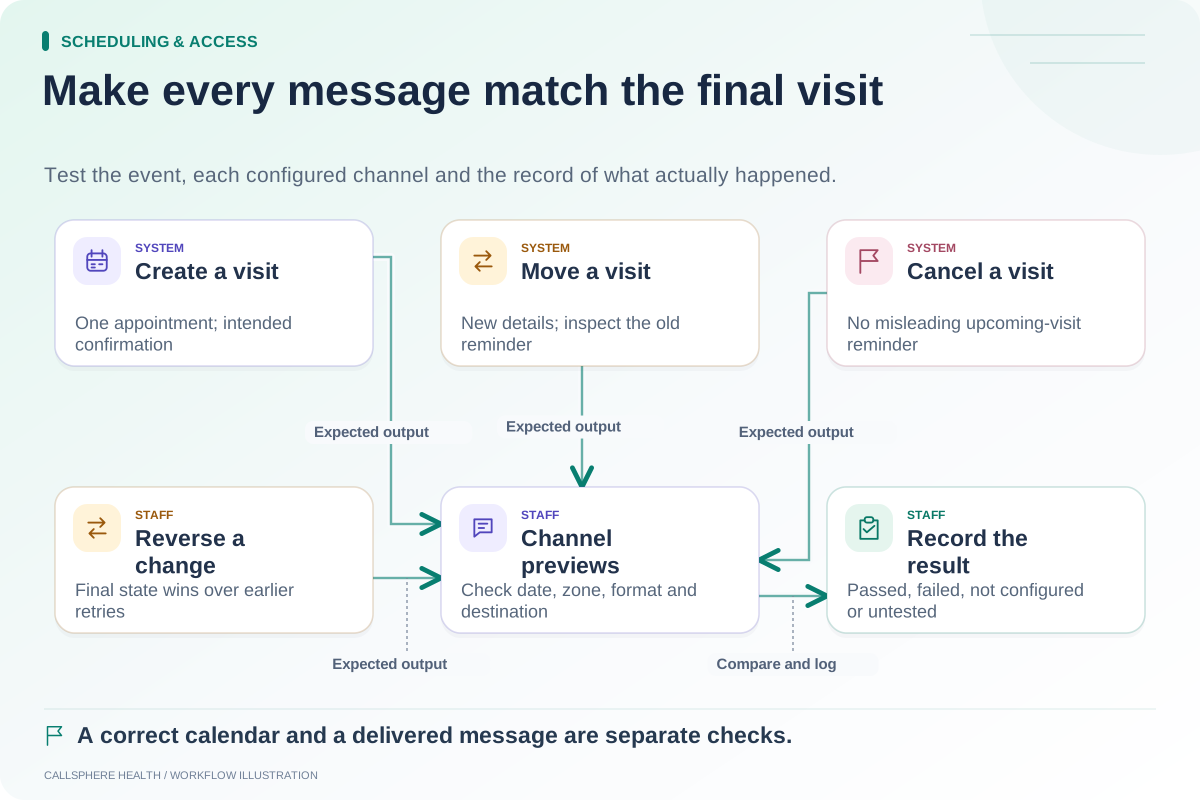
Use an event-by-channel checklist to test confirmations, reminders and staff tasks after therapy appointments are created, moved or canceled.
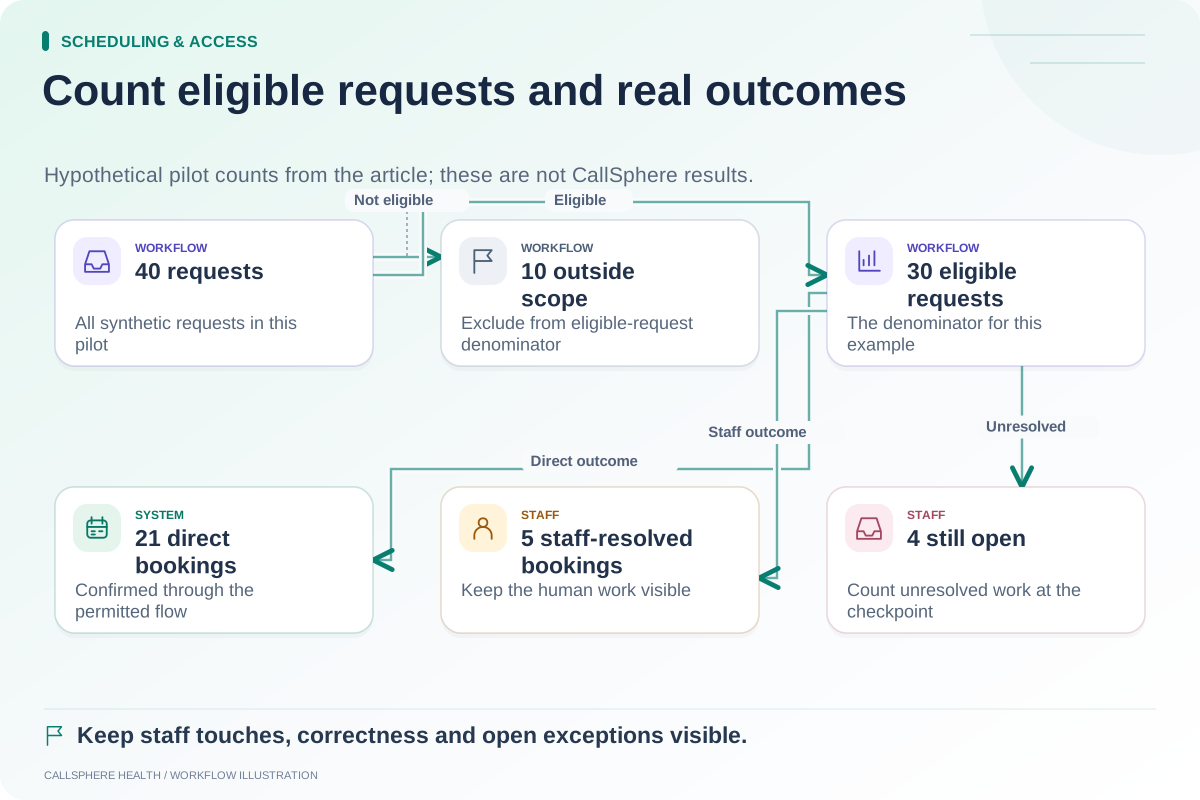
Measure scheduling automation with distinct request, booking, exception and staff-touch metrics instead of counting AI conversations as completed appointments.
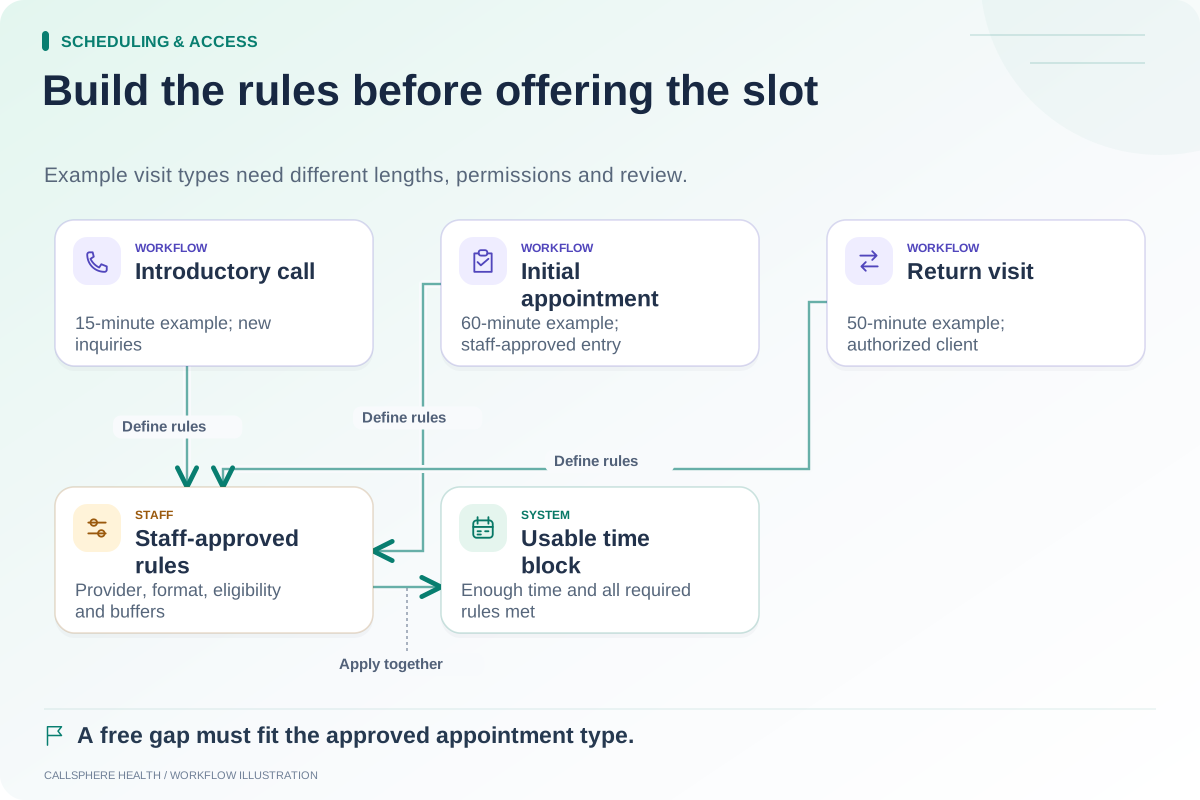
Define consultation, intake and return-visit rules before enabling automated booking, including duration, eligible providers and staff approval.
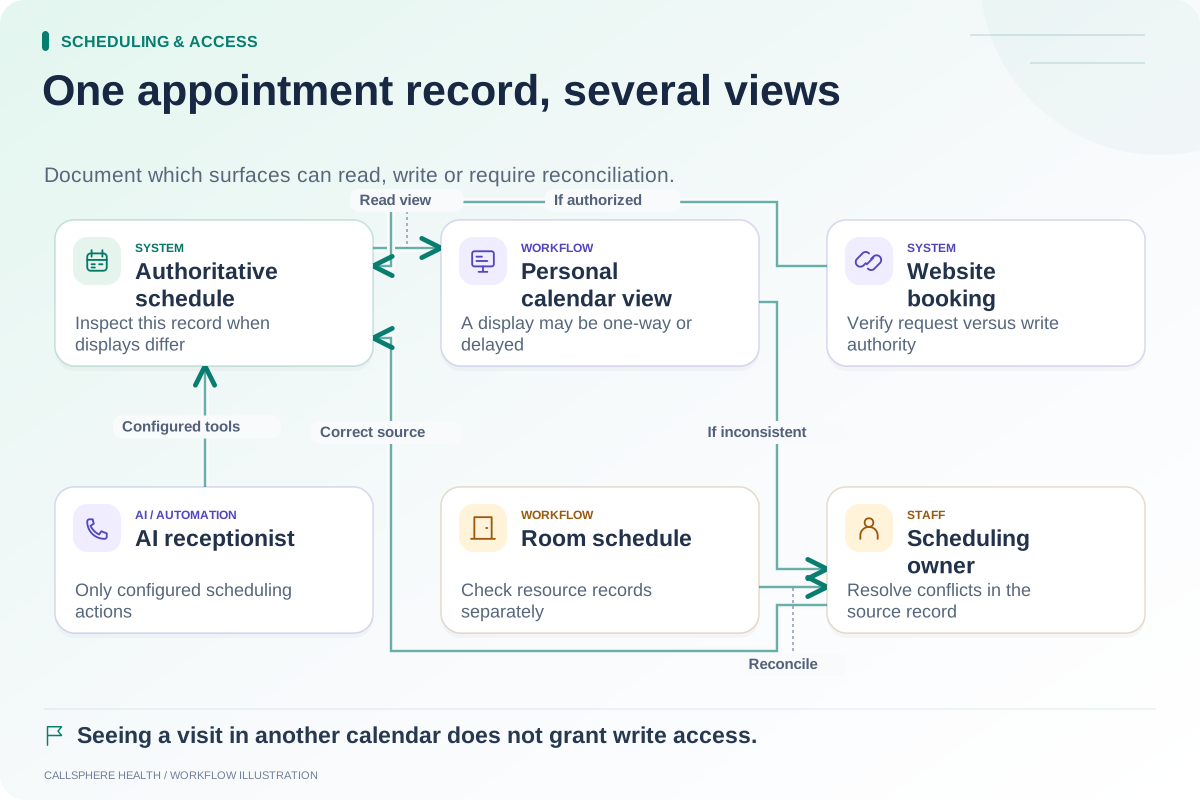
Create a calendar authority map that distinguishes the scheduling source of truth from personal calendar views, booking widgets and AI access.
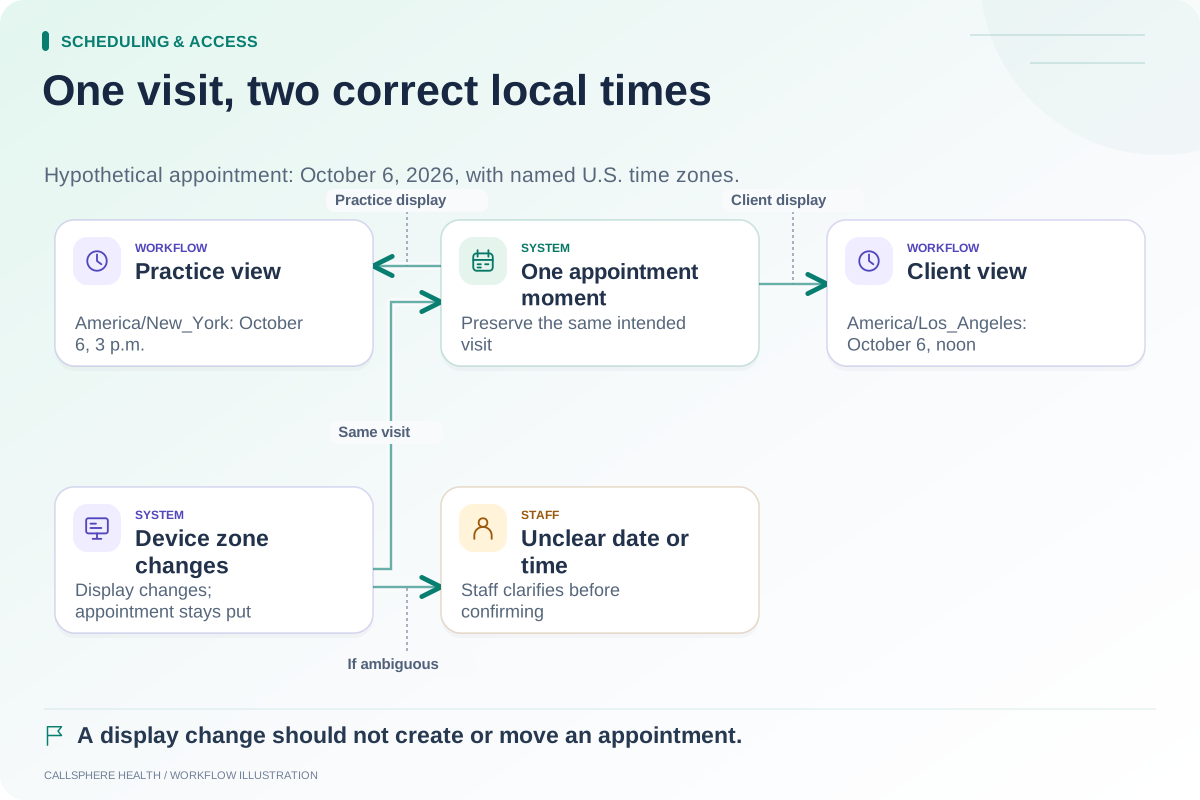
Use synthetic cross-zone appointments to check teletherapy booking displays, confirmations, recurring visits and daylight-saving changes.
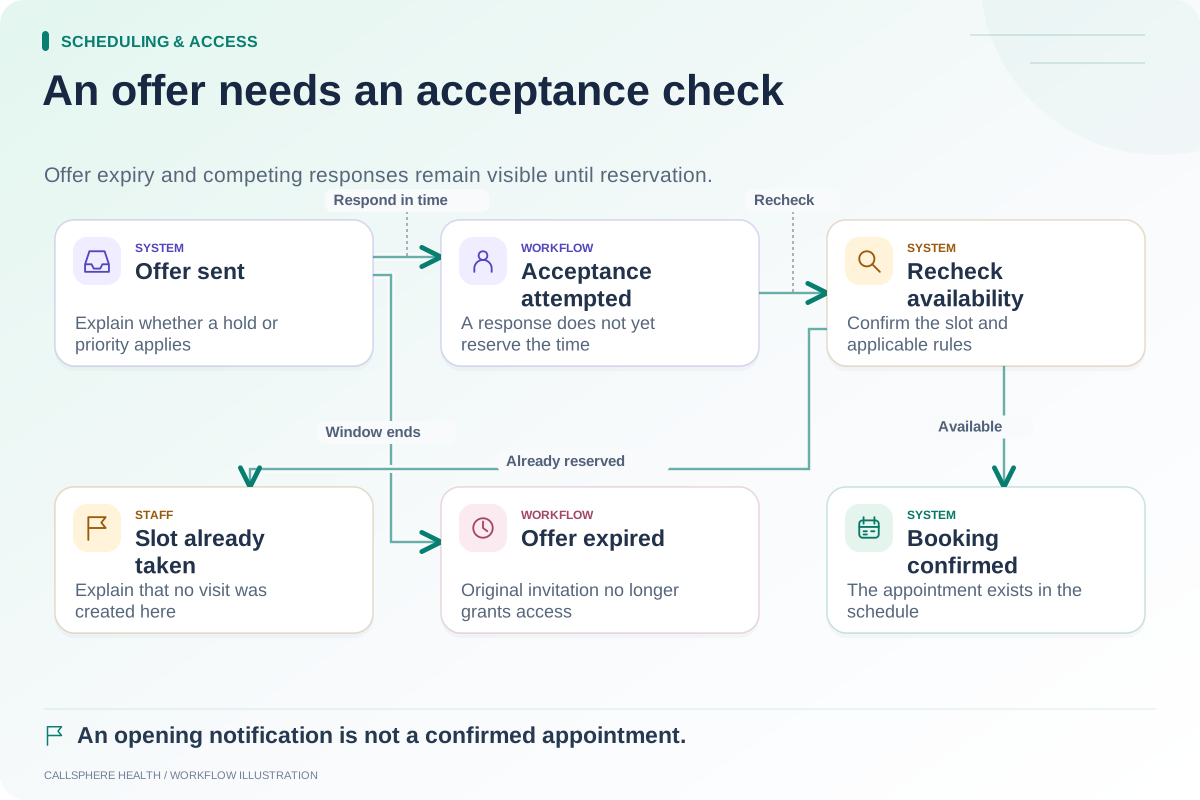
Design waitlist offers with clear availability, acceptance, expiration and conflict rules so a notification is never mistaken for a confirmed booking.