Workflow · reduced motion
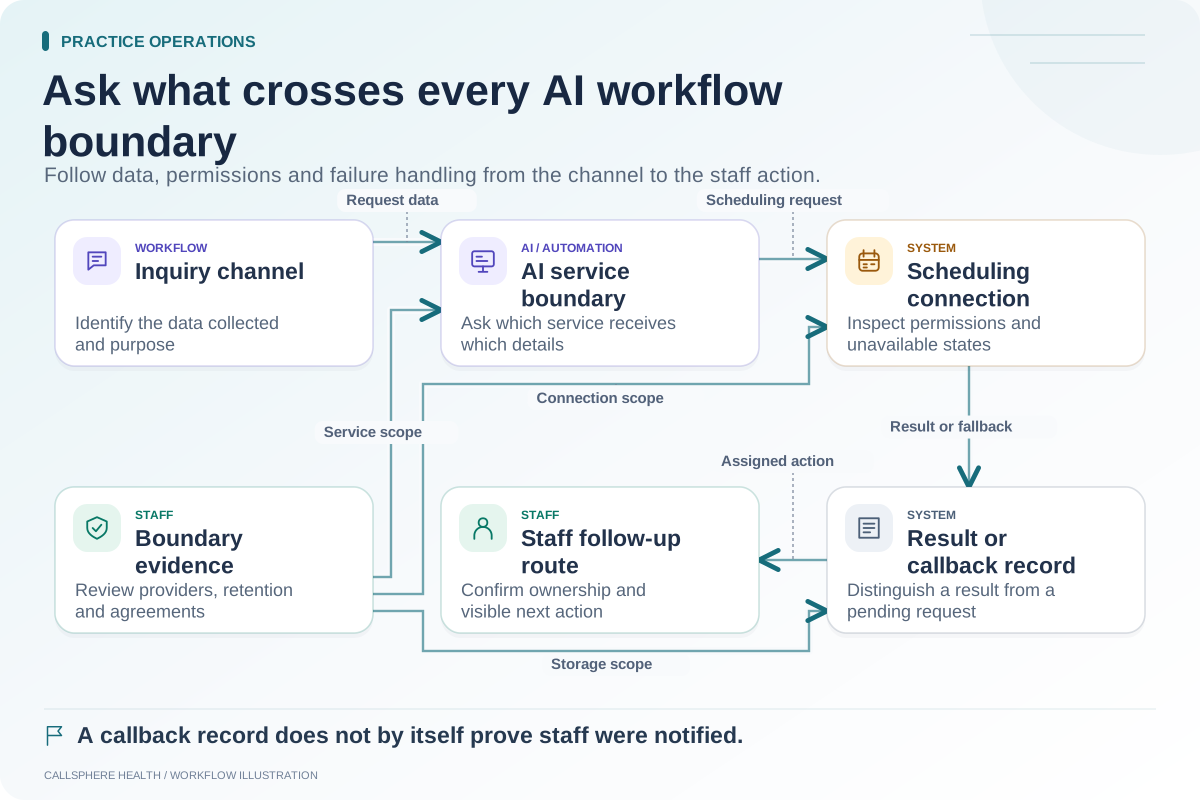
Map where an AI workflow sends practice information
Map the information exchanged by an EHR and administrative AI workflow, including channels, services, permissions and unresolved data-flow questions.
3 min read
The Therapy Practice Playbook
Choose practical measures, organize staff work and plan software changes.Practical guidance for mental and behavioral health teams navigating scheduling, intake, documentation, billing, growth and front-office workload—with responsible ways to use AI. See how CallSphere works.
23 articles in Practice operations & migration
Map the information exchanged by an EHR and administrative AI workflow, including channels, services, permissions and unresolved data-flow questions.
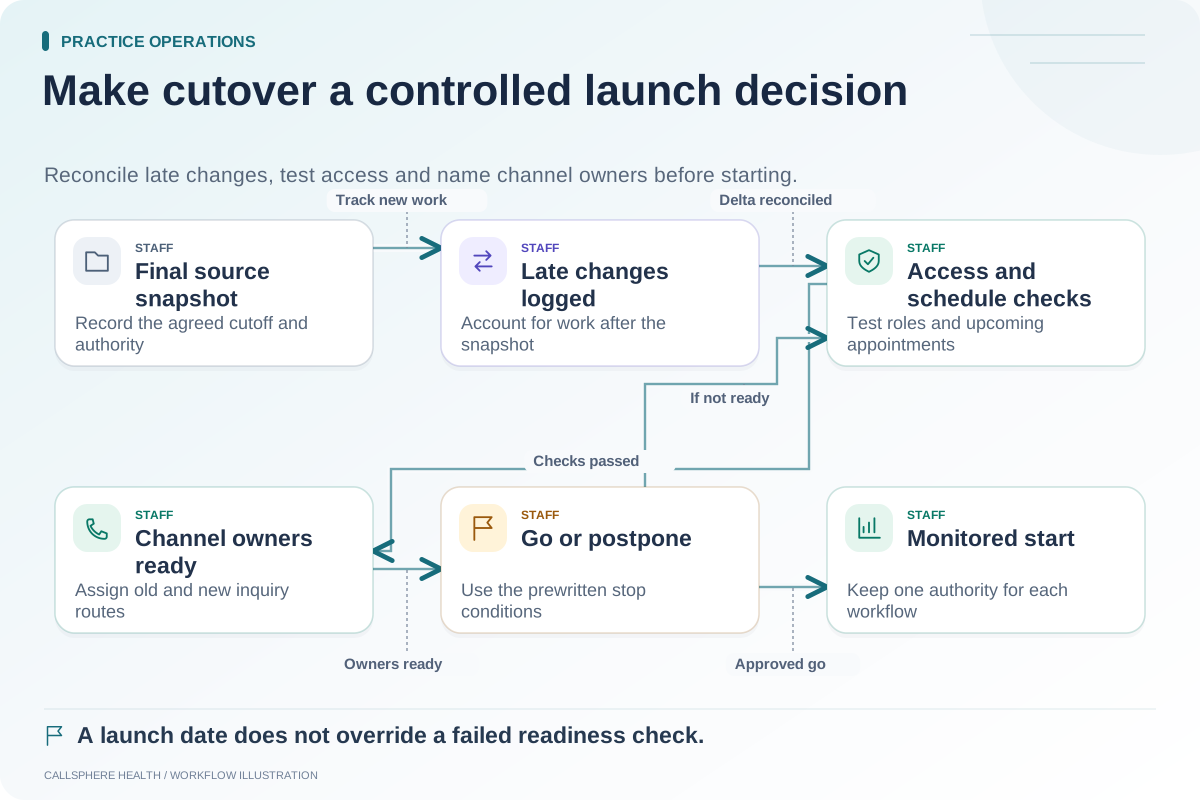
Use a therapy EHR cutover runbook with a final change check, role tests, go/no-go criteria and a named owner for each launch task.
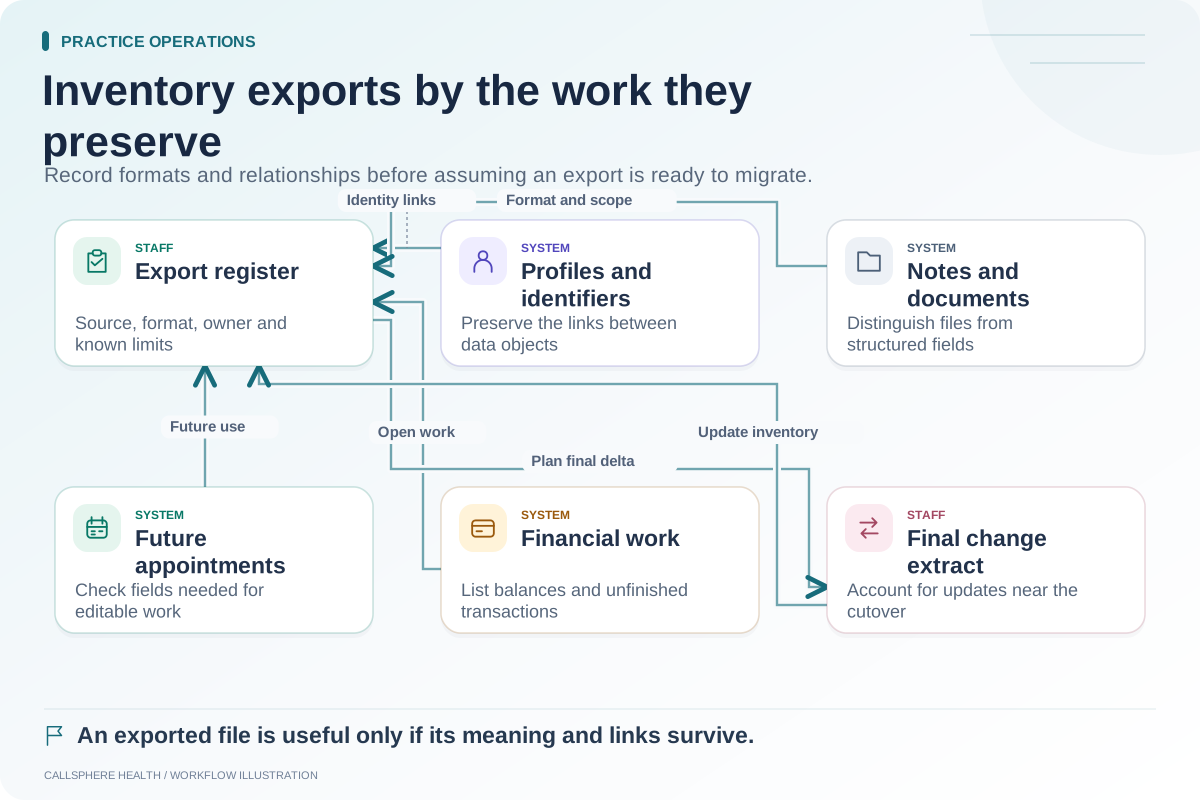
Inventory records, documents, future appointments and balances before replacing a therapy EHR, using a clear export register and acceptance questions.
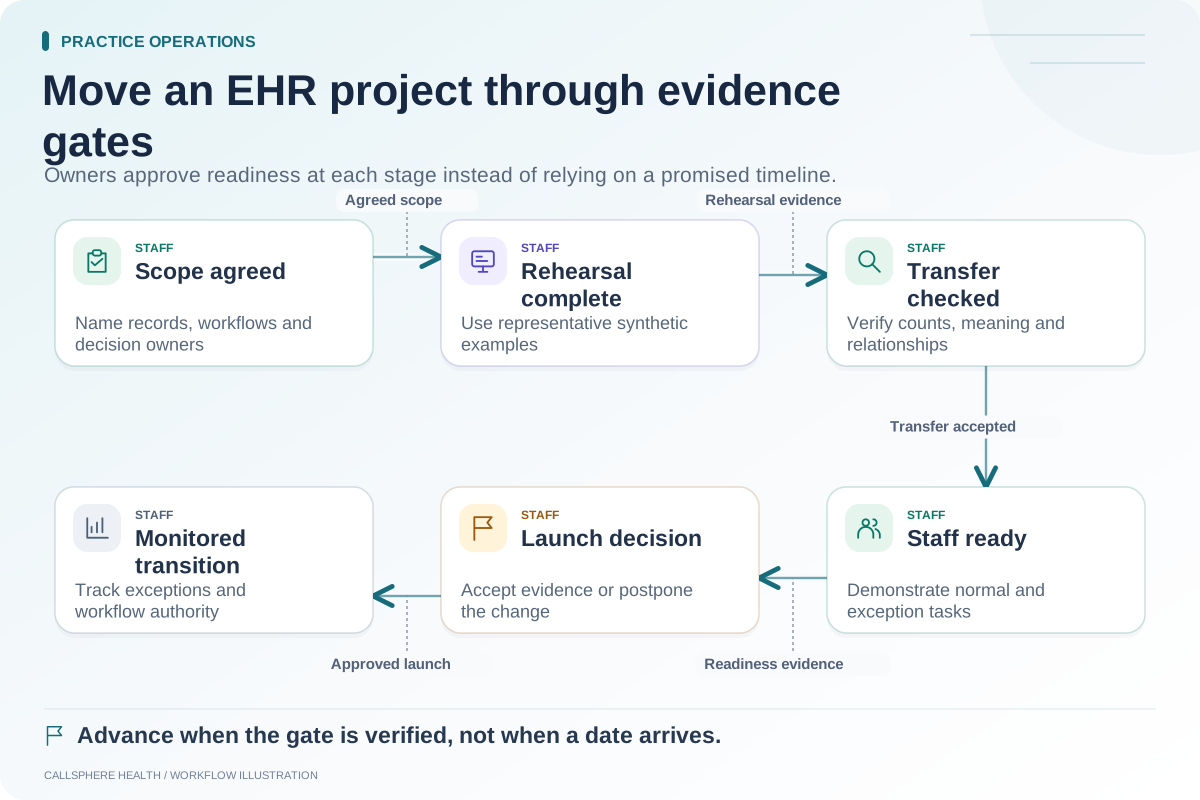
Plan a therapy practice EHR migration with owners, rehearsal, reconciliation and launch gates before selecting a cutover date.
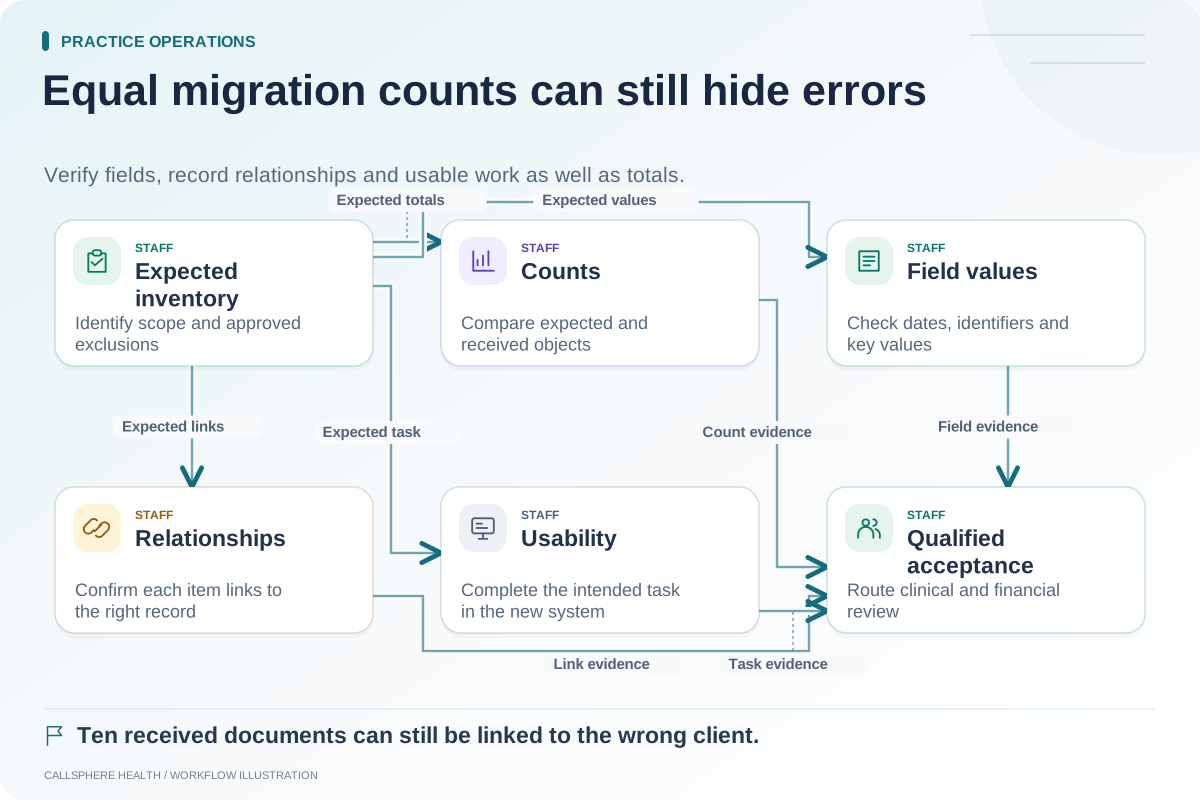
Check an EHR migration with count, field, relationship and document reconciliation before your therapy practice relies on the transferred records.
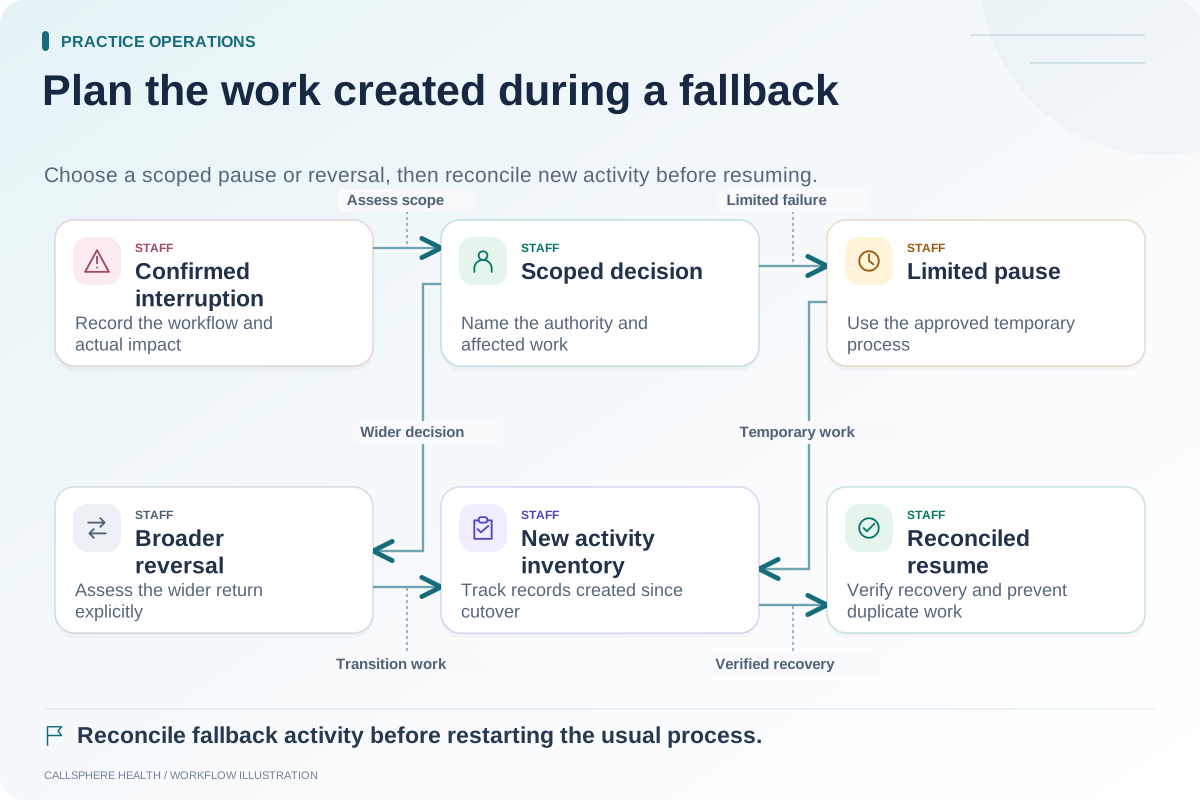
Prepare an EHR migration fallback with clear triggers, decision authority and a method to reconcile work entered after cutover.
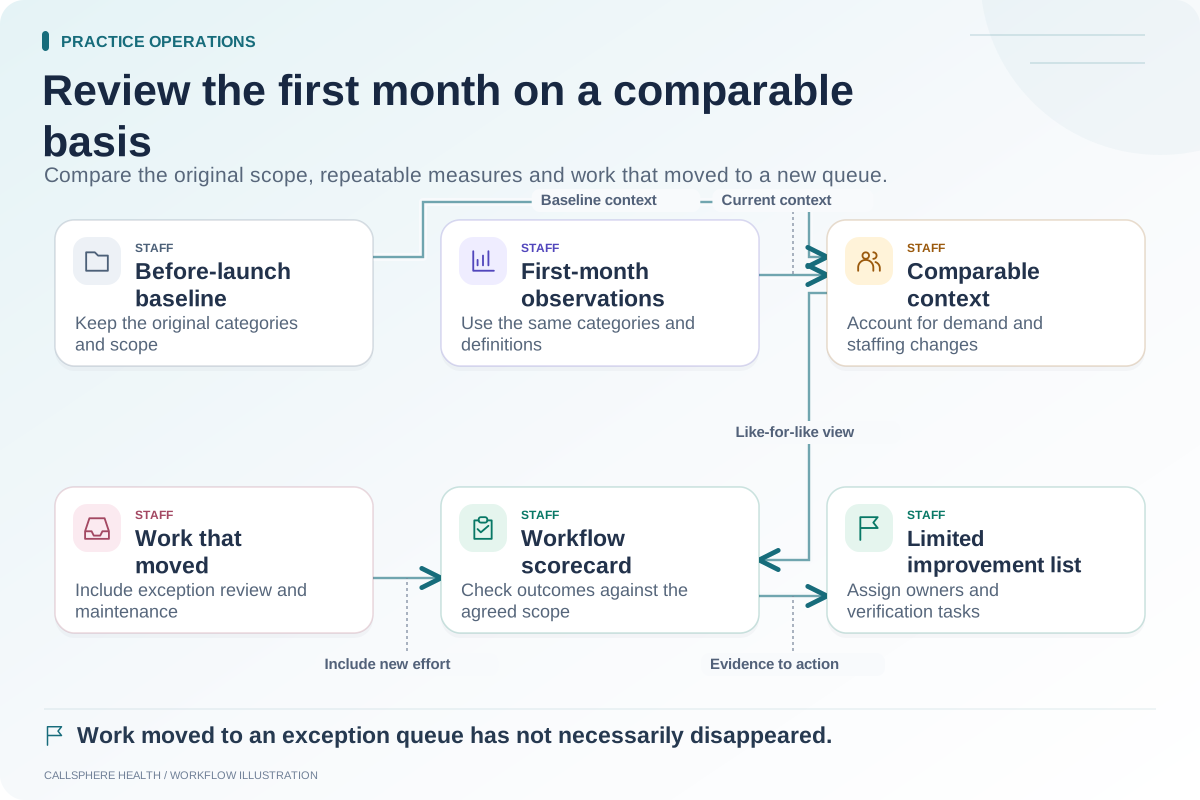
Review the first 30 days of a therapy EHR launch with workflow reliability, open exceptions and comparable administrative measures.
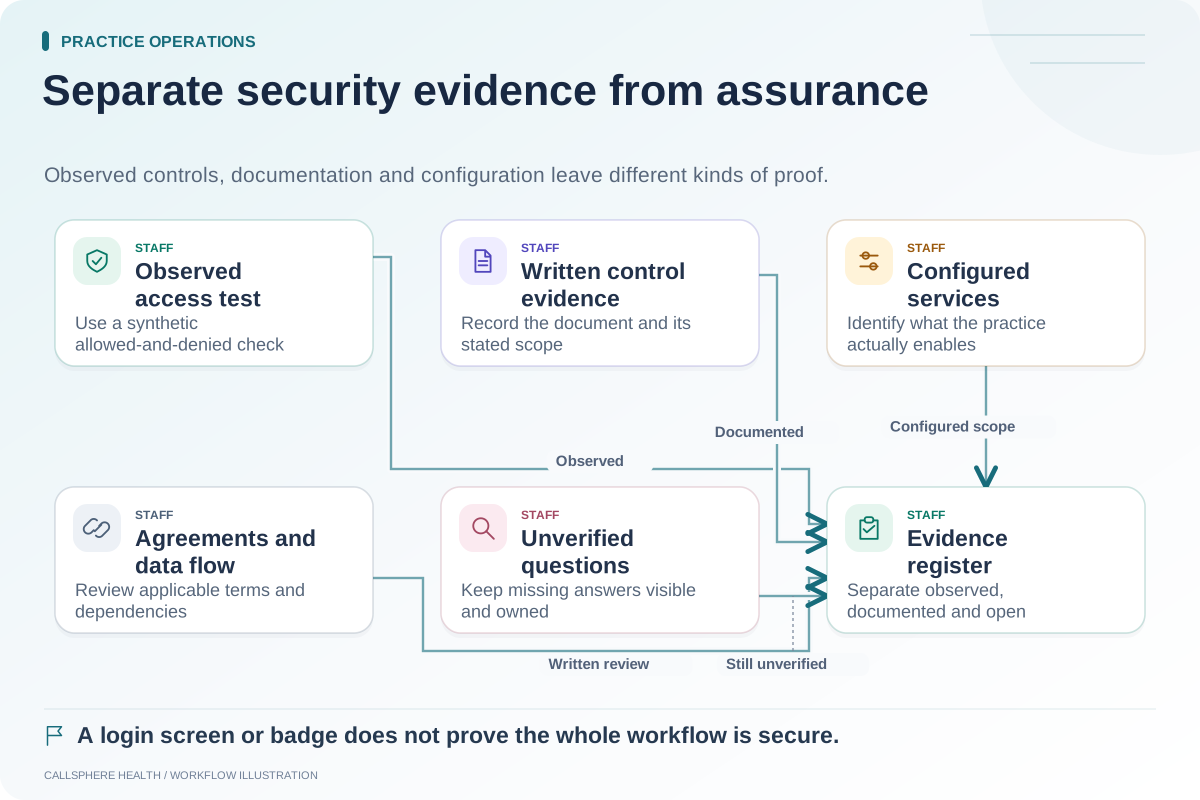
Ask evidence-based EHR security questions about roles, sessions, logs, providers and agreements in a synthetic therapy practice demonstration.
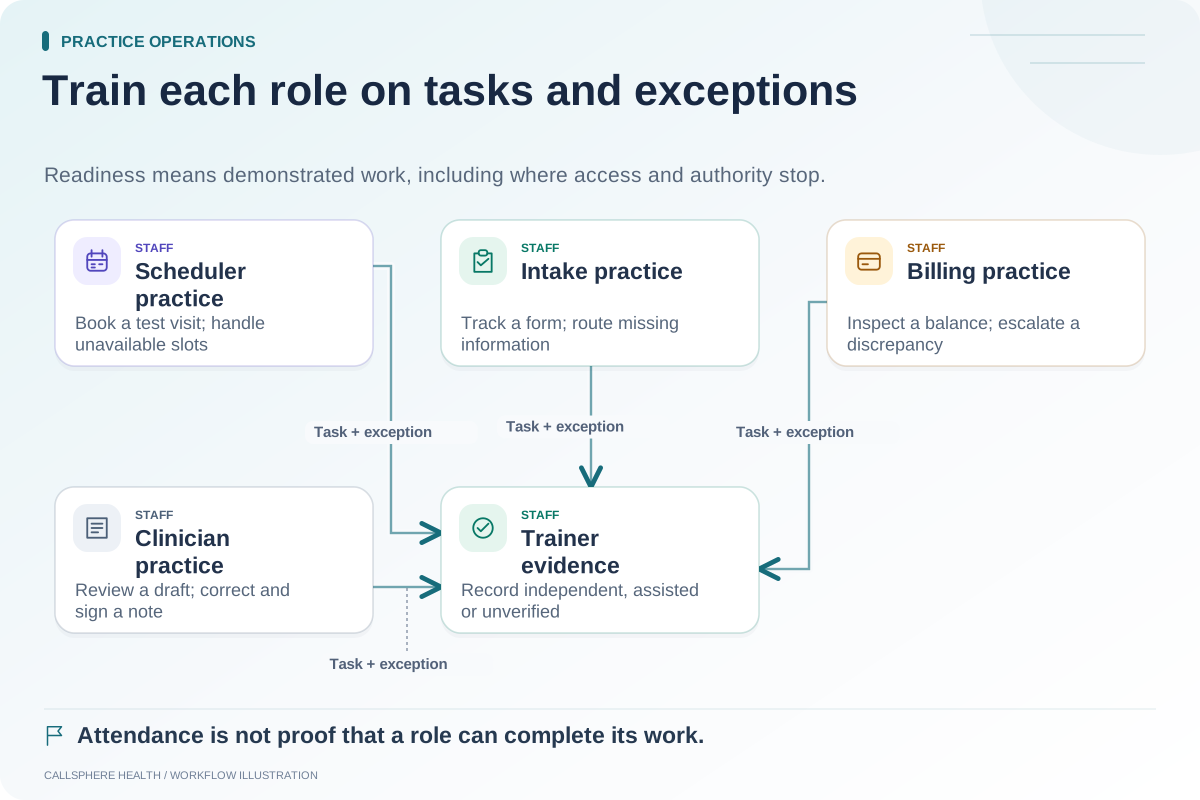
Train therapy practice staff with role-specific EHR tasks, exception exercises and observable readiness checks instead of a single generic walkthrough.
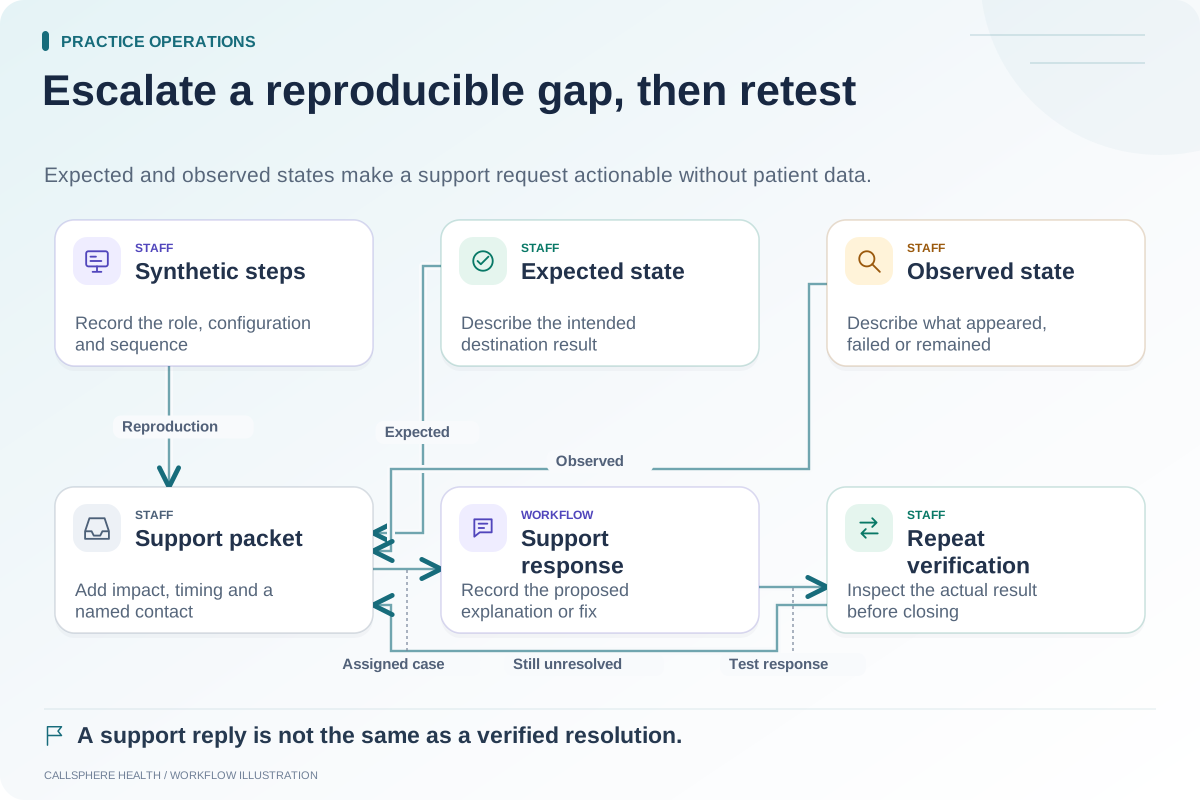
Report an EHR workflow problem with a synthetic reproduction, expected and actual states, impact and a clear support owner.
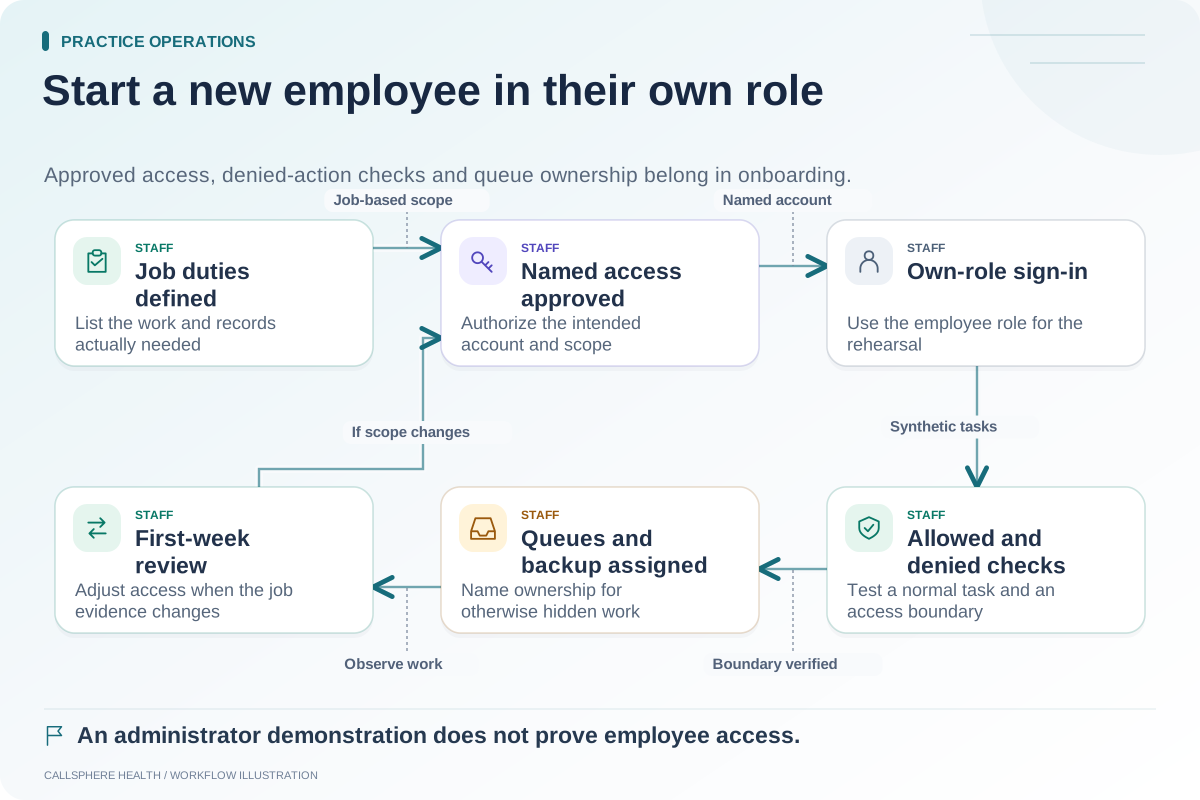
Onboard a practice employee with named account ownership, approved role access and synthetic first-week EHR checks.
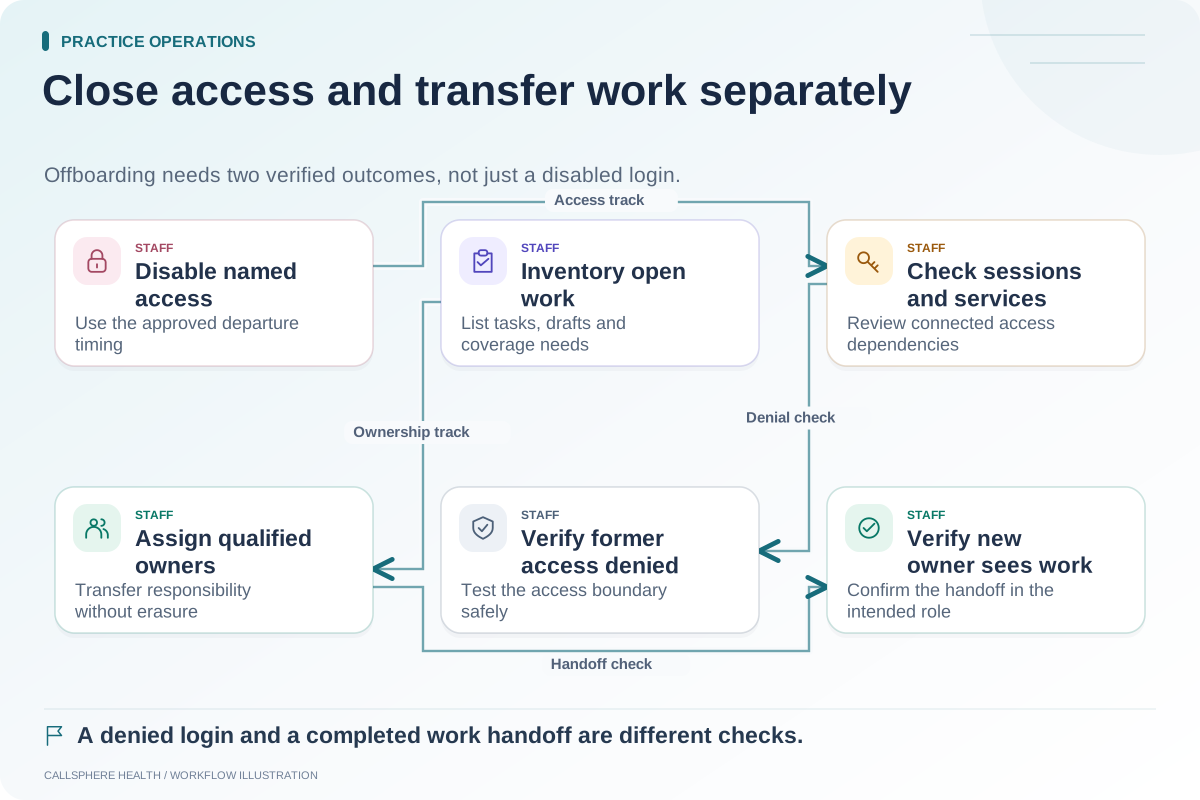
Remove departing staff access while preserving records and assigning their queues, schedules and unresolved EHR work to responsible people.
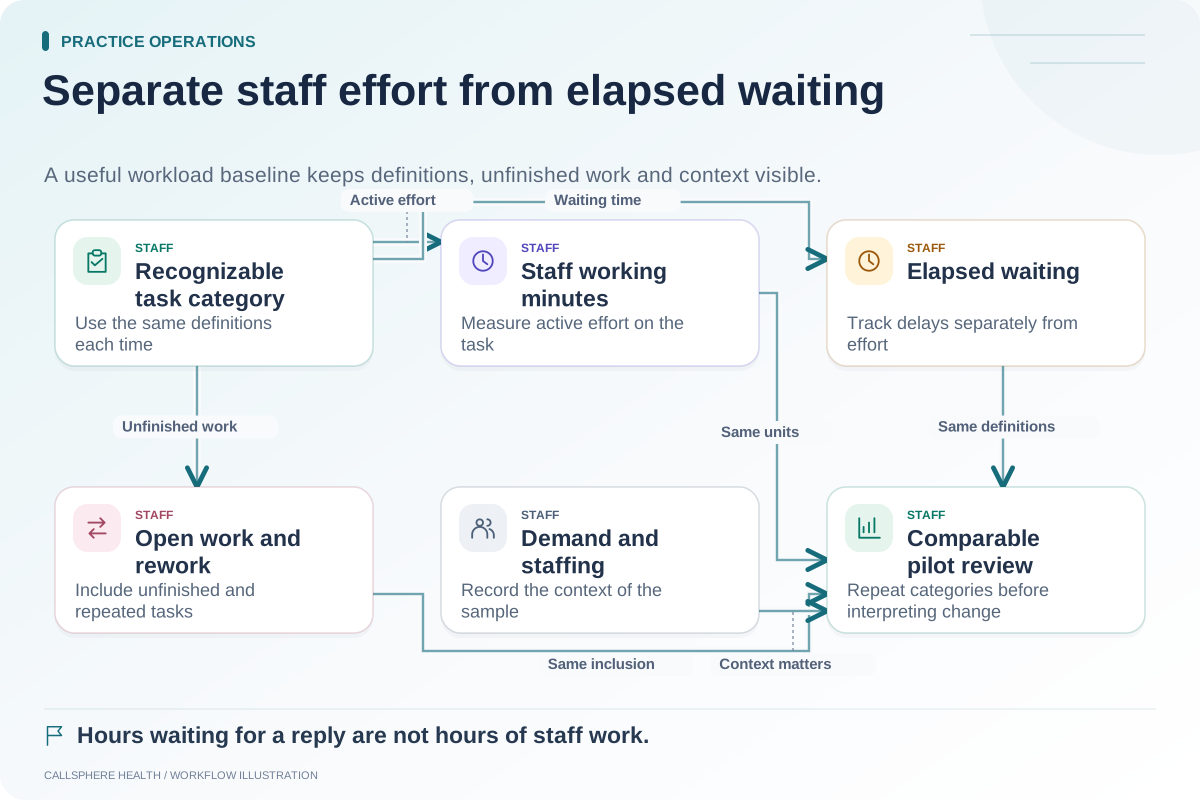
Measure therapy practice administrative work with a five-day time study, clear task categories and honest denominators before buying automation.
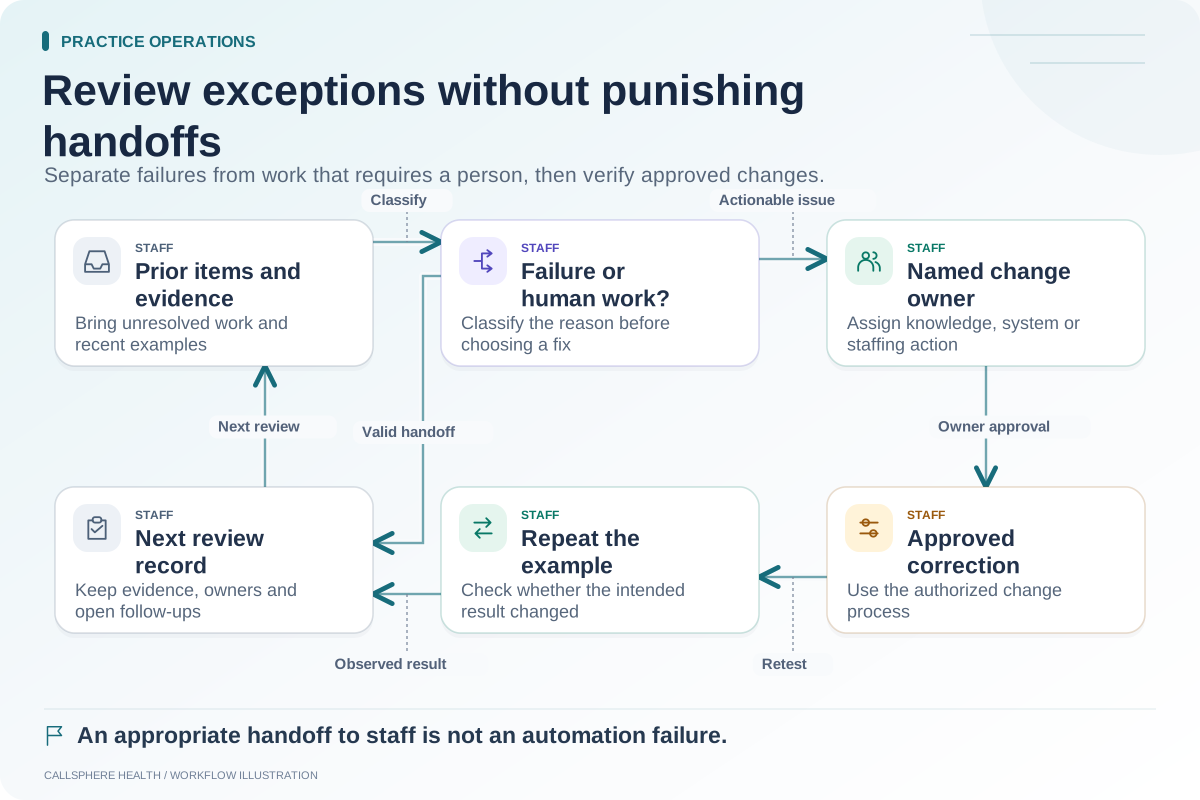
Review administrative AI exceptions each week with clear categories, owners and fixes, while separating captured requests from completed tasks.
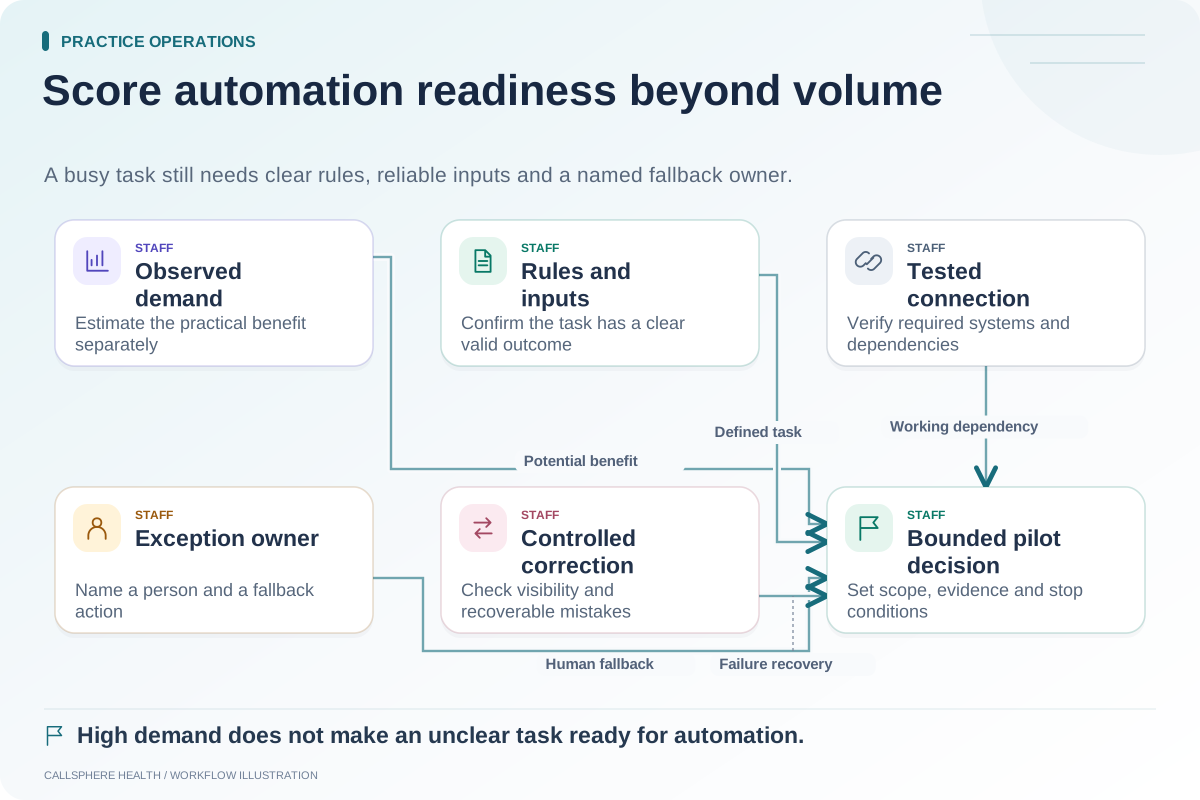
Choose a first therapy practice automation project using task frequency, rule clarity, dependencies and staff follow-up readiness.
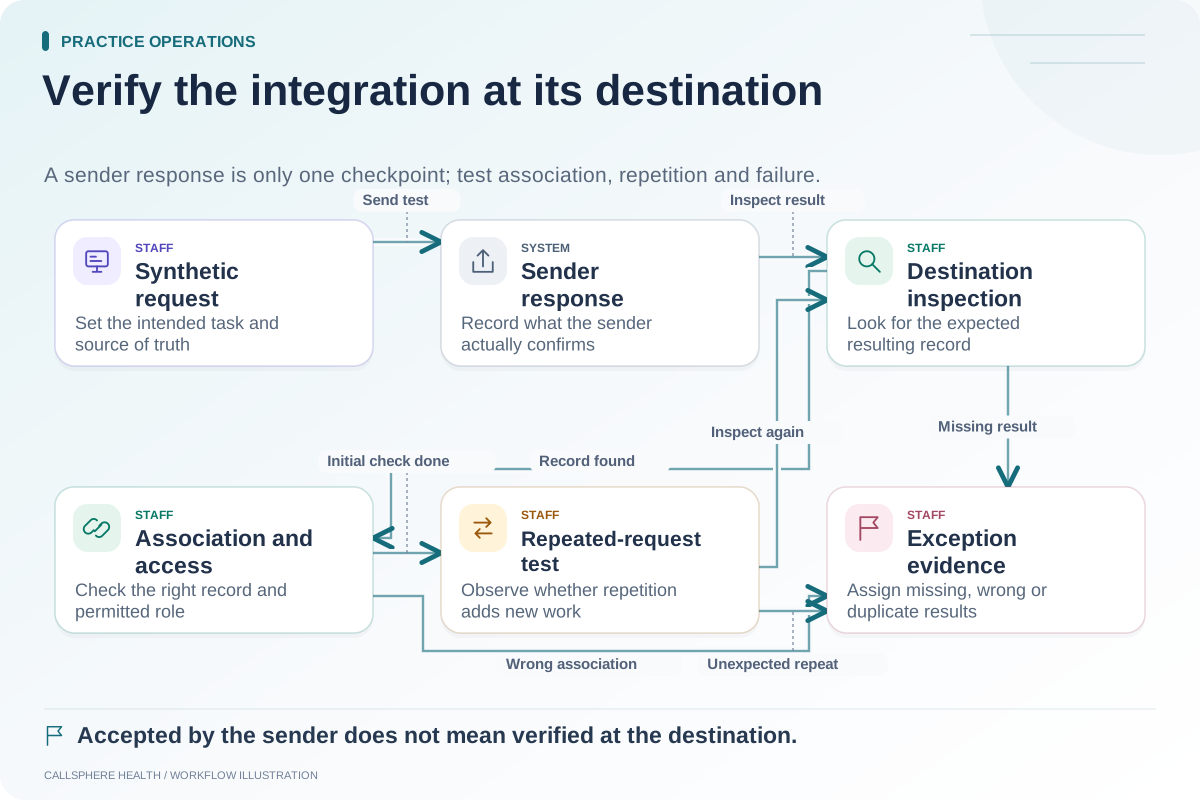
Test EHR integrations with synthetic requests, retries, failures and destination checks instead of treating a connected badge as proof.
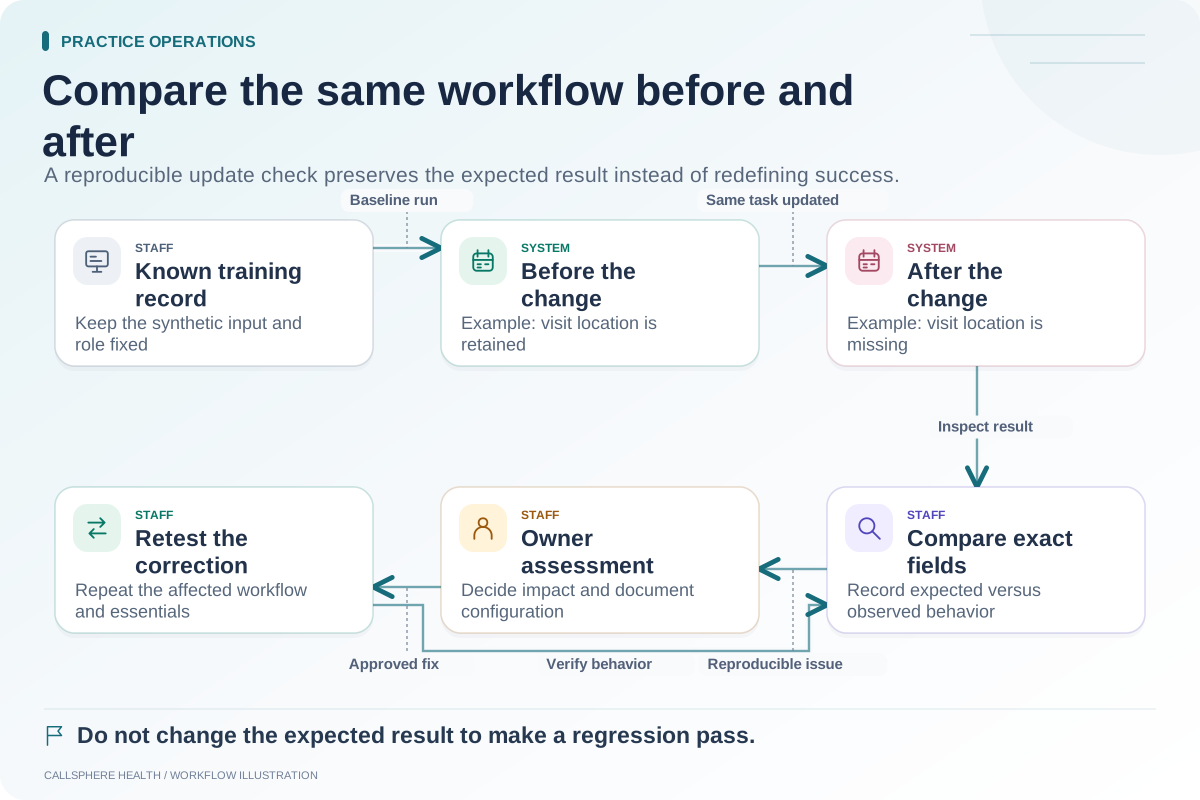
Recheck scheduling, intake, documentation, billing and permissions after a practice software update with a small synthetic regression suite.
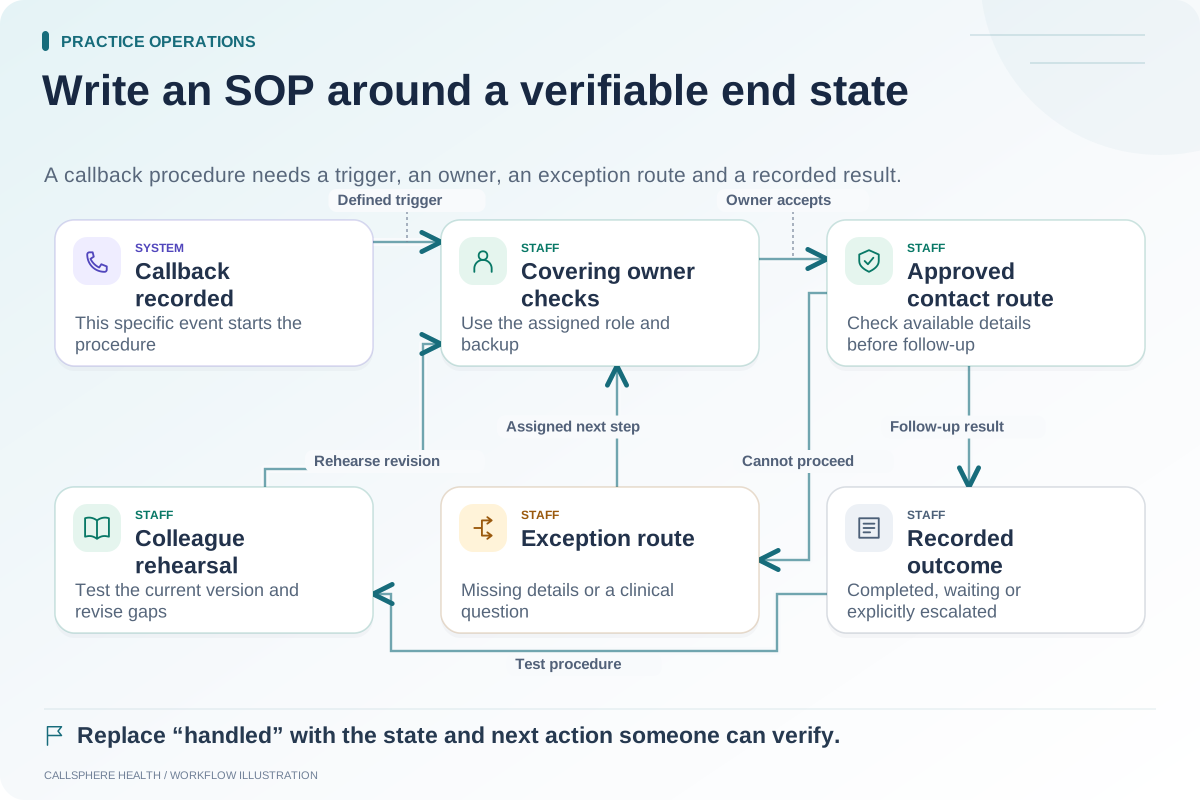
Write a practical therapy practice SOP that names the trigger, software state, staff owner, exception route and evidence of completion.
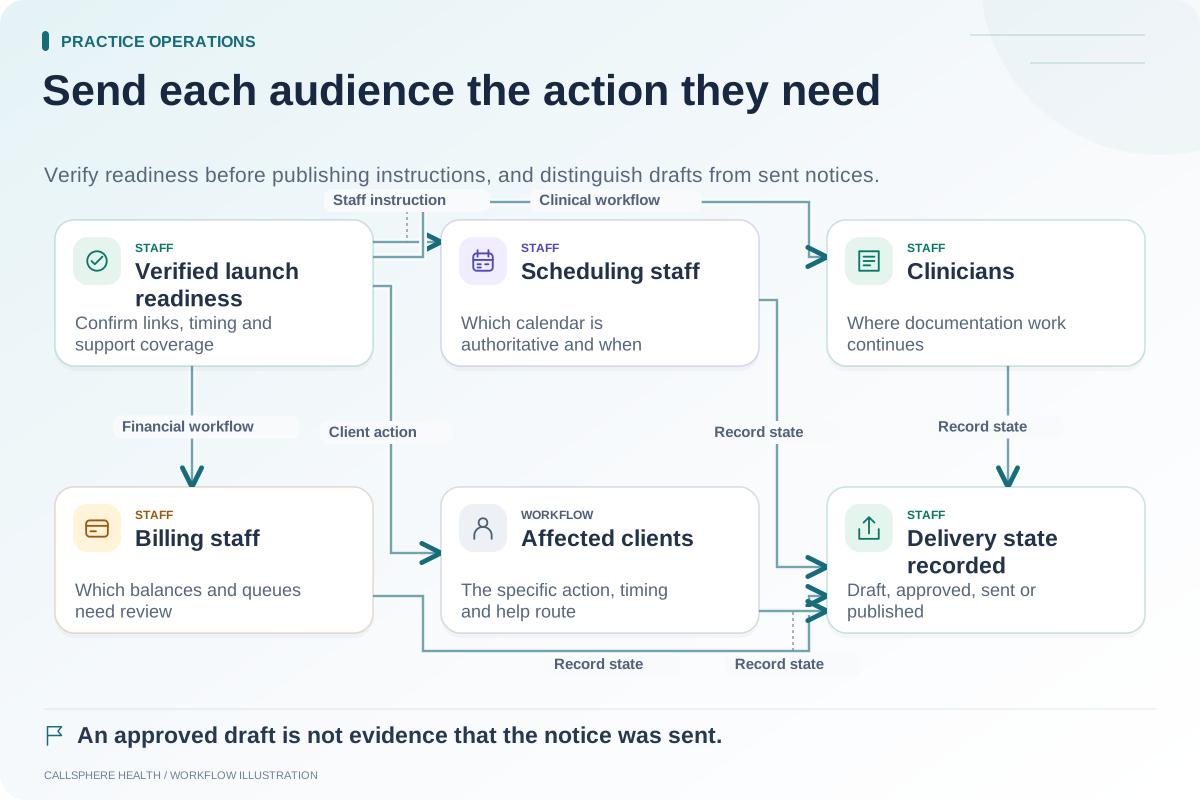
Plan staff and client communications for a therapy software change with audience-specific instructions, timing and ownership.
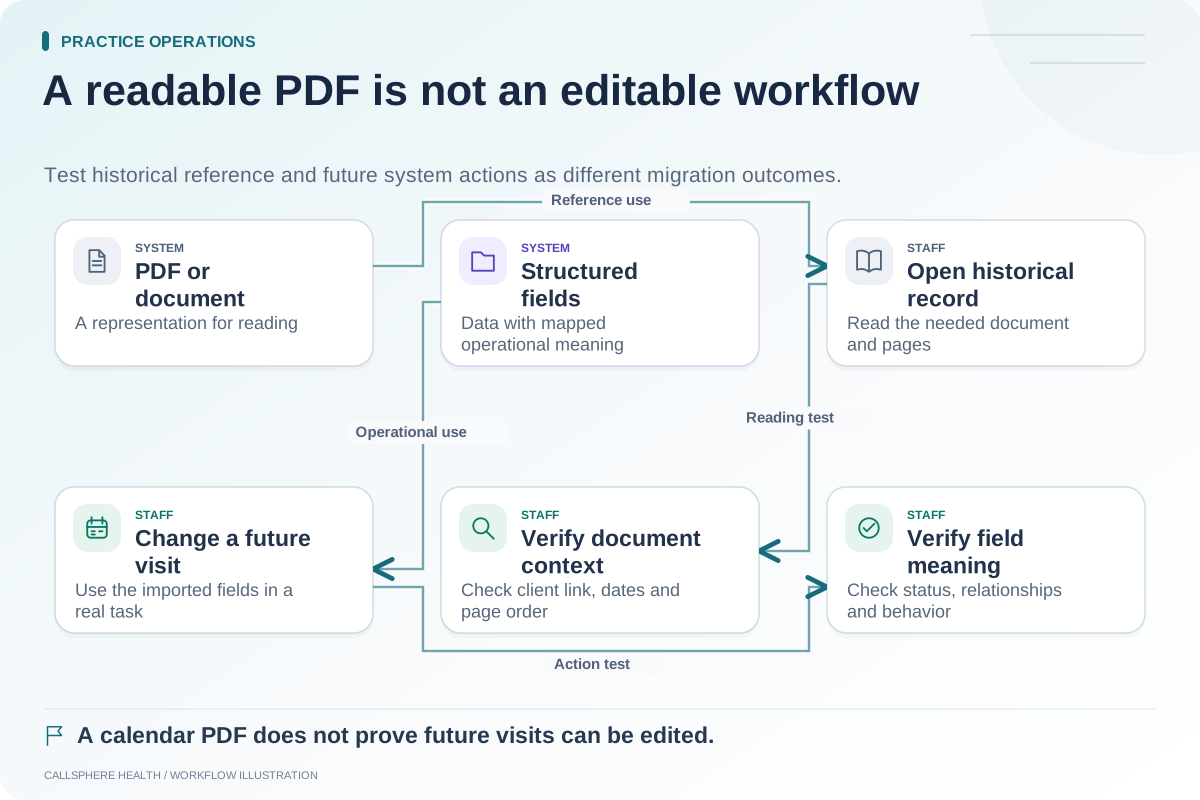
Understand the difference between transferring usable EHR fields and attaching historical PDFs, with concrete checks for therapy practice migration.
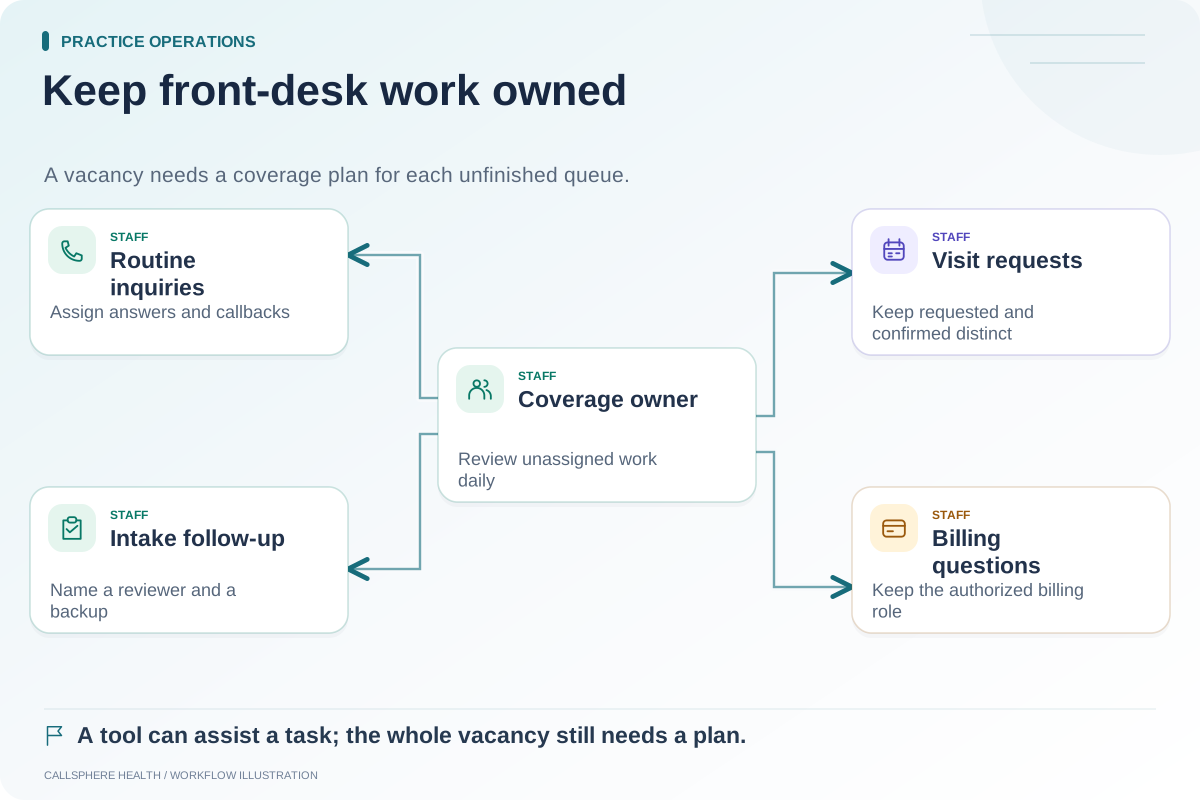
Keep administrative work moving during a front-desk vacancy using a temporary coverage map, queue ownership, and a limited automation pilot.
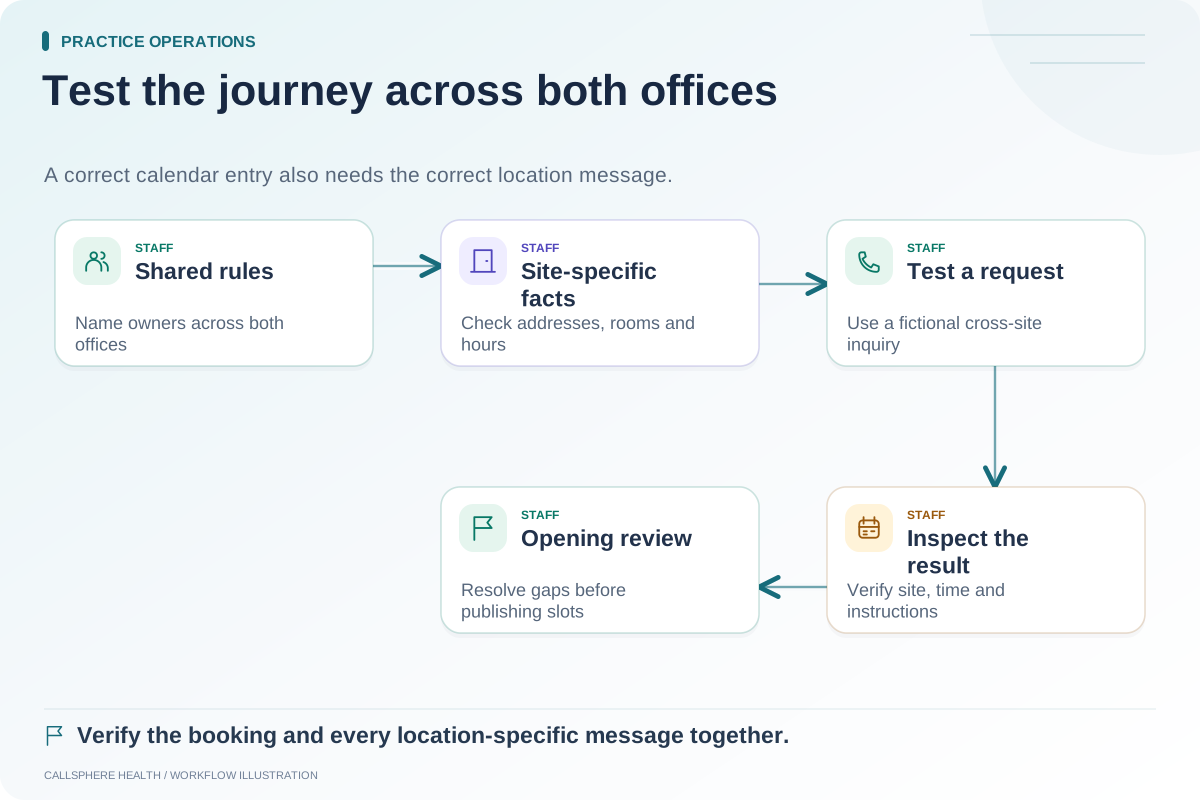
Prepare a second therapy office with site-specific booking rules, shared ownership, accurate location messages, and a tested opening checklist.
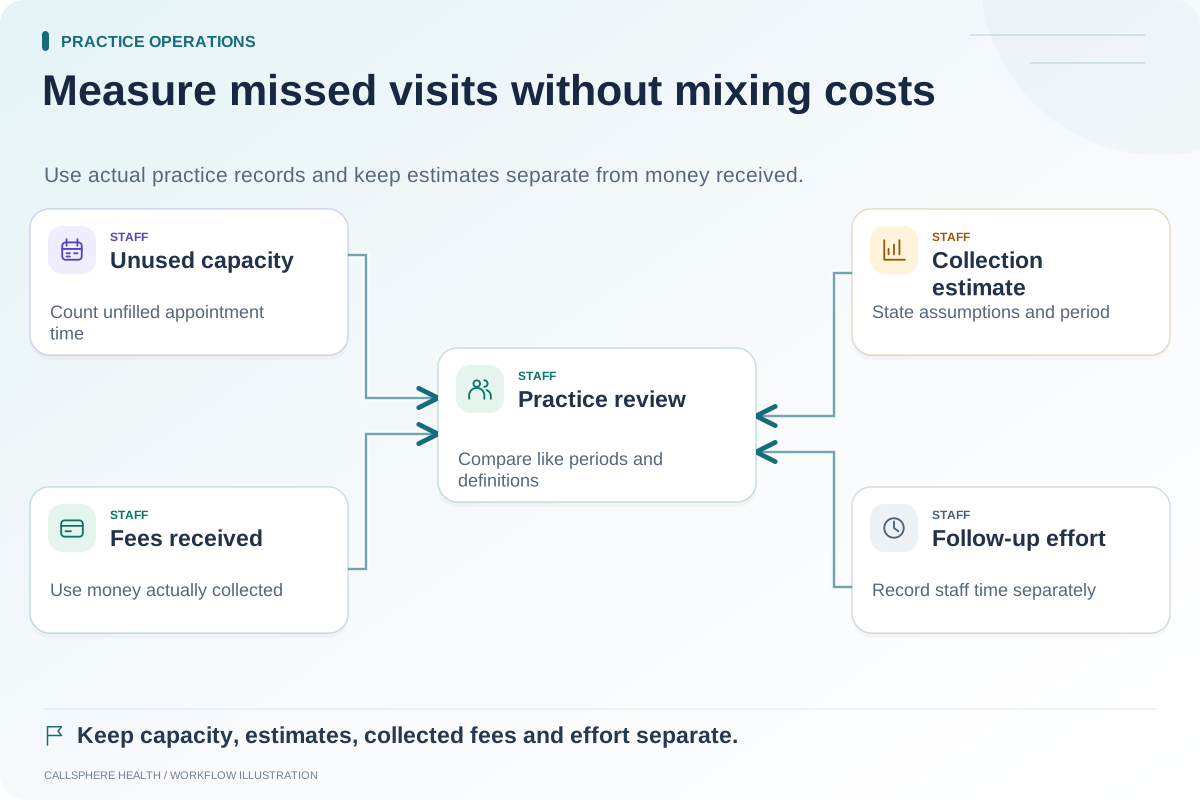
Calculate missed-appointment exposure with your own schedule and payment data, keeping hypothetical revenue, collected fees, and staff time separate.