A weekly automation review should explain why work needed human attention and what the practice will change. It is more useful than a single “automation rate” because it distinguishes appropriate staff handoffs from outdated information, configuration problems and system failures.
Keep the review focused on administrative workflow quality. Clinical decisions remain with qualified clinicians, and a short operations meeting should not become an informal review of private clinical narratives.
Use categories that lead to different actions
| Exception category | Example | Likely next owner |
|---|---|---|
| Appropriate staff decision | A billing dispute needs authorized review | Billing lead |
| Missing administrative information | Callback route is incomplete | Front desk |
| Outdated practice fact | Old office hours appear in an answer source | Knowledge owner |
| Configuration mismatch | Requested booking does not match enabled settings | Configuration owner |
| Service failure | Connected service is unavailable | Technical support |
| Unclear outcome | Request exists but completion cannot be confirmed | Workflow owner |
Do not call every handoff a failure. Some tasks should remain with people. The review should determine whether the handoff was appropriate, visible and actionable.
Prepare a small evidence set
Bring aggregate counts, a few approved synthetic reproductions or appropriately controlled internal references, and the previous action log. Avoid pasting raw transcripts into a broad meeting document. Use only the information needed to understand the administrative issue.
For each category, record the total number of eligible tasks and how outcomes were classified. A count of captured callback requests cannot be presented as completed follow-up. If a delivery or staff response was not verified, retain that uncertainty.
Follow a short meeting agenda
First, review unresolved items from the previous week. Next, look for recurring causes rather than the most memorable individual conversation. Select a small number of changes, assign owners and define how each change will be tested. Finish by confirming who monitors the affected workflow until the change is verified.
A proposed meeting record includes the issue category, evidence reference, selected action, owner, test and review date. “Improve the AI” is not an actionable assignment. “Update the approved holiday-hours entry and repeat the synthetic hours question” is.
Work through a repeated-question example
Hypothetical example: A practice observes several routine inquiries that reach staff because the approved information does not explain parking at a new location. The knowledge owner adds the current administrative information through the approved process. A reviewer repeats a synthetic question and verifies both the answer and the fallback when the location is unclear.
The team checks the following week whether the same category persists. It does not announce a savings percentage from the change without a consistent measured baseline.
Keep change authority explicit
An operations reviewer may recommend changing a response source or booking setting, but the authorized owner should approve the change. Clinical questions should not be converted into automated answers simply because they create handoffs. Likewise, a billing dispute should not be resolved by an AI-generated promise that staff have not approved.
NIST's AI Risk Management Framework, reviewed September 9, 2026, is background reading for ongoing AI evaluation. The meeting structure in this article is an original practice proposal, not a prescribed standard.
Connect review findings to product evidence
CallSphere's AI receptionist can support routine administrative work and staff follow-up, subject to configuration. Use the capabilities overview to distinguish documented actions from unverified delivery or transfer outcomes.
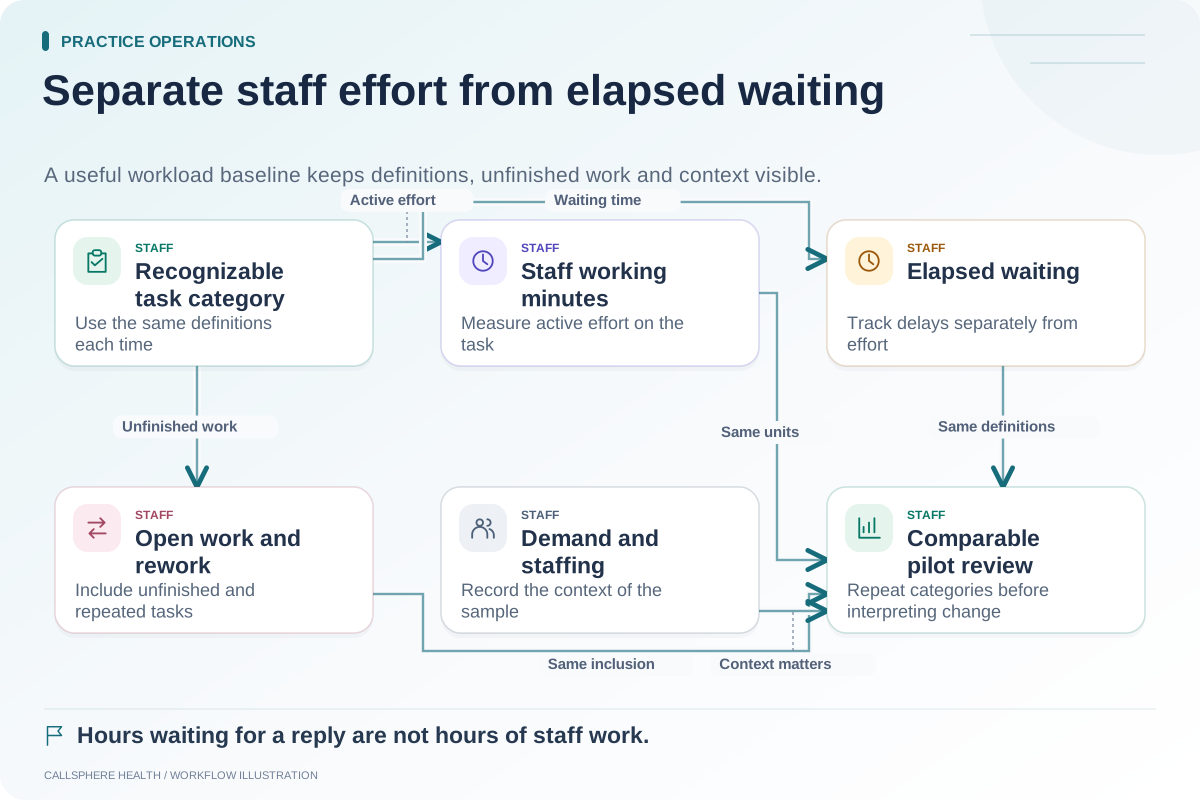
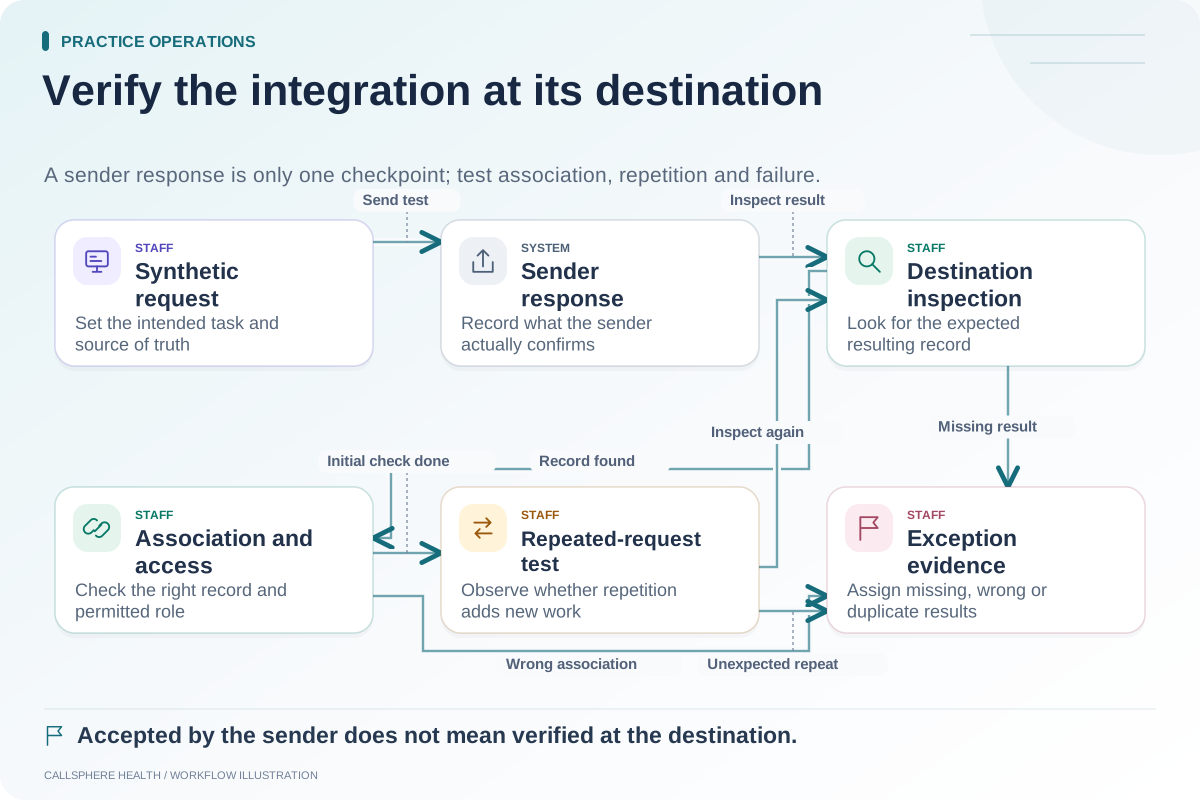
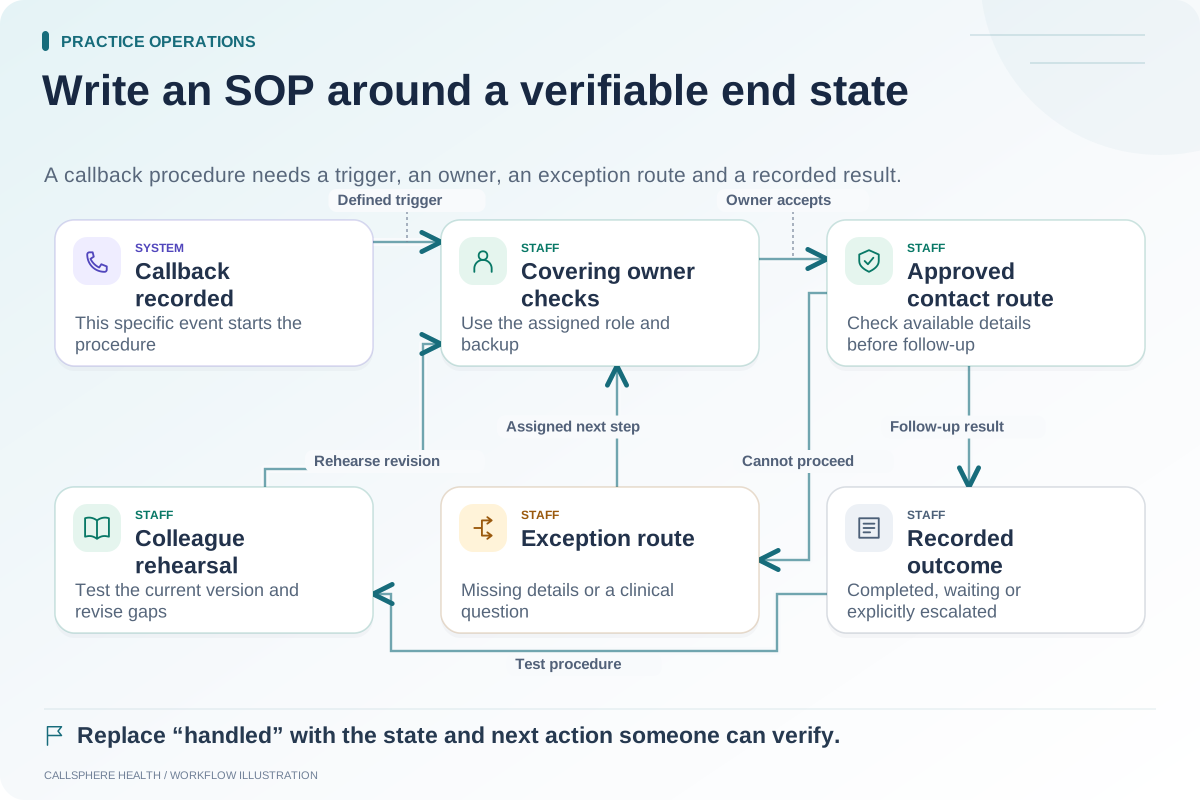
Start with a workload baseline, maintain a workflow SOP and repeat the relevant integration test after a correction. The operations and migration library contains related implementation guides.