An AI phone greeting for a mental health practice should identify the practice, disclose the automated assistant, explain the administrative help available, and give callers a clear way to seek staff assistance. Keep it short enough that someone can understand it on the first listen. Avoid promising a live transfer or a completed action before the system has evidence it can deliver.
The greeting is an operational instruction, not a marketing pitch. Its job is to help a caller choose the right next step while setting an accurate expectation about the conversation.
Decide what this phone route actually does
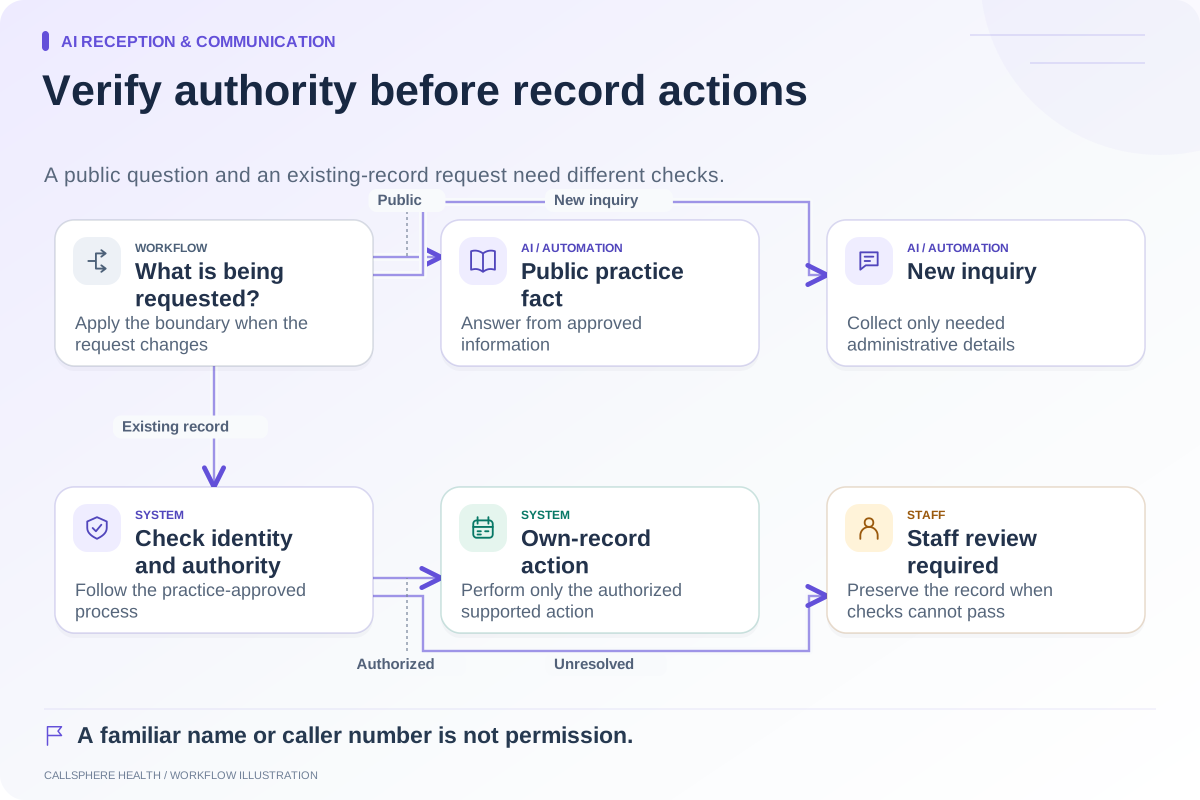
Before writing, list the supported actions on the intended number. It may answer routine questions, check configured availability, record a callback request, or assist with supported appointment changes after identity checks. Some actions may depend on practice hours, telephony setup, or connected-service availability.
Ask the staff who own the route to approve the list. If the tool cannot complete something, the greeting can offer a staff request instead of implying that the action is automatic.
CallSphere Health's optional AI front desk supports configured routine phone inquiries and administrative actions. Its current handoff capability includes callback requests and configured contact information; a live warm transfer is not established. Review the capability overview before adapting any example below.
Three hypothetical greeting examples
These are fictional starting points for practice review, not production-ready legal or clinical scripts.
Routine administrative route: “Thank you for calling Example Counseling. I'm the practice's automated assistant. I can help with routine office questions and supported appointment requests. If you would like staff follow-up, tell me you want a callback.”
After-hours message route: “You've reached Example Counseling outside staffed office hours. I'm an automated assistant for administrative questions. I can record a callback request for the practice team. An appointment is not confirmed unless I give you a confirmed booking result.”
Limited scheduling route: “Thank you for calling Example Counseling. I'm an automated assistant that can help check the practice's configured booking options. Some requests need staff review. You can ask for the practice's staff contact route at any time.”
Replace the practice name, supported actions, and follow-up language with verified details. Do not add a response-time promise unless staff have agreed to the operating process behind it.
Give the greeting four parts
| Part | Purpose | Common problem to avoid |
|---|---|---|
| Practice identity | Confirms the caller reached the intended organization | An ambiguous generic greeting |
| Automation disclosure | Sets an honest expectation | Implying a human staff member is speaking |
| Administrative scope | Helps the caller ask a supported question | “I can handle everything” |
| Staff route | Preserves a path outside automation | Promising an unavailable live transfer |
The exact phrasing can vary. The four jobs should remain clear, particularly when the practice offers different phone routes for different purposes.
Keep clinical boundaries understandable
Do not introduce the assistant as a therapist, clinical evaluator, or emergency response service. If the practice needs clinical or emergency contact guidance, have appropriate staff review the wording and ensure it matches the actual route. Avoid presenting the AI as able to recognize every urgent situation or contact emergency services automatically.
A greeting cannot carry every policy. Use concise scope language at the opening and additional approved guidance when the request requires it. CallSphere Health's administrative AI does not provide diagnosis, therapy, medical advice, or clinical triage.
Test the greeting as audio
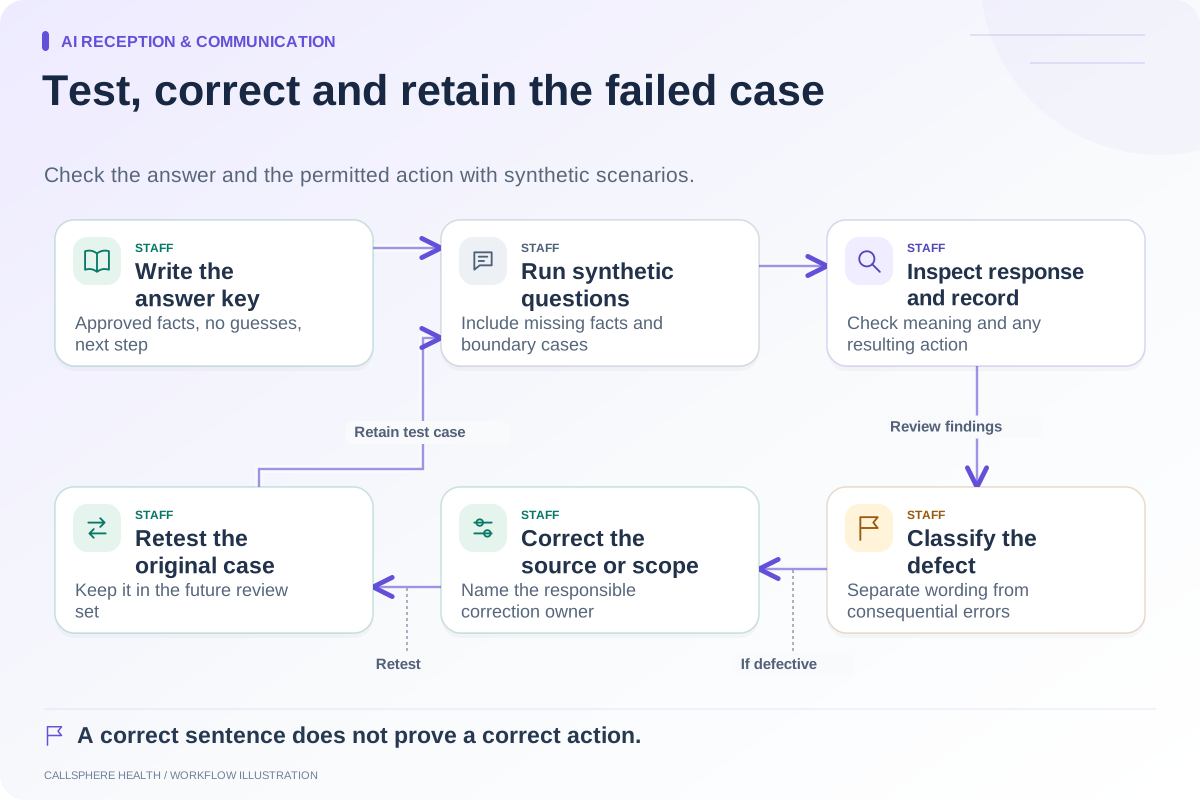
Read the draft aloud at an ordinary pace. Ask a colleague unfamiliar with the script to repeat what the assistant can do and how to reach staff. If the listener cannot answer, shorten or clarify the wording.
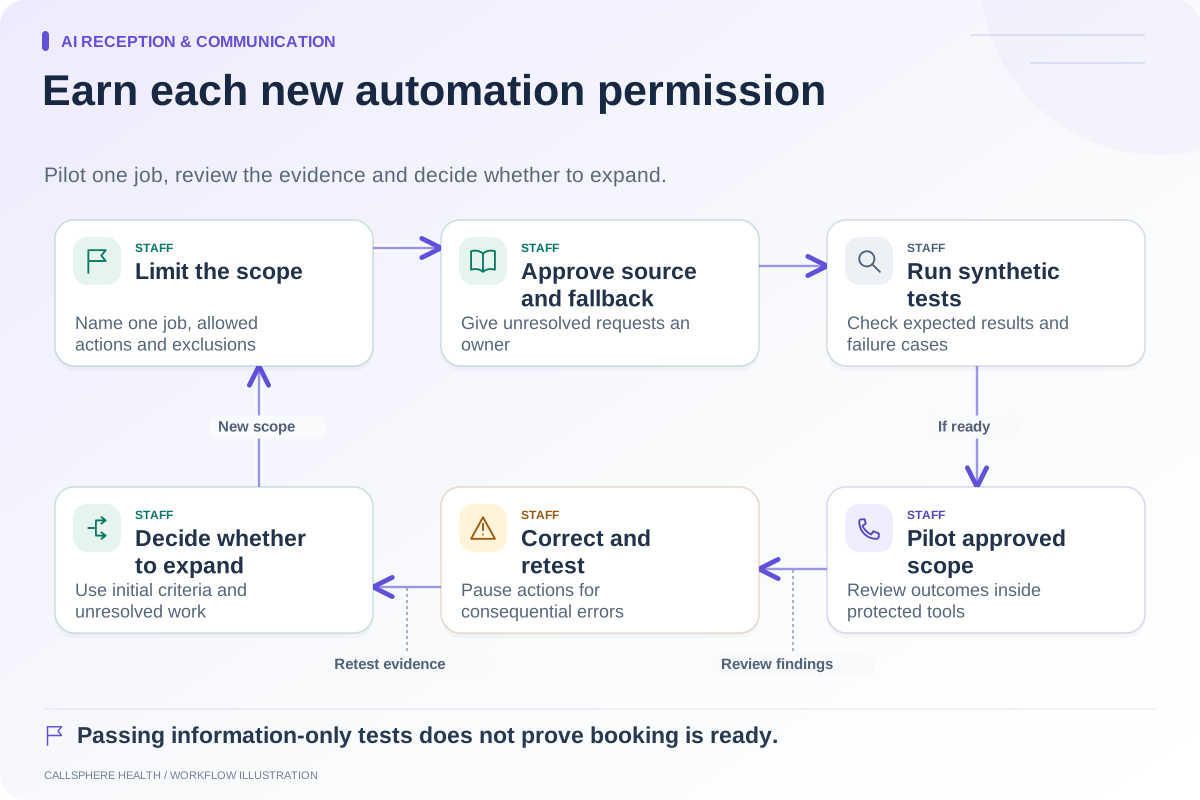
Then test interruptions, a request for a person, and a routine question using controlled test numbers. Confirm that the actual behavior agrees with the greeting. If the caller asks for a callback, inspect the recorded request rather than assuming the closing sentence proves success.
HHS's voicemail and reminder guidance is a useful source when reviewing later messages and callback content. It is not a required greeting template. Source reviewed September 9, 2026.
Maintain the script when the workflow changes
Assign an owner and an effective date. Recheck the greeting when hours, supported services, booking rules, or staff routes change. Keep a copy of the tested version so the practice can identify what callers heard during a particular period.
Use the after-hours workflow guide and AI receptionist overview to connect the greeting to a real operating process. Clear words are valuable because they describe a clear workflow behind them.
Browse more guides to AI reception and communication.