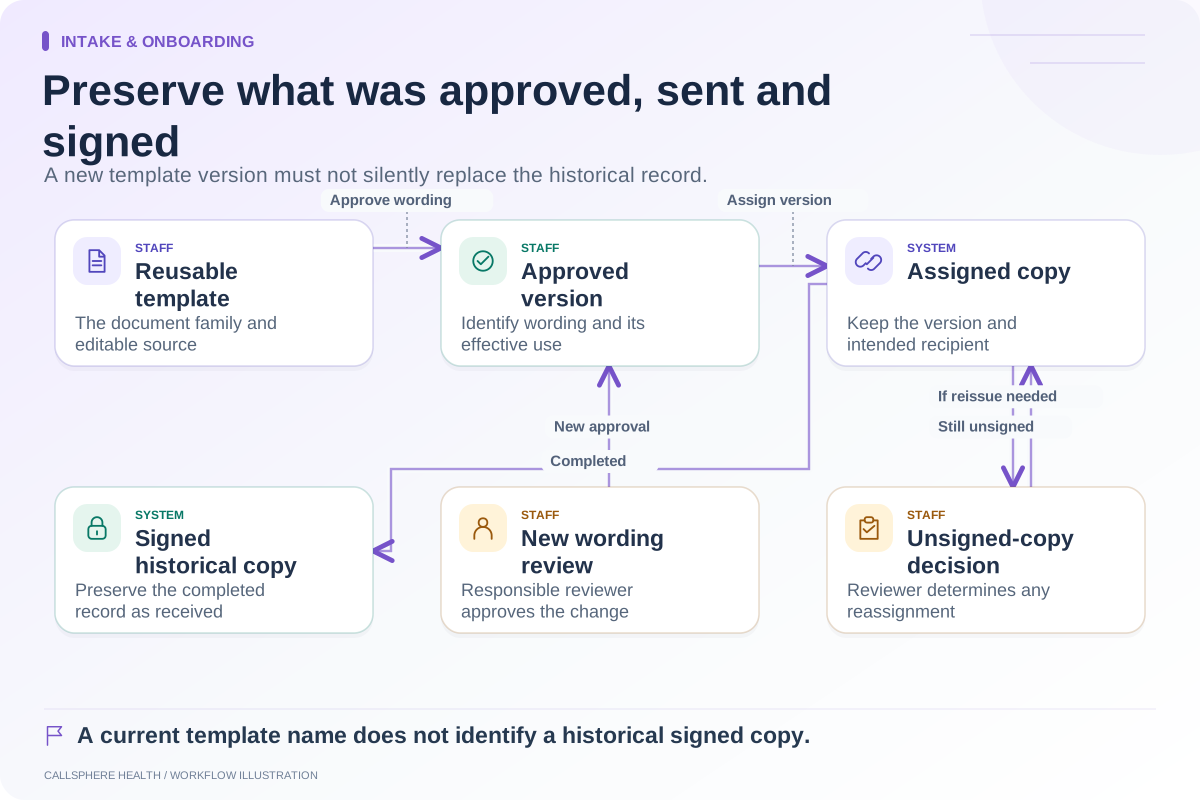
Workflow · reduced motion
Track consent form versions during patient onboarding
Create a consent-document version register that separates approved templates, assigned copies, signed records and staff review of replacements.
4 min read
The Therapy Practice Playbook
Practical guidance for mental and behavioral health teams navigating scheduling, intake, documentation, billing, growth and front-office workload—with responsible ways to use AI. See how CallSphere works.
105 articles
Create a consent-document version register that separates approved templates, assigned copies, signed records and staff review of replacements.
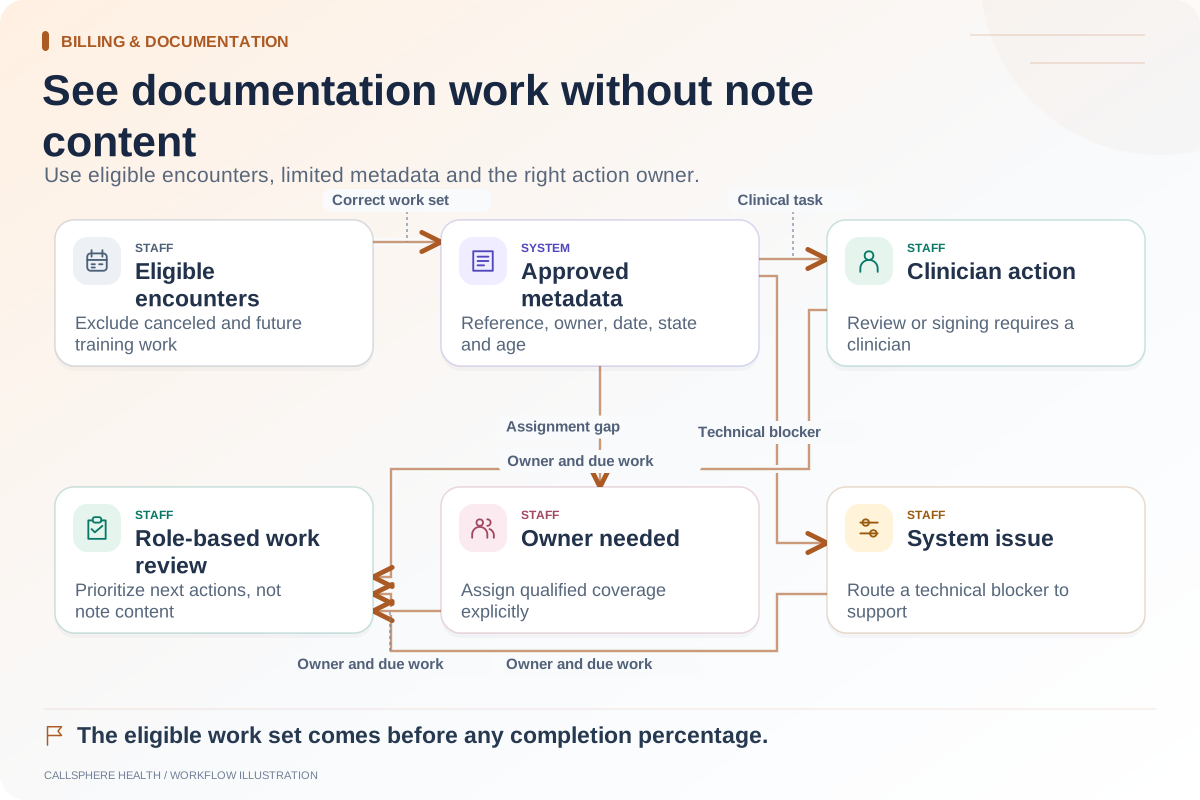
Design a role-appropriate documentation backlog using statuses, dates and ownership, with no clinical narrative in the operations report.
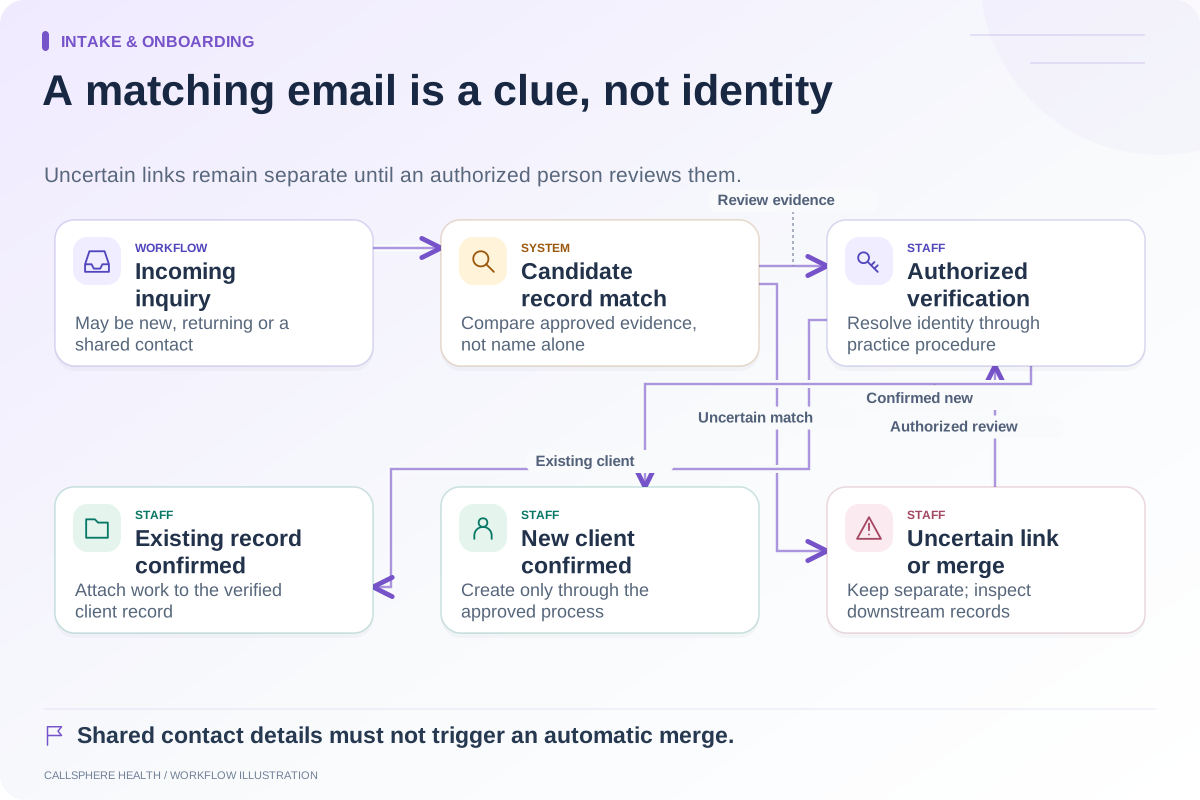
Use a record-matching checklist at intake to prevent duplicate client records, preserve uncertain matches and route merges to authorized staff.
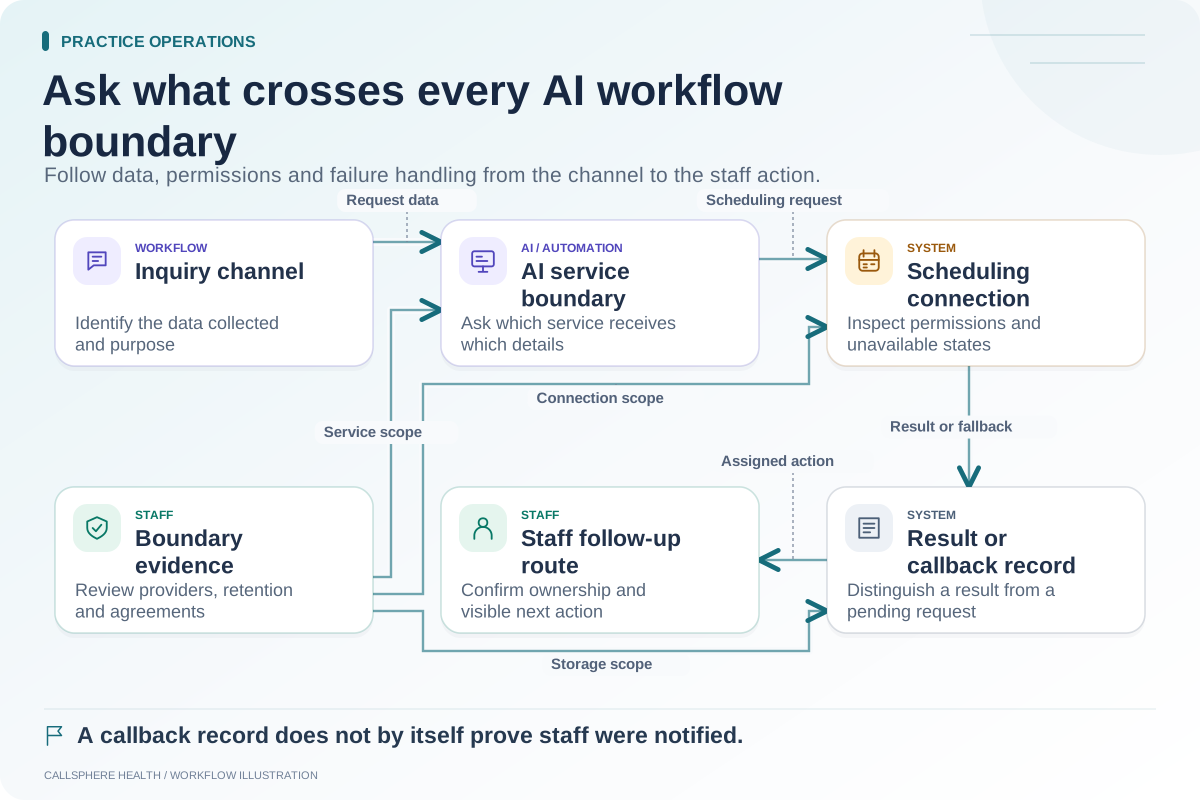
Map the information exchanged by an EHR and administrative AI workflow, including channels, services, permissions and unresolved data-flow questions.
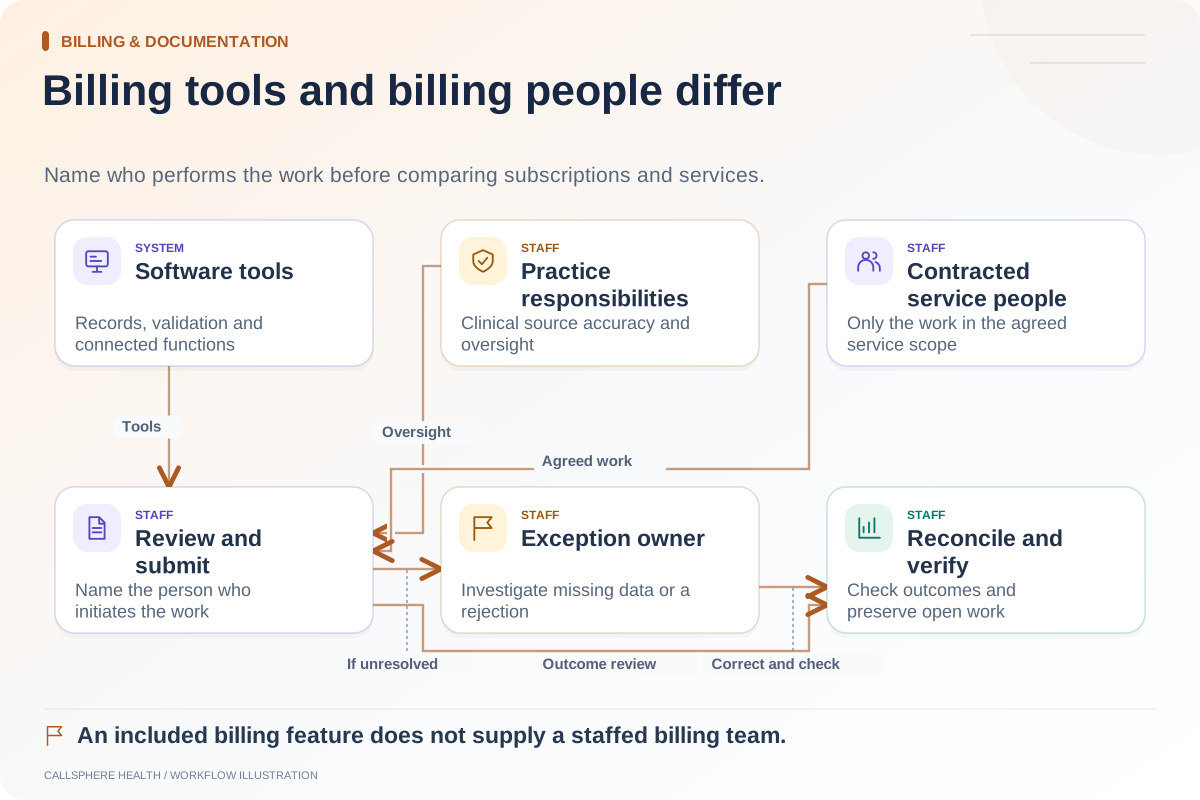
Compare EHR billing software with a billing service using a task-ownership matrix for submission, corrections, reconciliation and follow-up.
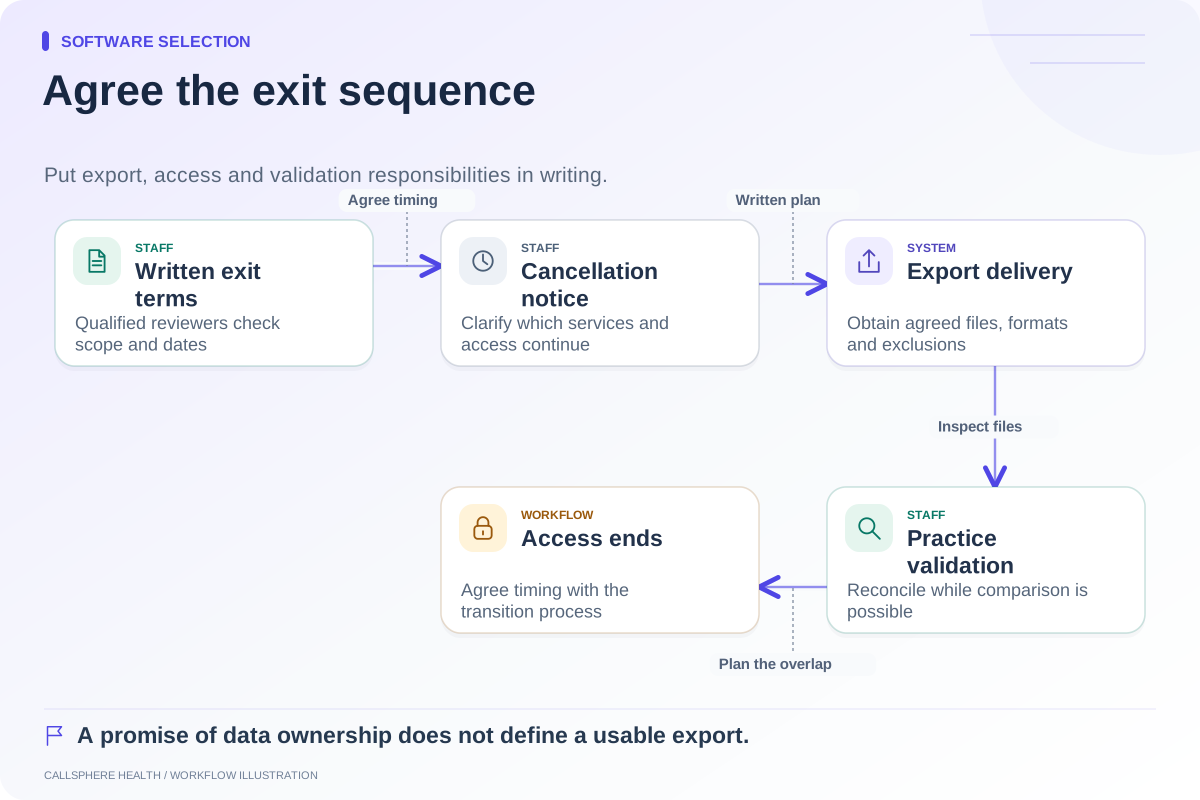
Ask practical EHR contract questions about exports, service scope, cancellation, support, data handling, and transition responsibilities before signing.
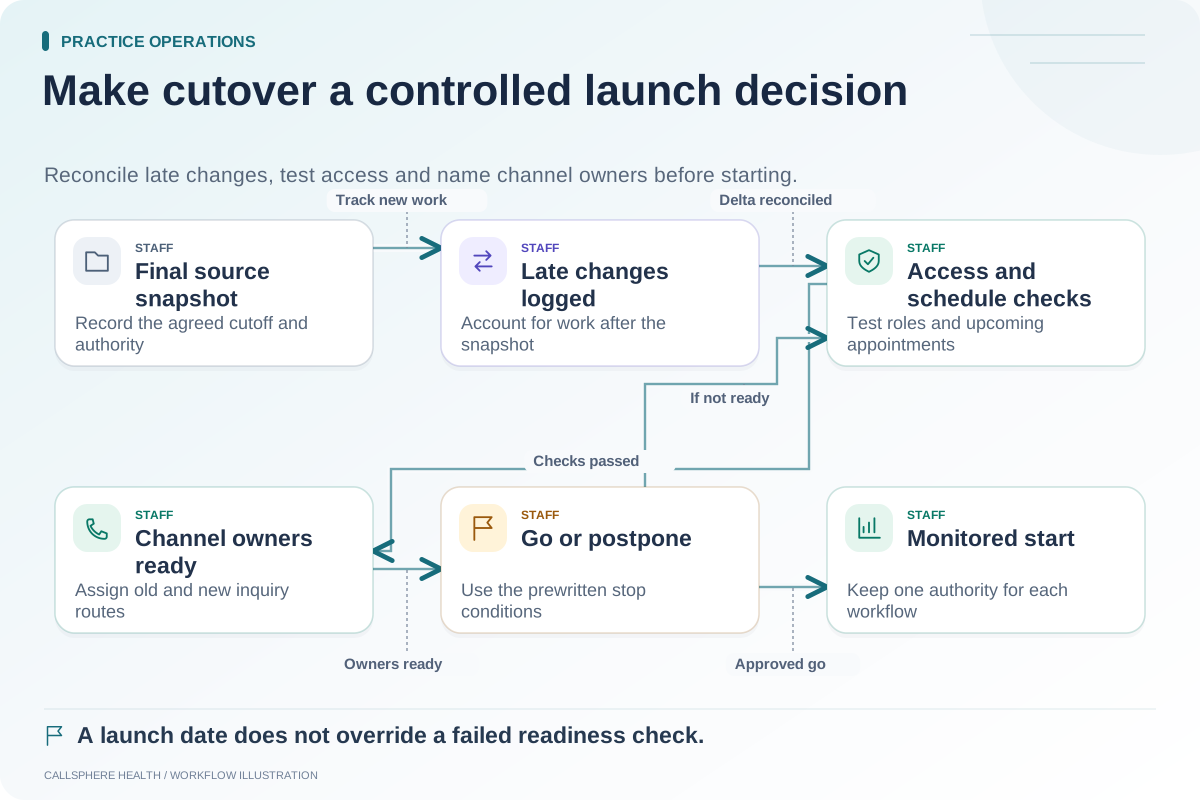
Use a therapy EHR cutover runbook with a final change check, role tests, go/no-go criteria and a named owner for each launch task.
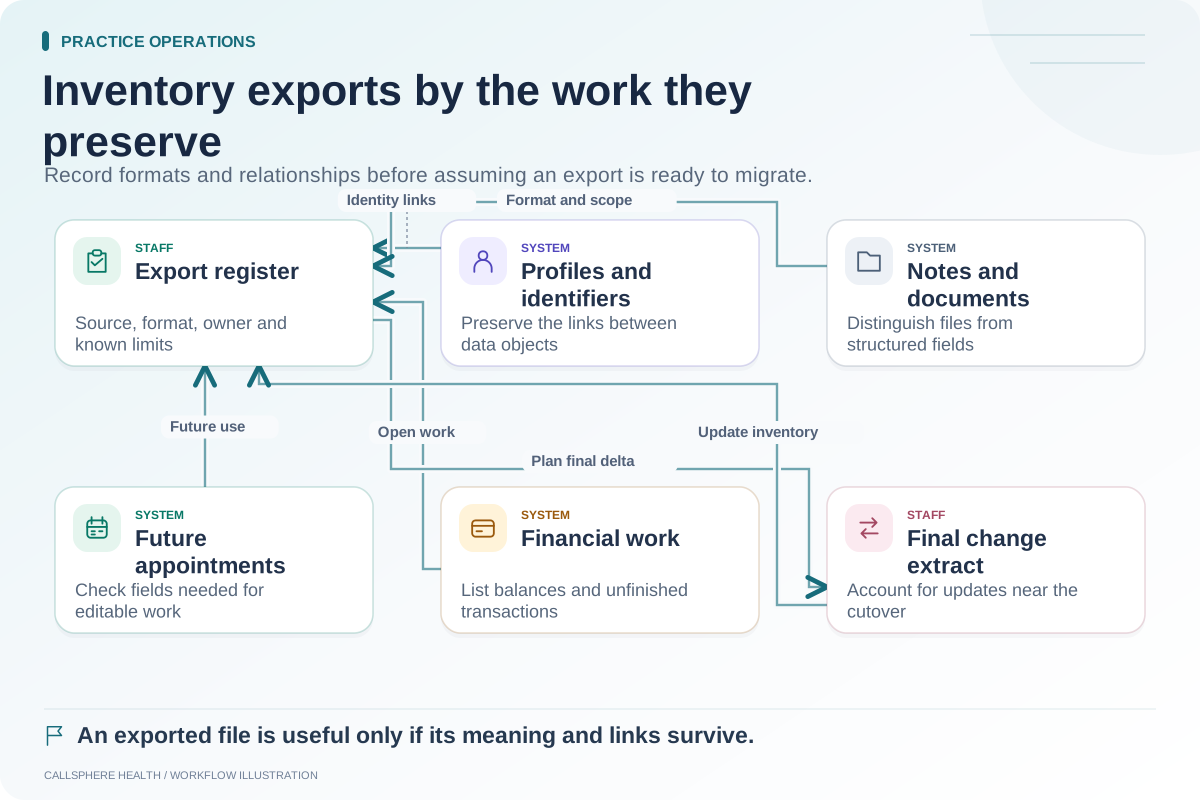
Inventory records, documents, future appointments and balances before replacing a therapy EHR, using a clear export register and acceptance questions.
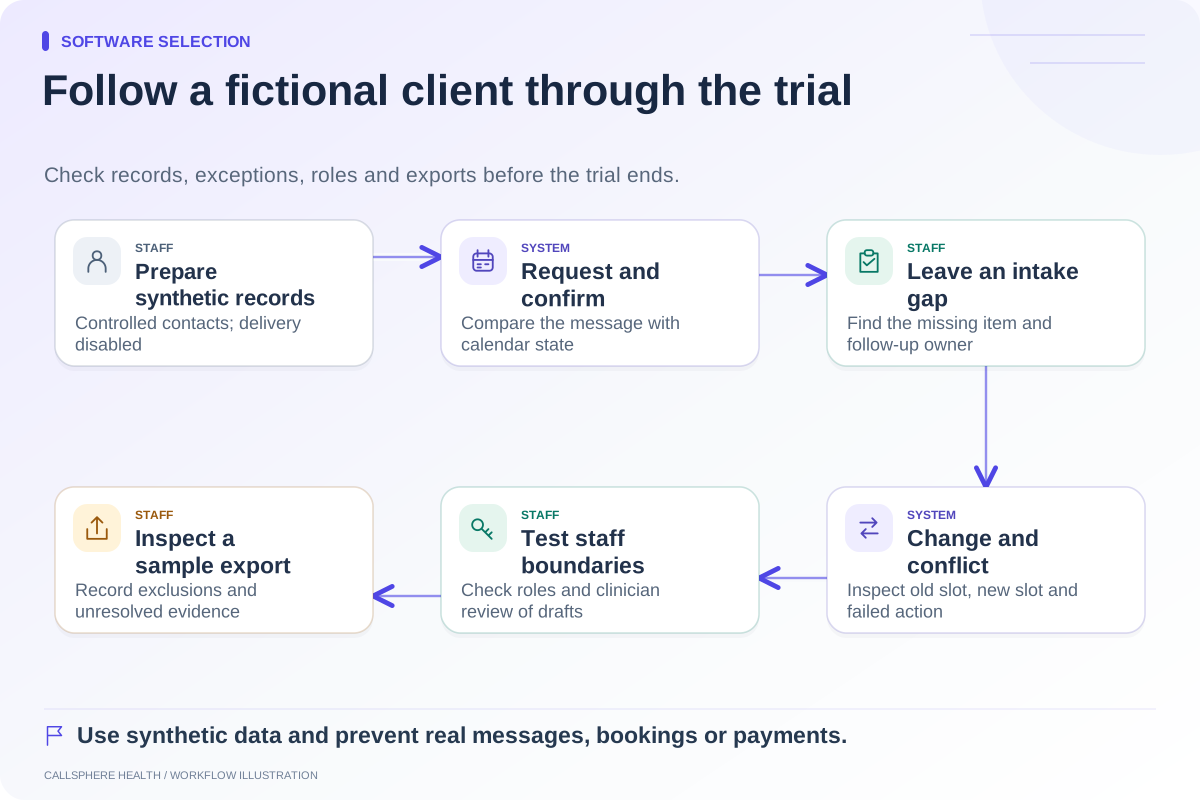
Use a synthetic EHR trial plan to verify scheduling, intake, permissions, exports, and failure handling without contacting real clients.
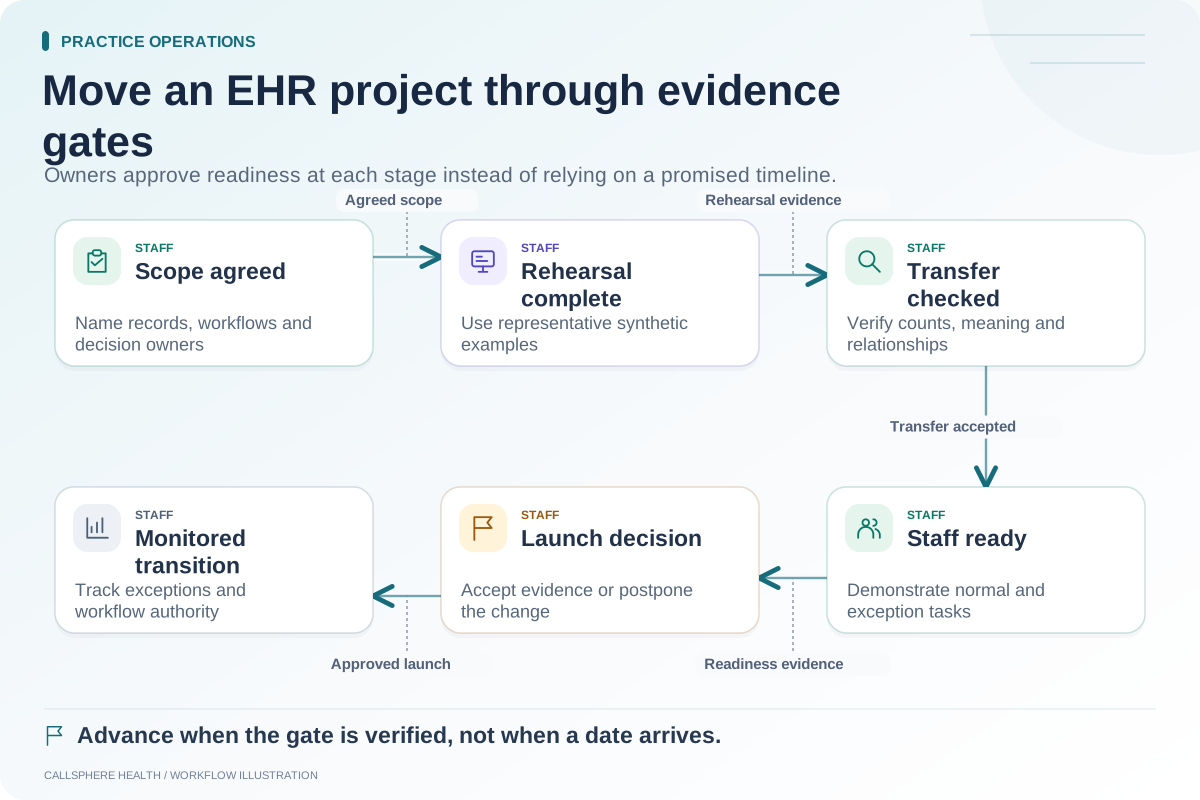
Plan a therapy practice EHR migration with owners, rehearsal, reconciliation and launch gates before selecting a cutover date.
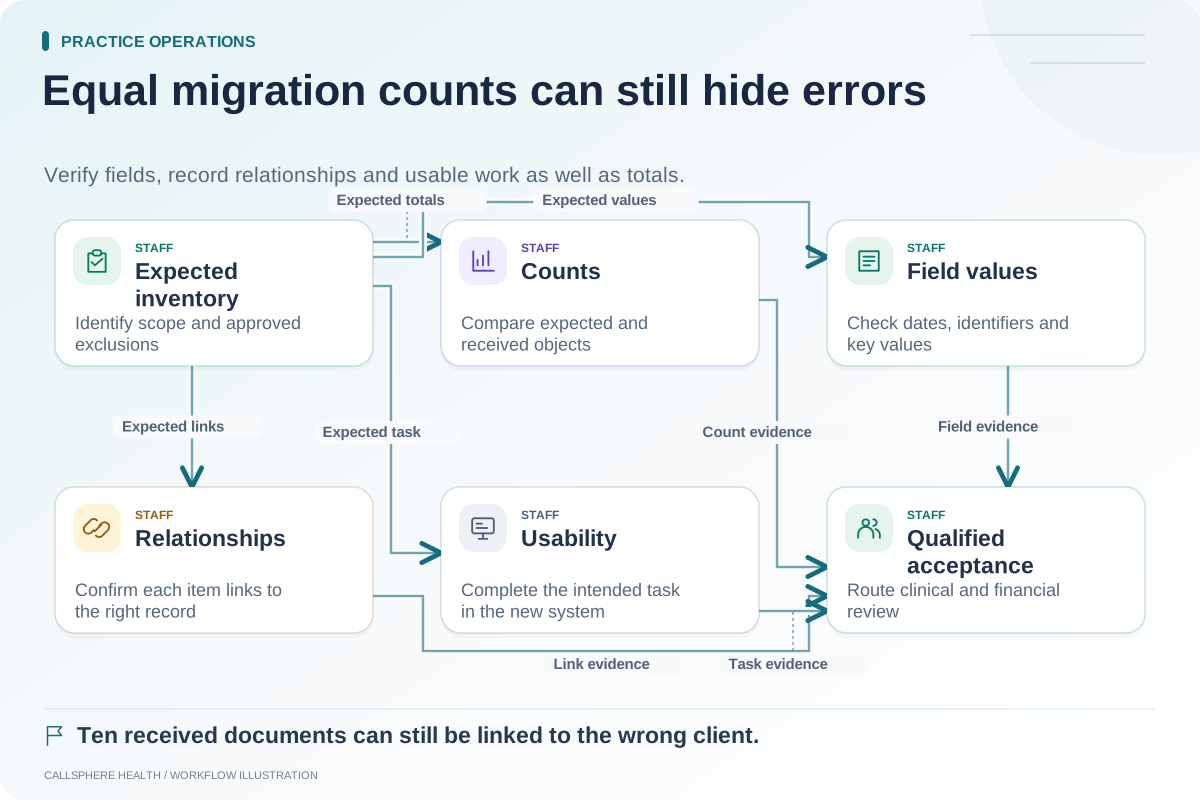
Check an EHR migration with count, field, relationship and document reconciliation before your therapy practice relies on the transferred records.
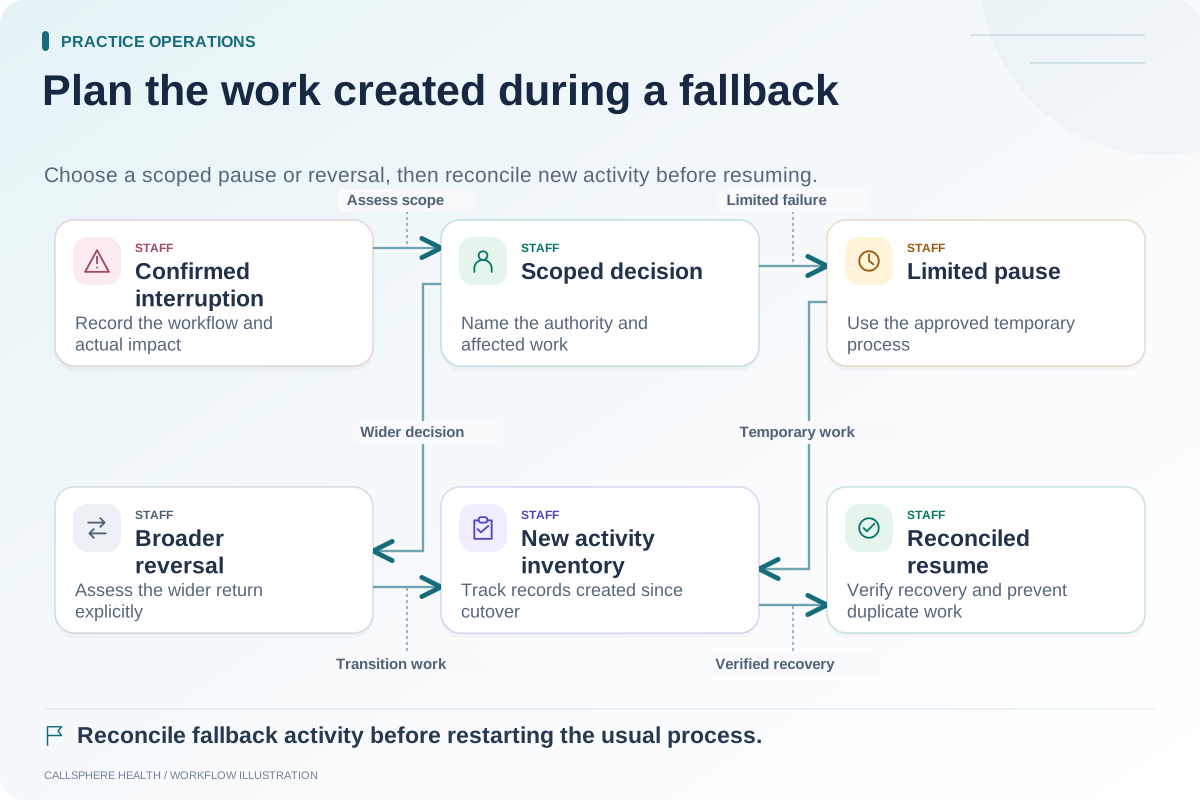
Prepare an EHR migration fallback with clear triggers, decision authority and a method to reconcile work entered after cutover.
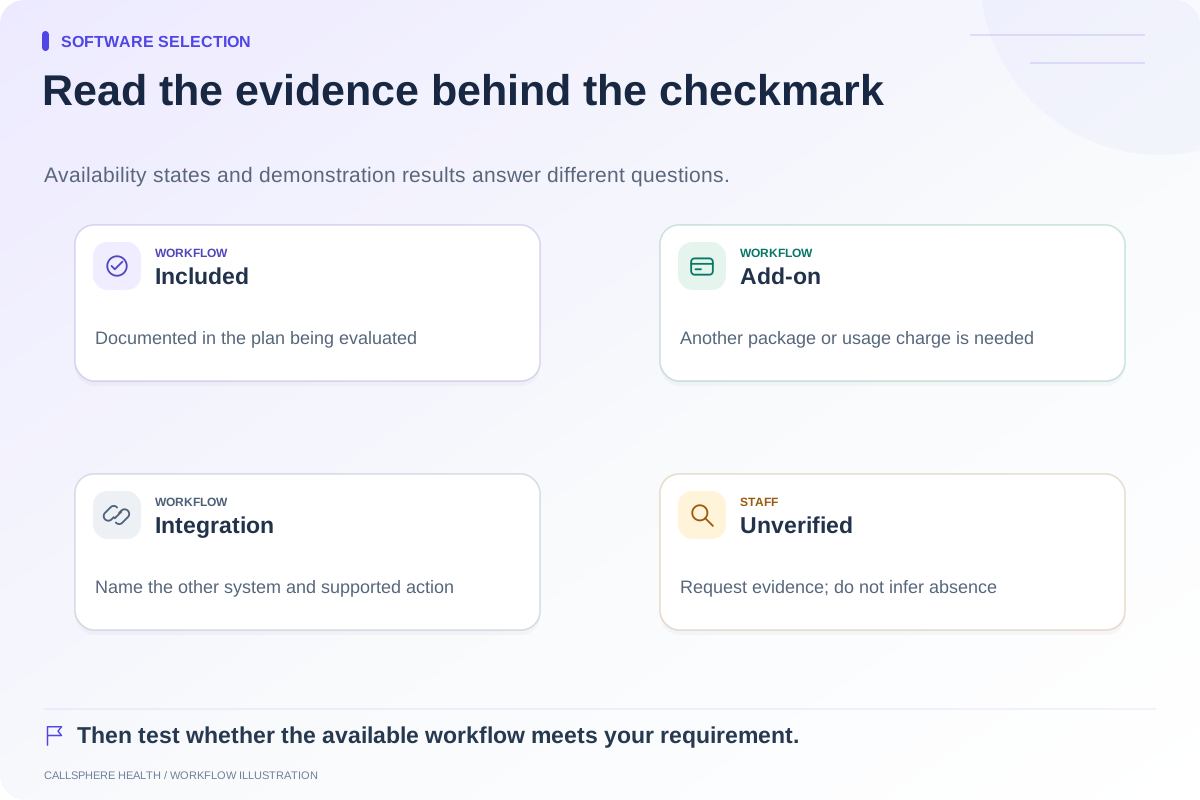
Decode EHR feature lists with four evidence states: included, add-on, integration, and unverified. Compare costs and dependencies accurately.
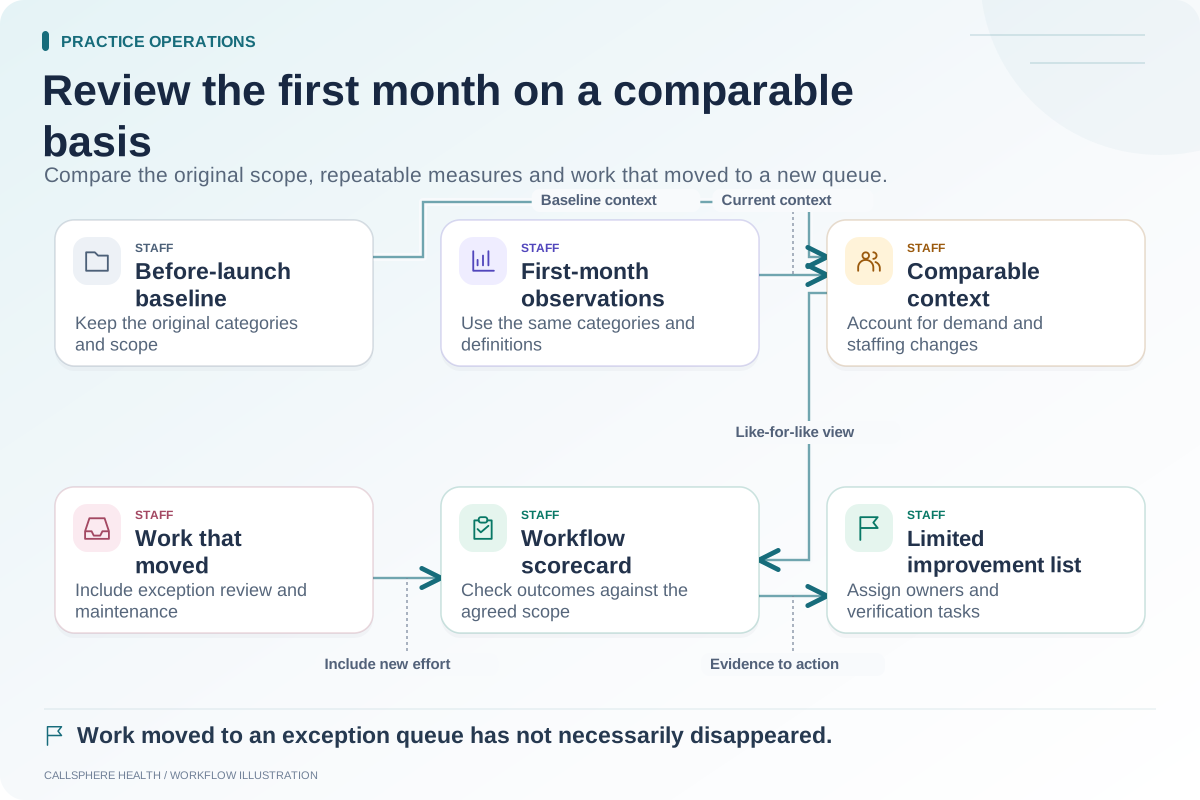
Review the first 30 days of a therapy EHR launch with workflow reliability, open exceptions and comparable administrative measures.
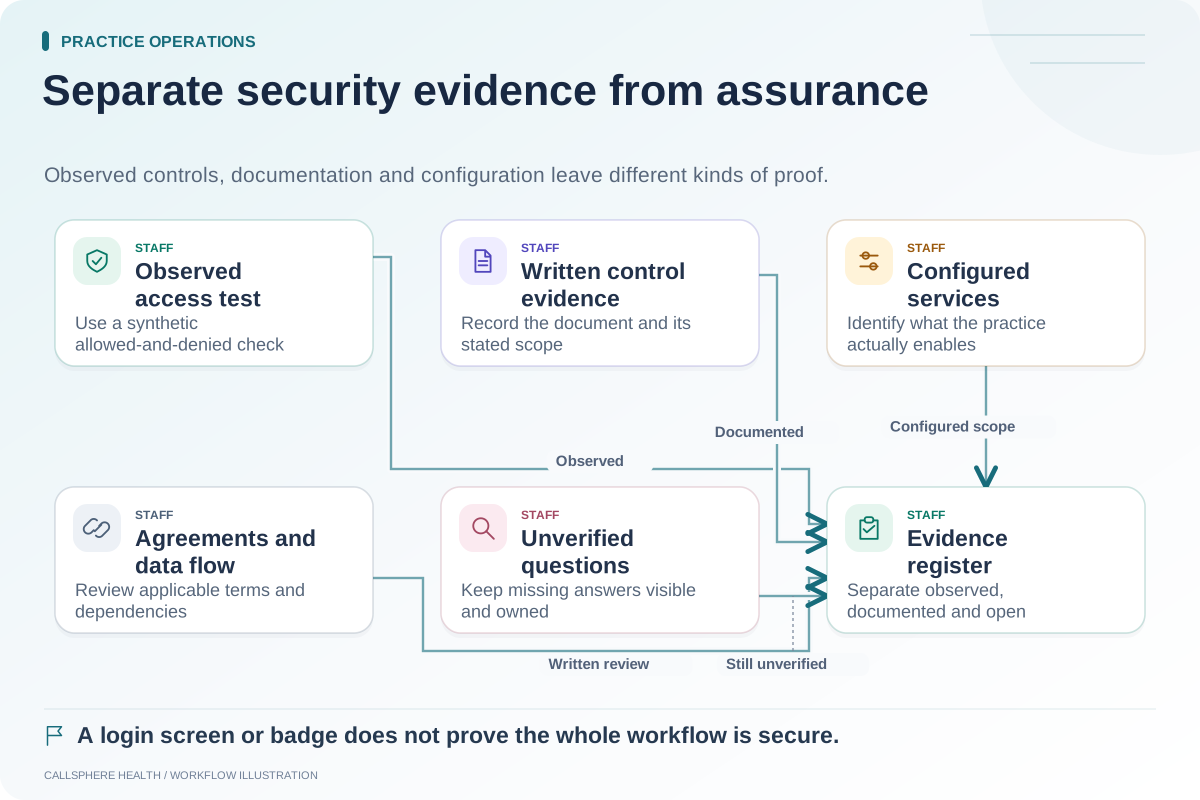
Ask evidence-based EHR security questions about roles, sessions, logs, providers and agreements in a synthetic therapy practice demonstration.
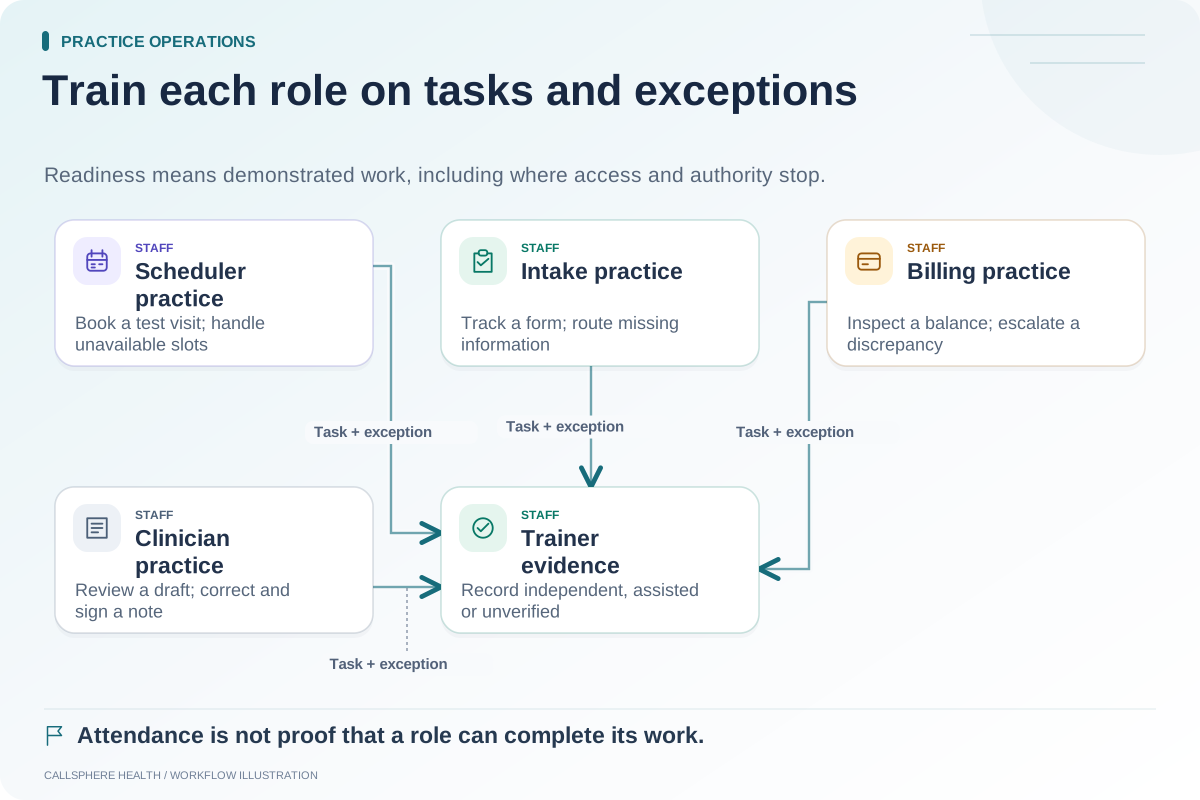
Train therapy practice staff with role-specific EHR tasks, exception exercises and observable readiness checks instead of a single generic walkthrough.
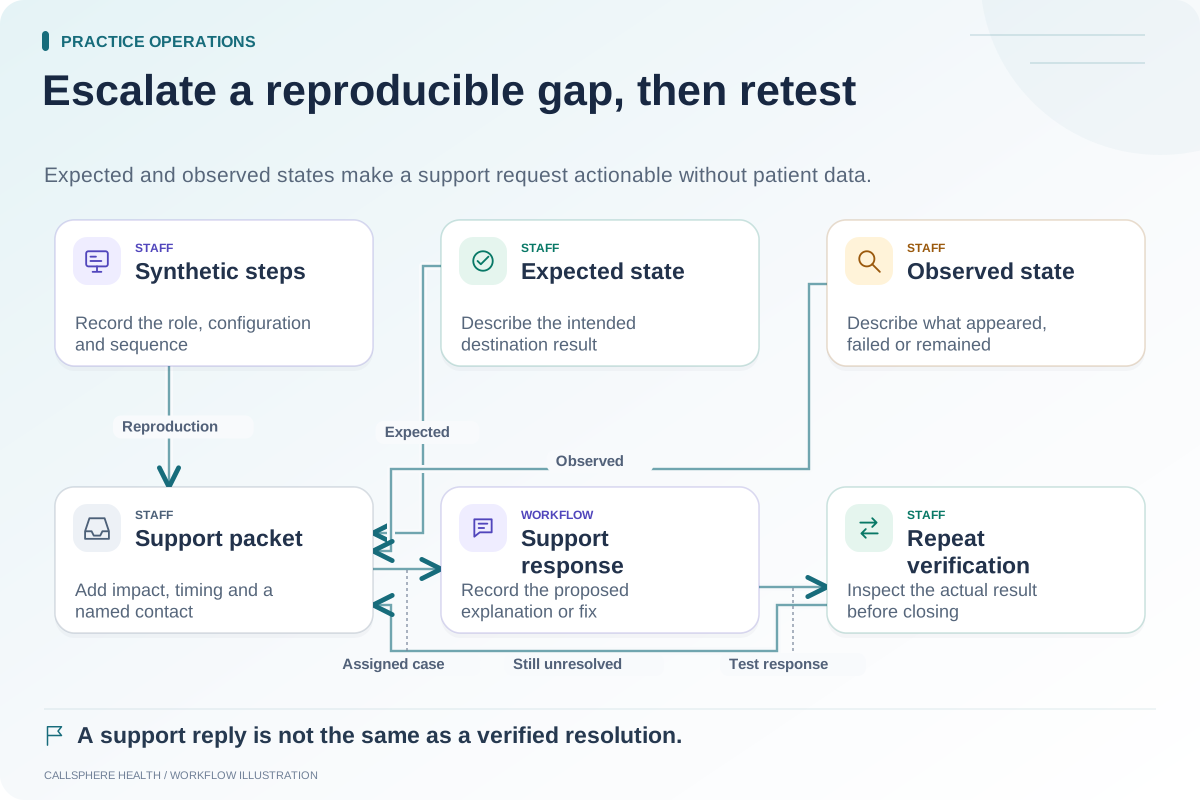
Report an EHR workflow problem with a synthetic reproduction, expected and actual states, impact and a clear support owner.
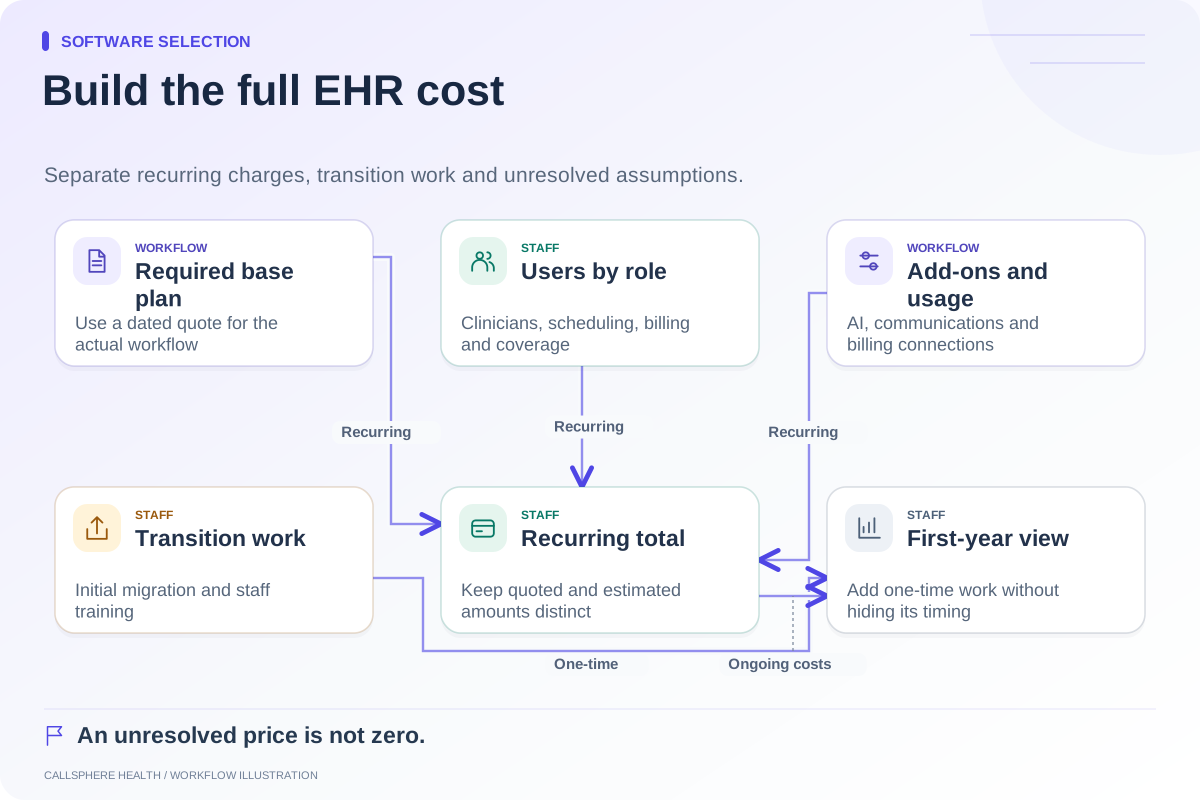
Build an EHR cost worksheet for a group therapy practice covering seats, add-ons, usage, migration, support, and clearly labeled assumptions.
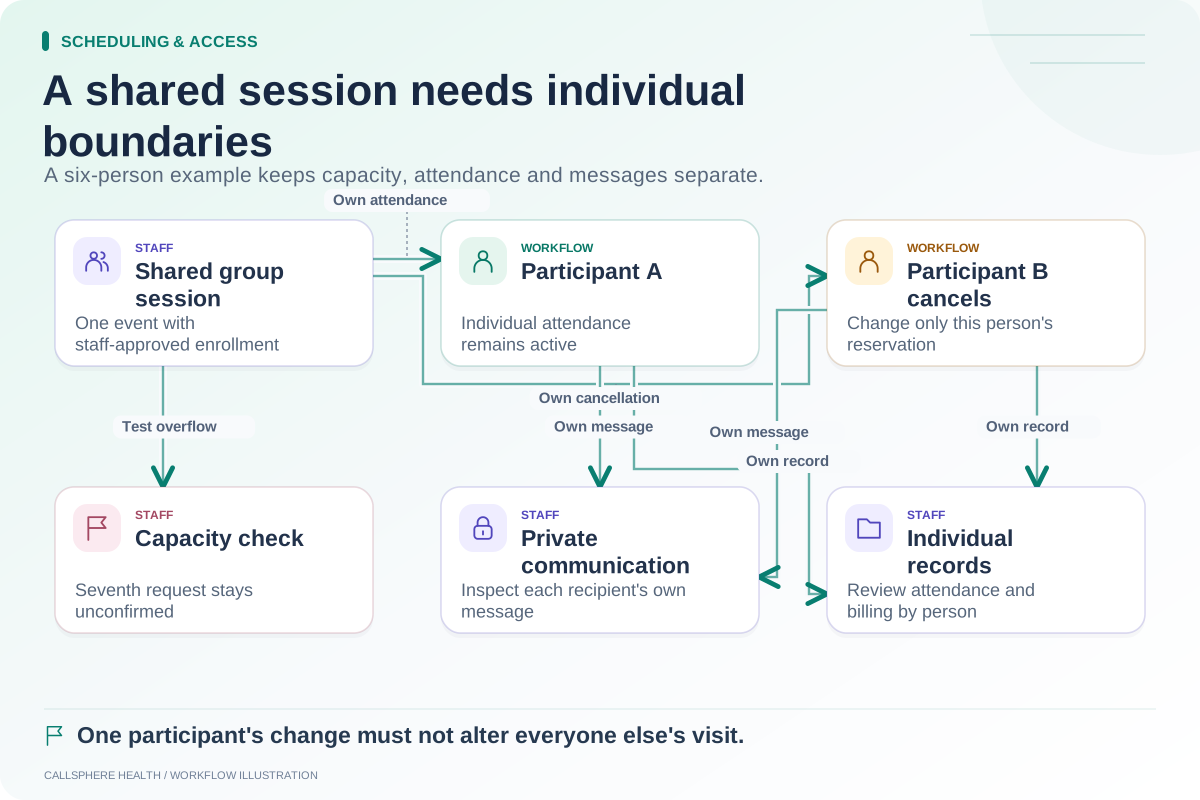
Evaluate group therapy scheduling with separate checks for capacity, participant privacy, attendance, billing and group telehealth support.
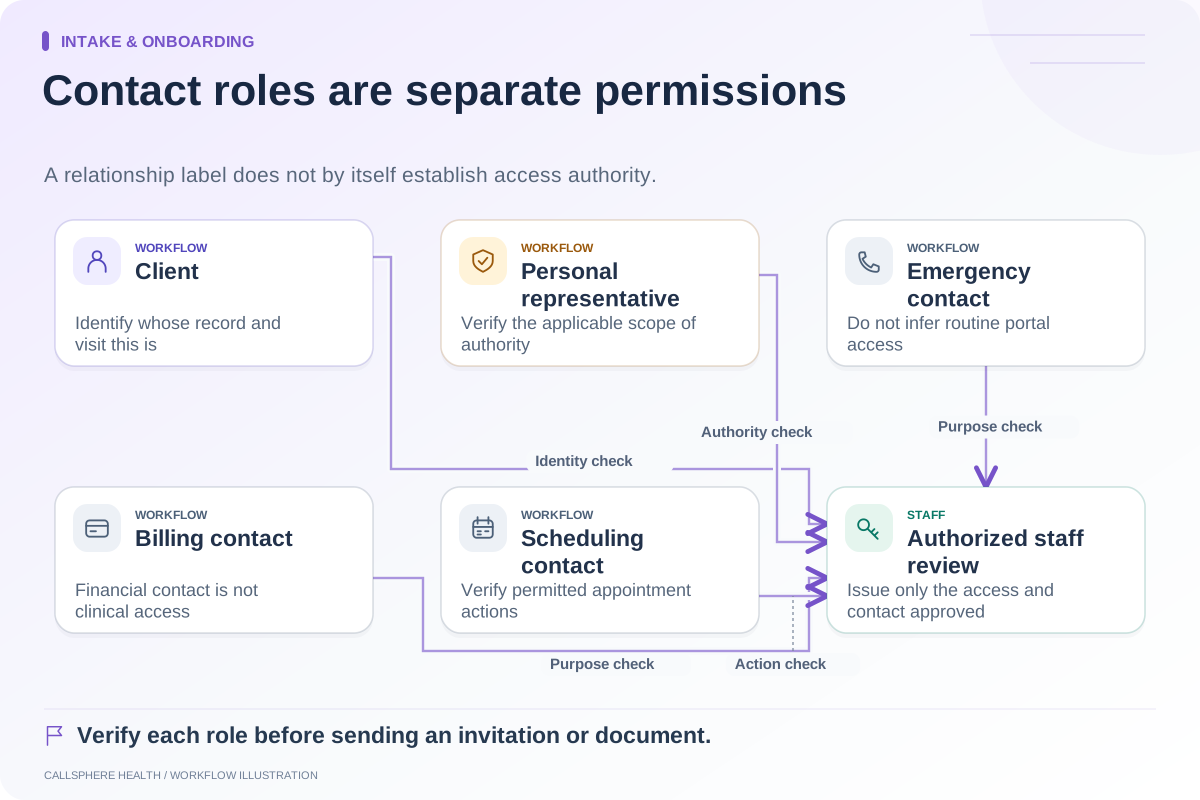
Separate guardian, emergency-contact, billing-contact and portal roles during intake, with verified authority and a staff-owned review workflow.
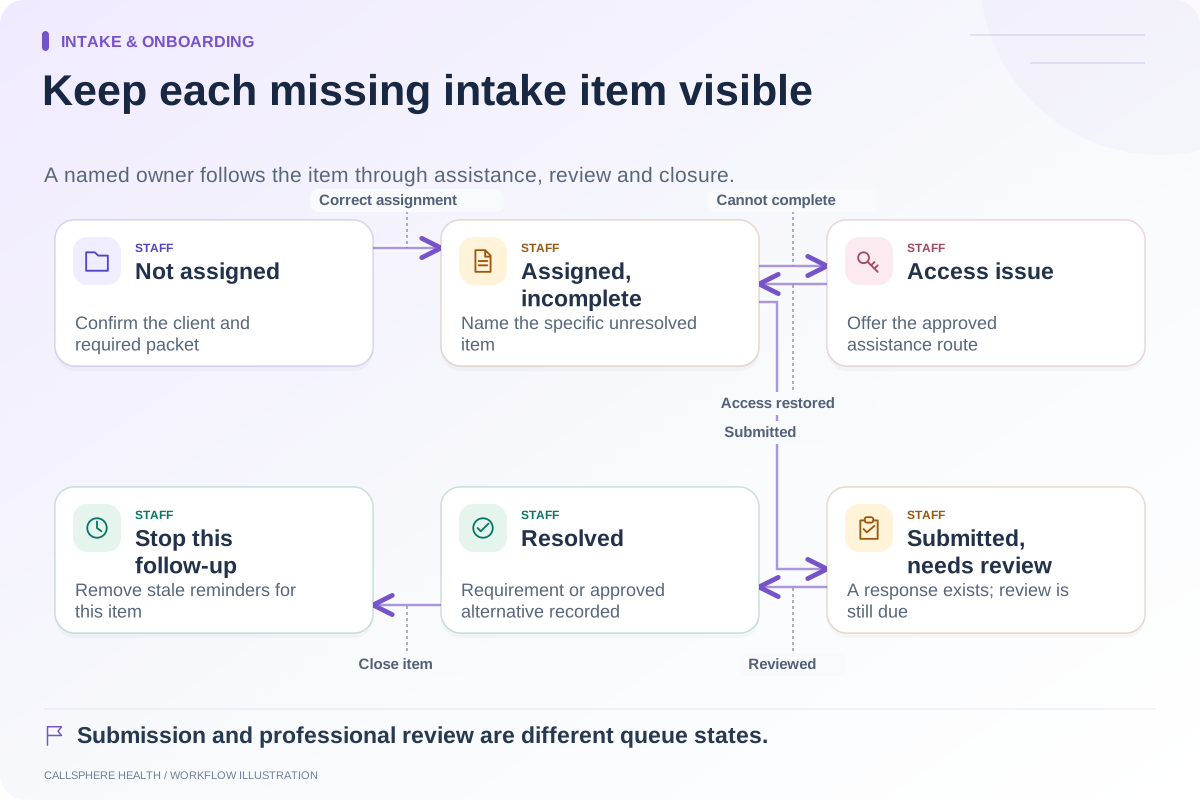
Build an incomplete-intake queue with a named owner, item-specific follow-up, clear readiness states and respectful reminder examples.
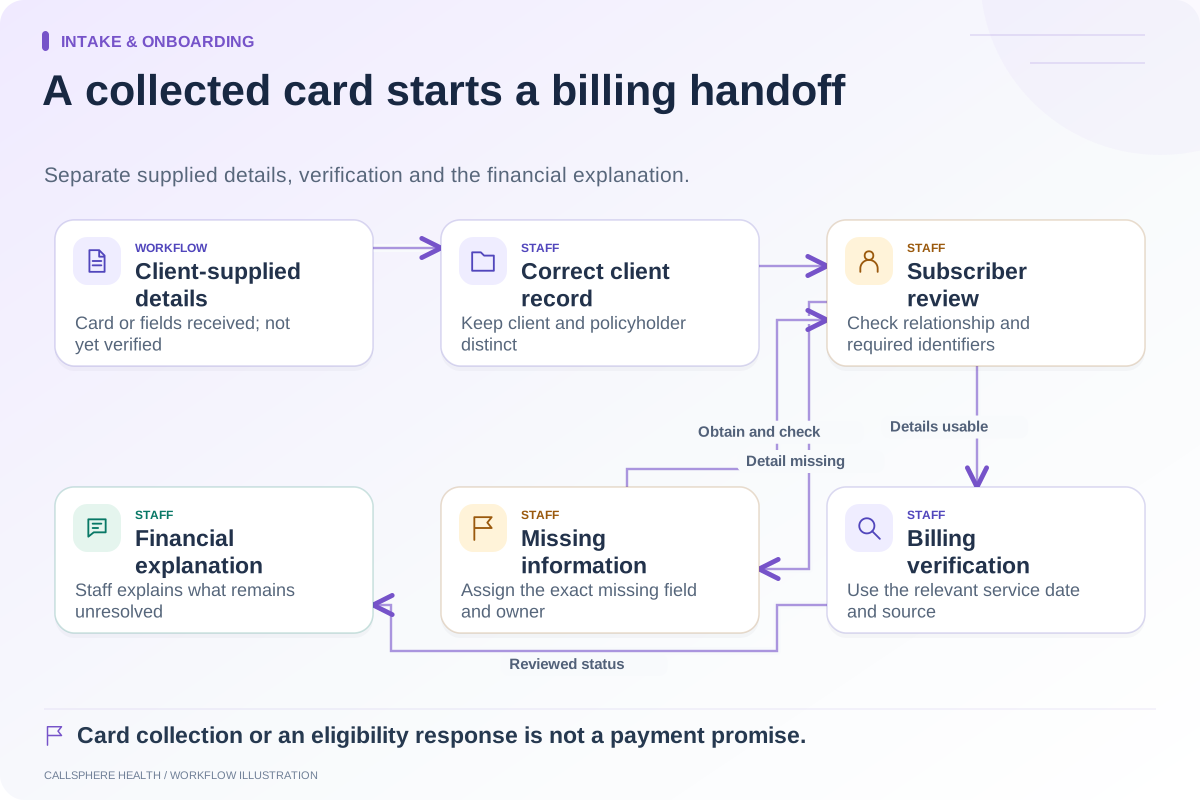
Hand insurance details from intake to billing with separate client and policyholder fields, verification states, missing-item ownership and clear limitations.
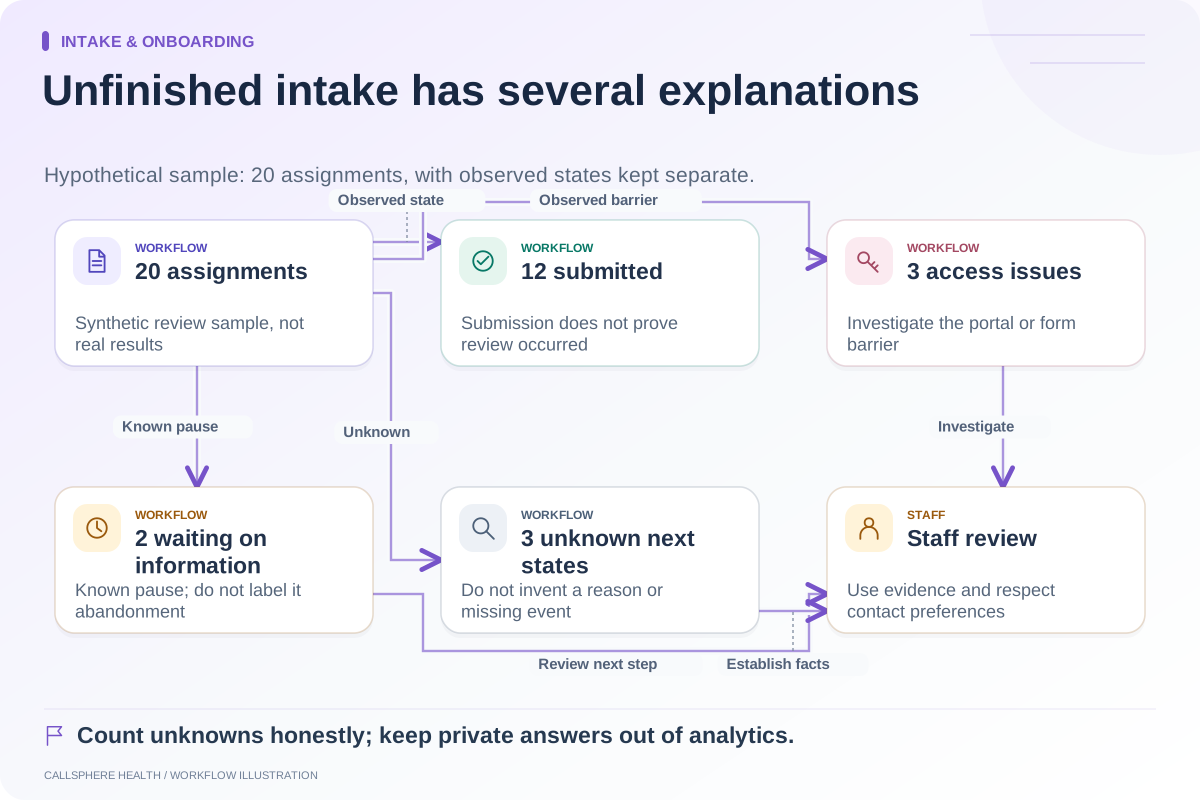
Review intake abandonment by stage, distinguish pauses from failures and use privacy-aware evidence to find unclear instructions or access barriers.
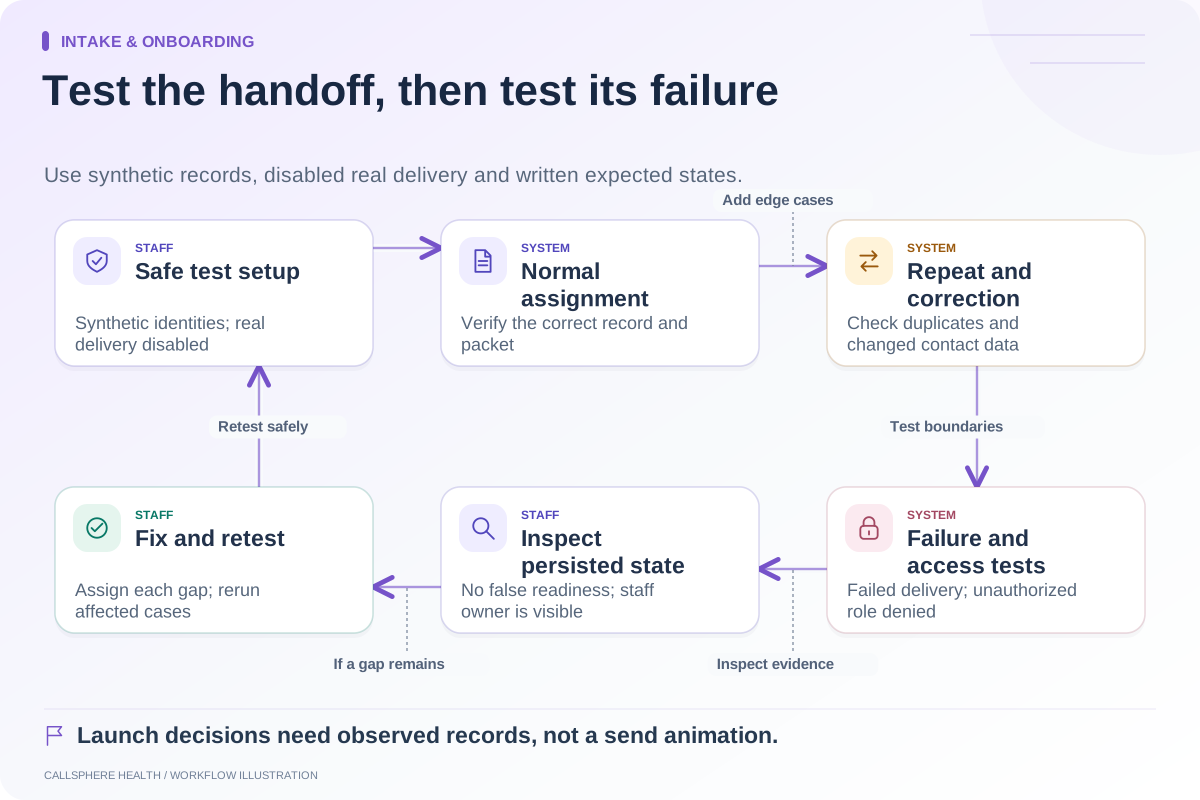
Test therapy intake automation with synthetic records, expected states and failure scenarios before relying on form assignment, reminders or staff review.