Workflow · reduced motion
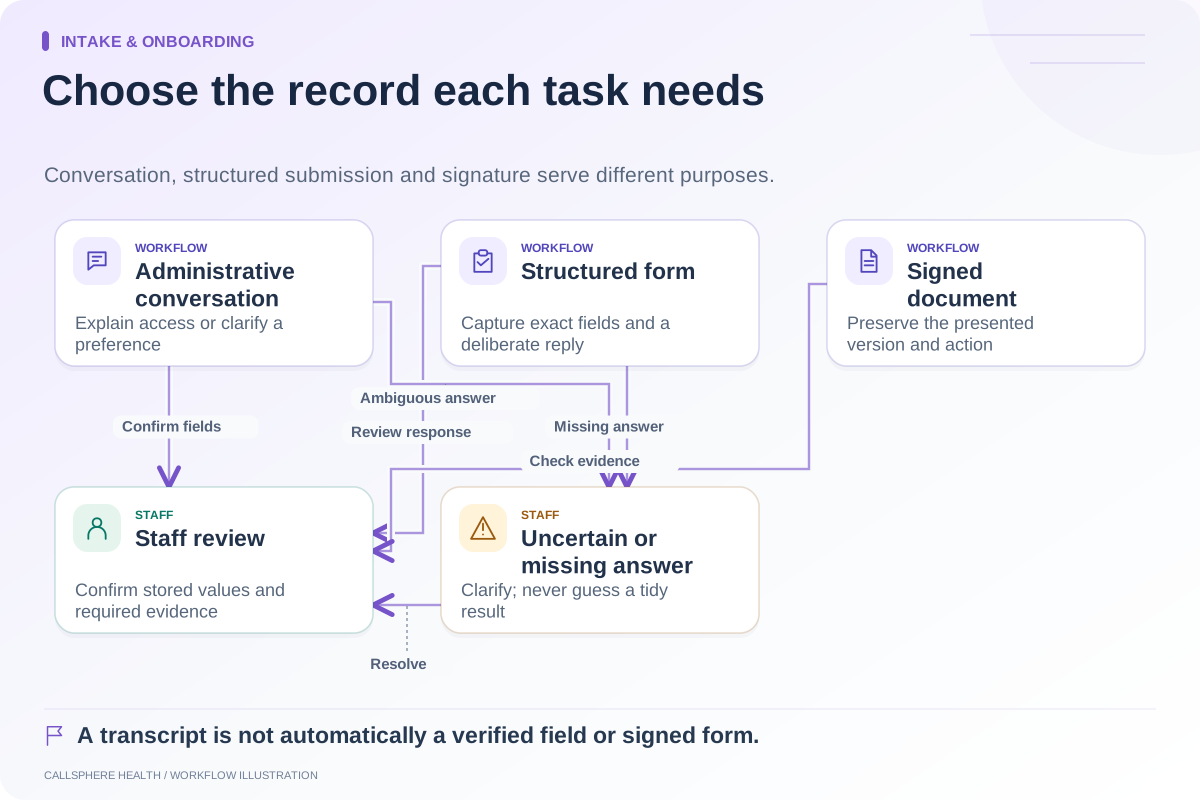
Intake forms or conversational intake: how to choose
Compare structured intake forms with administrative conversations using a decision table for ambiguity, review, signatures and record quality.
4 min read
The Therapy Practice Playbook
Practical guidance for mental and behavioral health teams navigating scheduling, intake, documentation, billing, growth and front-office workload—with responsible ways to use AI. See how CallSphere works.
105 articles
Compare structured intake forms with administrative conversations using a decision table for ambiguity, review, signatures and record quality.
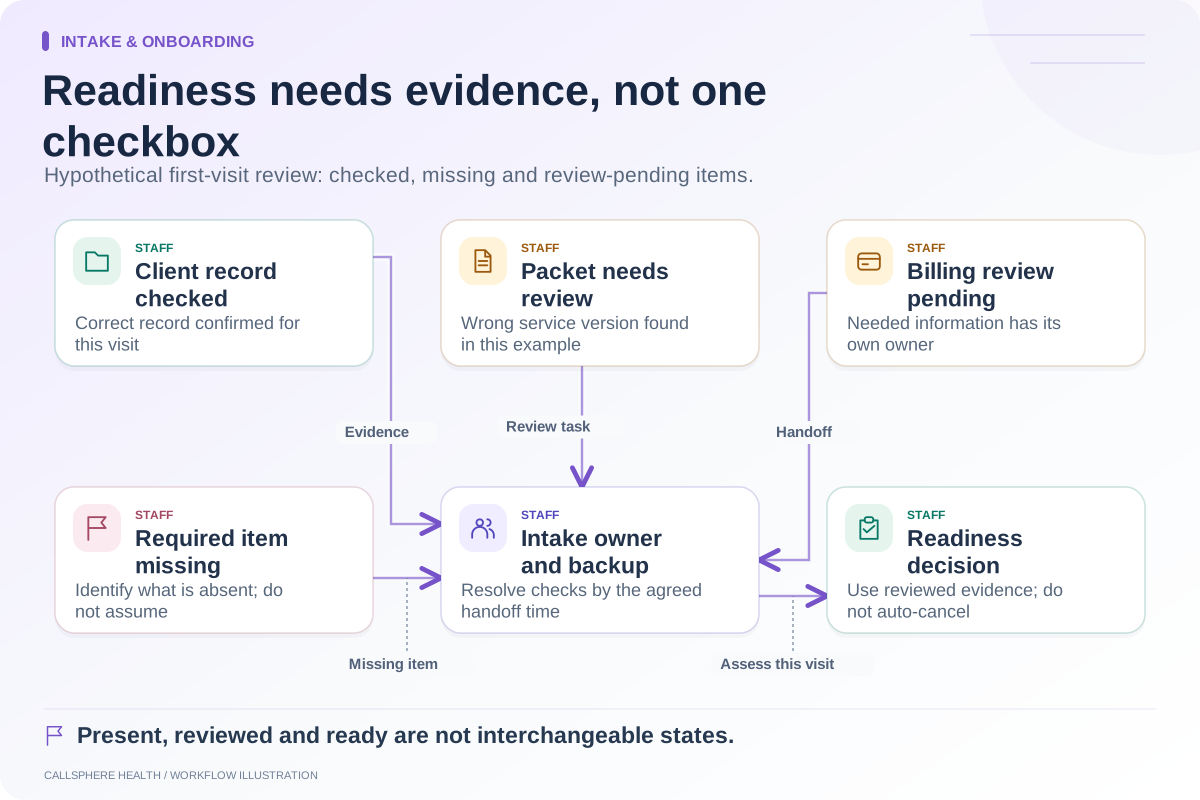
Define first-appointment intake readiness using separate complete, missing and needs-review states with a named owner for each administrative check.
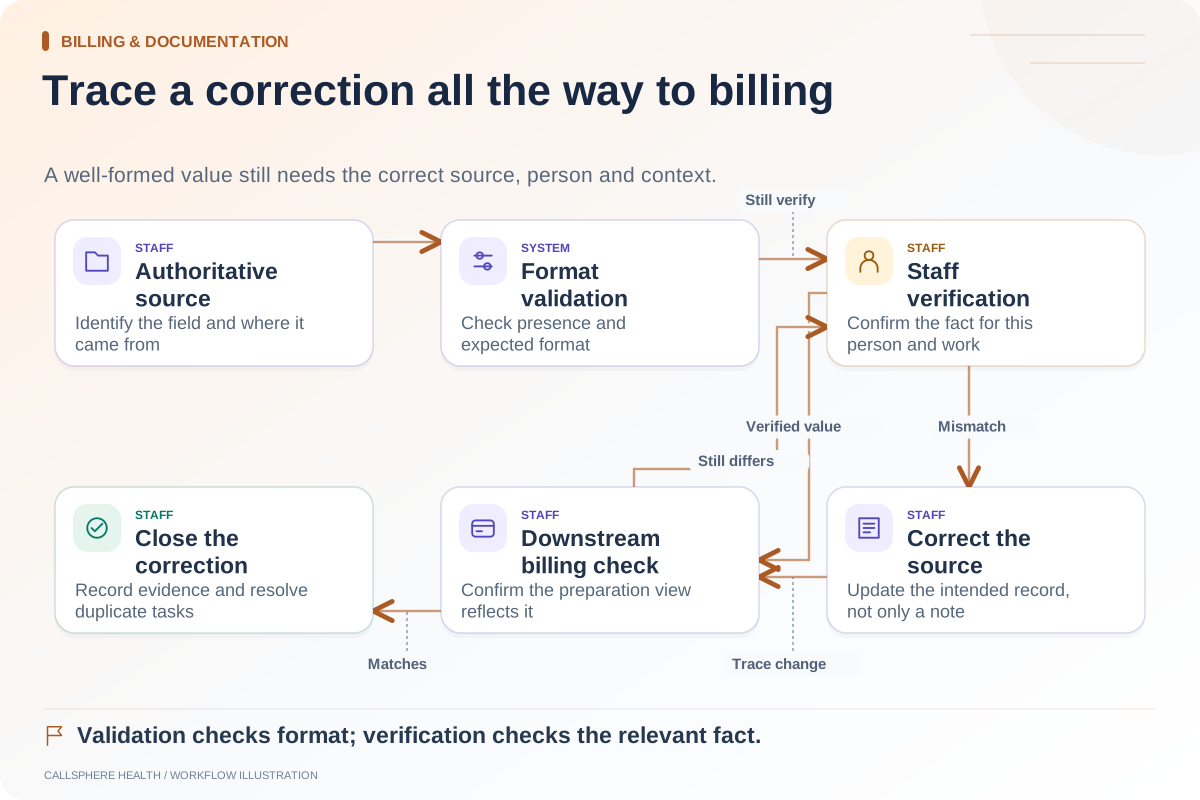
Create a field-verification worksheet between intake and billing so corrections reach the right record and missing information has an assigned owner.
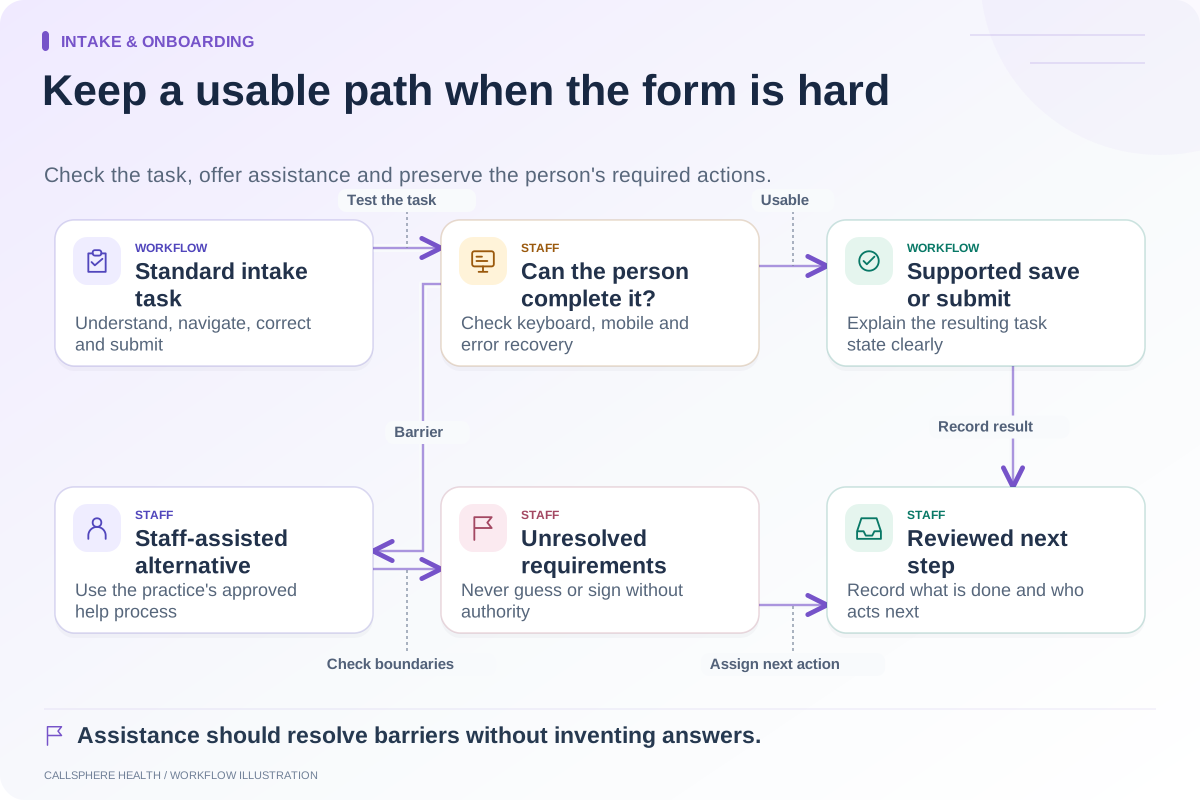
Plan accessible intake with clear instructions, keyboard and mobile checks, recoverable errors and a staff-assisted alternative when forms are difficult.
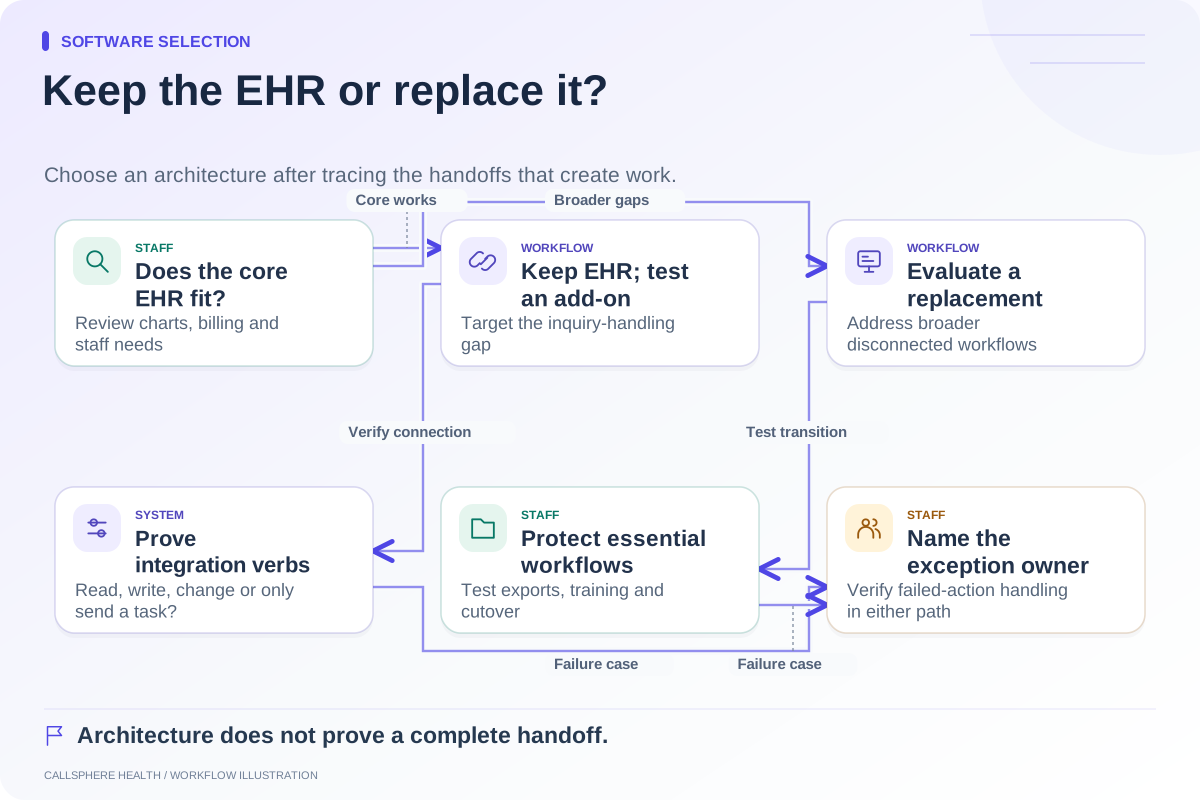
Decide whether to replace your EHR or add an AI receptionist by checking integration depth, staff ownership, duplicate entry, and switching effort.
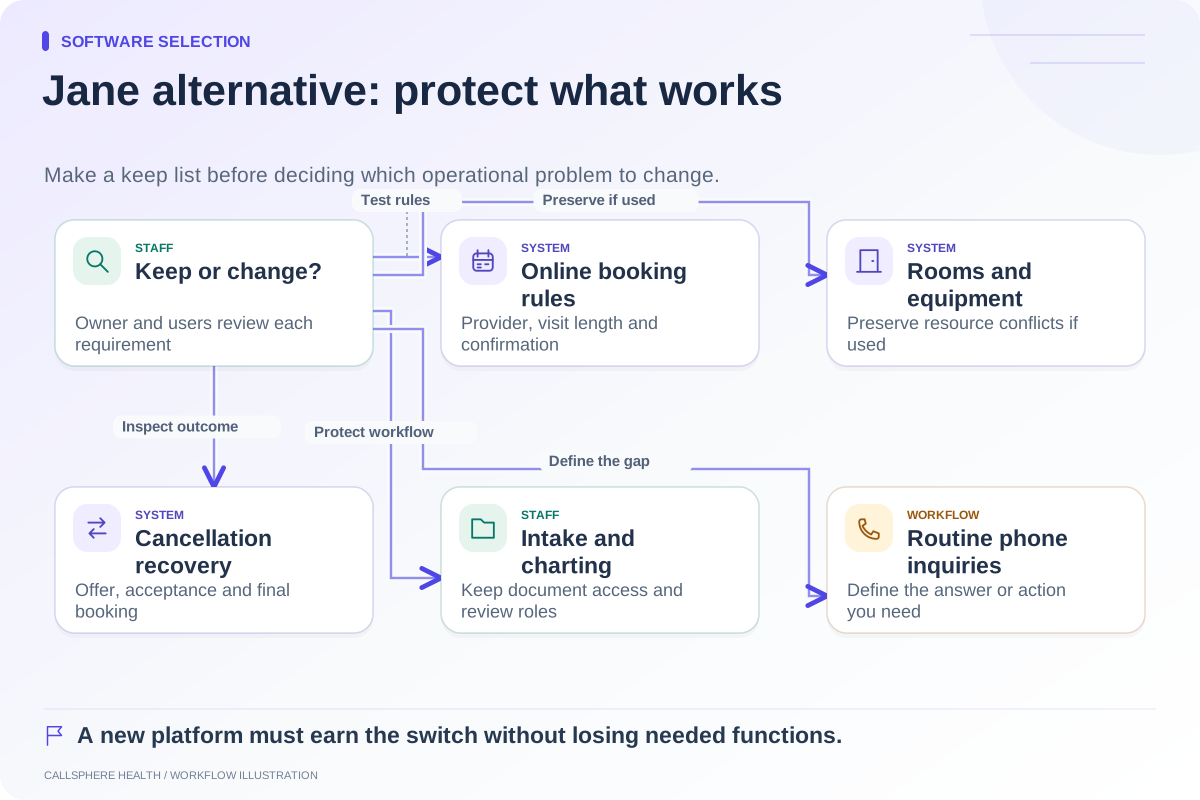
Assess Jane alternatives for mental health practices by checking booking, waitlists, multidisciplinary needs, AI tools, and migration tradeoffs.
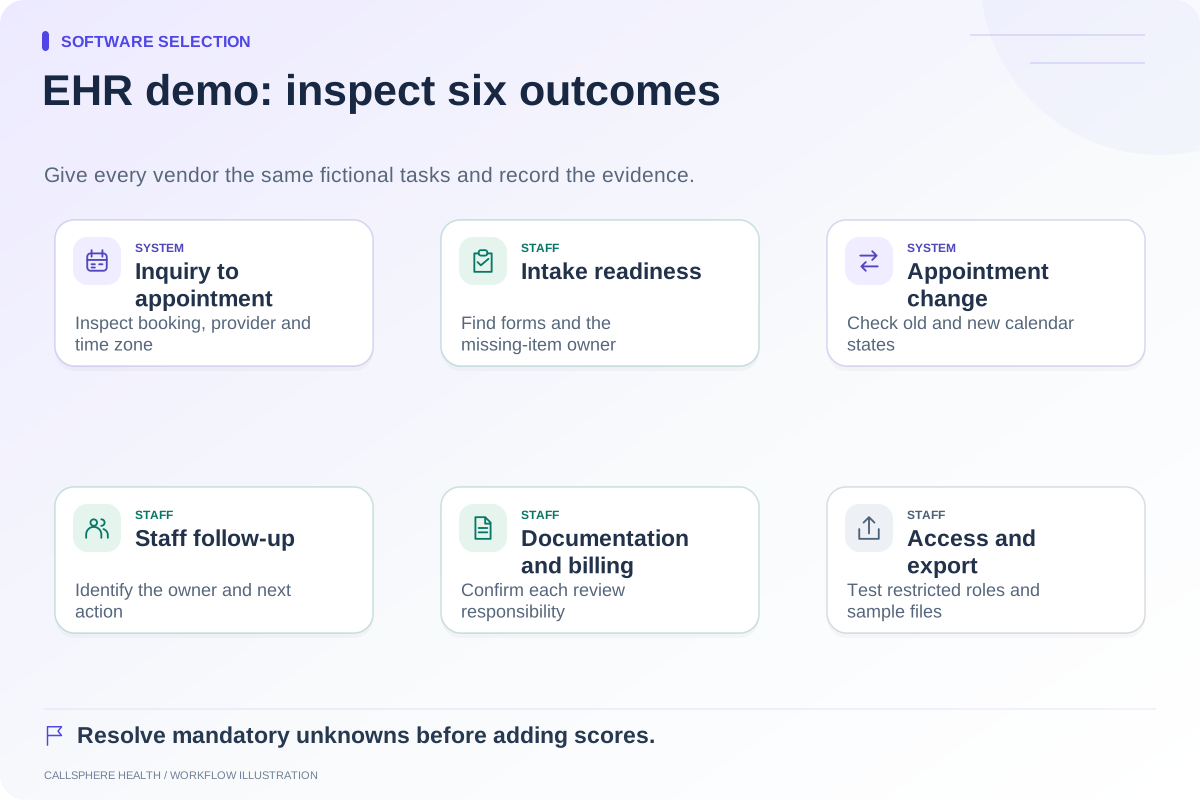
Evaluate mental health EHR demos with a weighted workflow scorecard, synthetic test cases, and clear evidence for staff responsibilities.
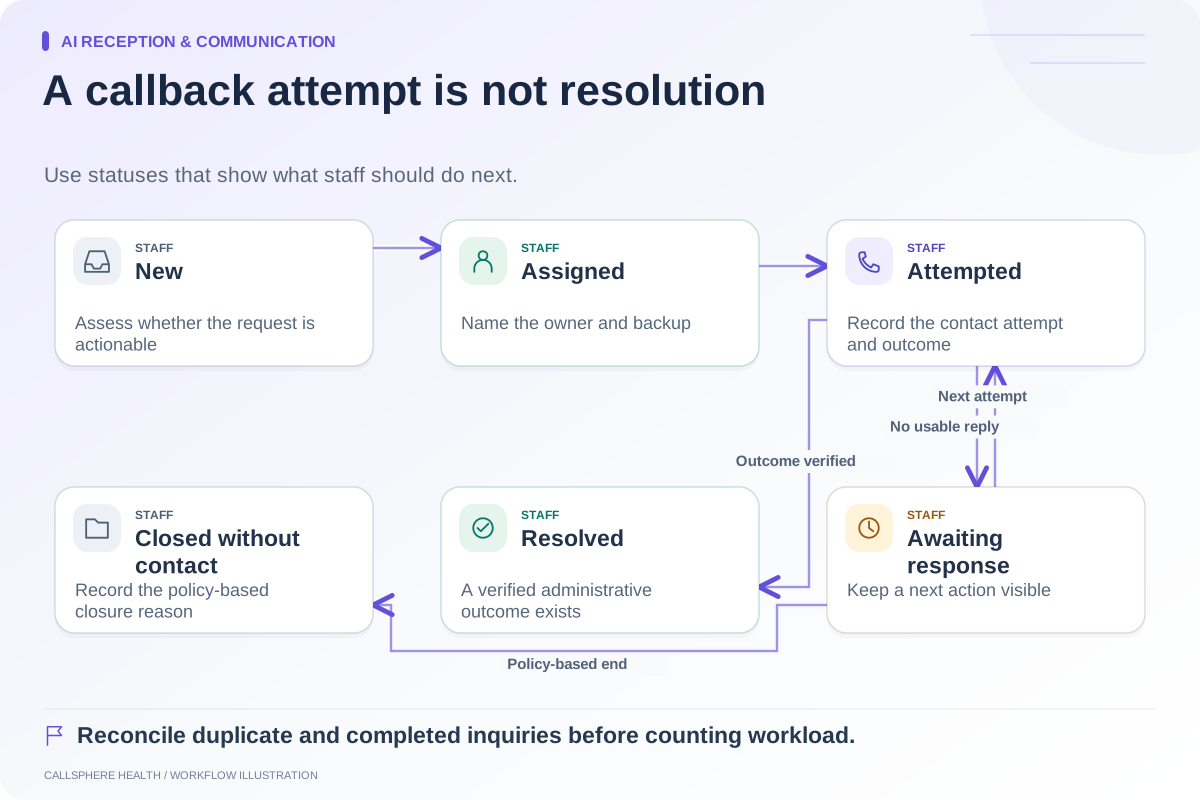
Create a missed-call callback queue with defined statuses, assigned owners, contact preferences, duplicate checks, and measurable follow-through.
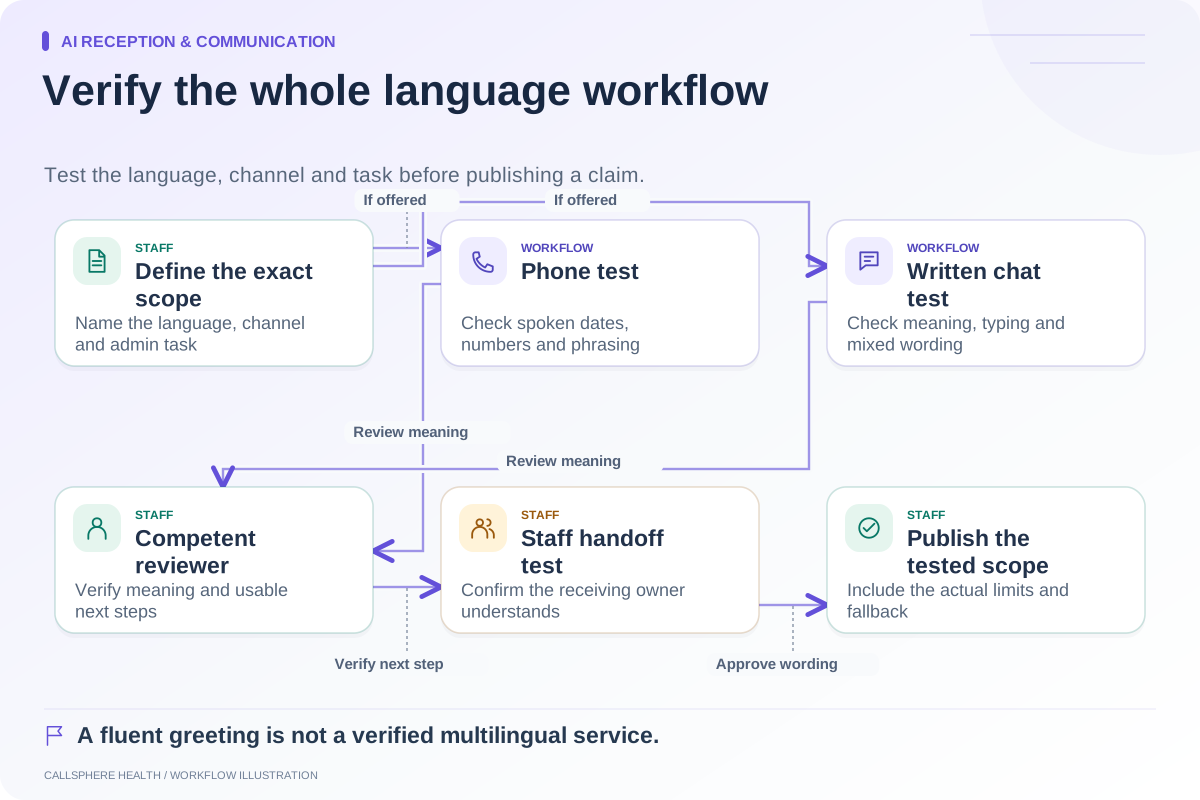
Test specific languages, administrative tasks and staff fallback before advertising multilingual AI reception for a mental health practice.
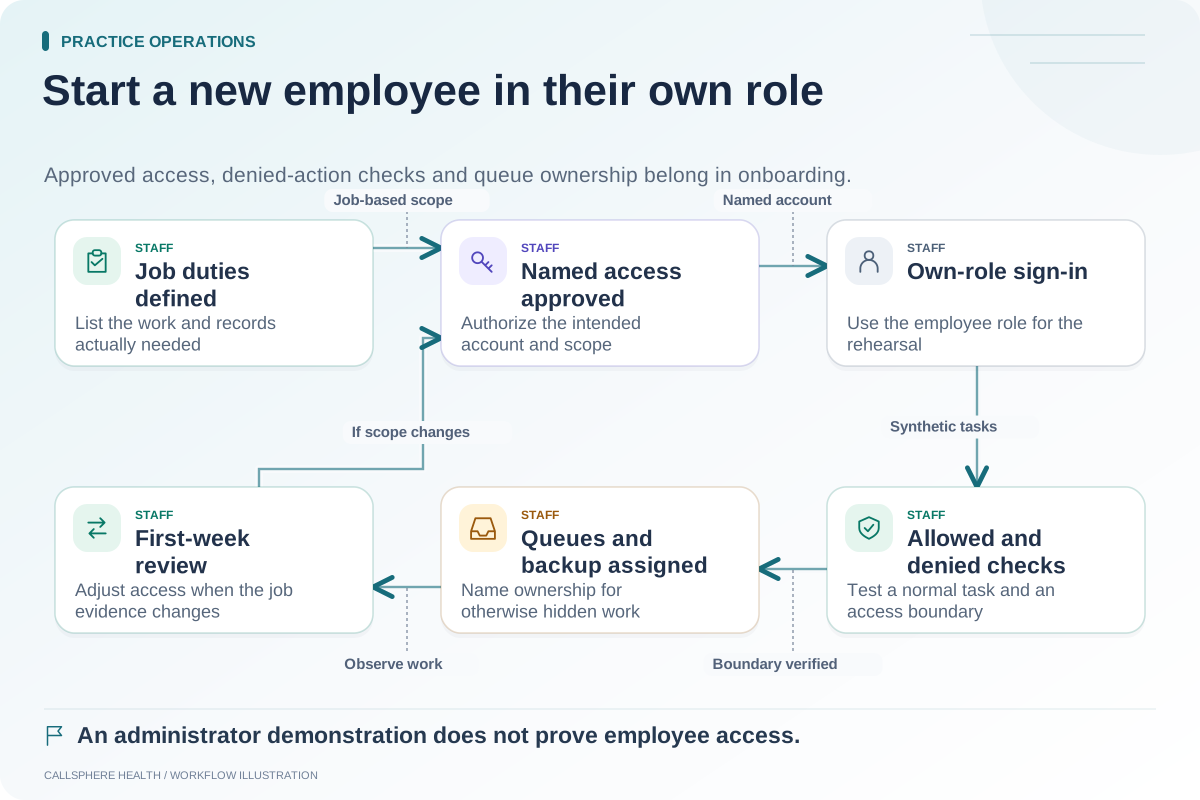
Onboard a practice employee with named account ownership, approved role access and synthetic first-week EHR checks.
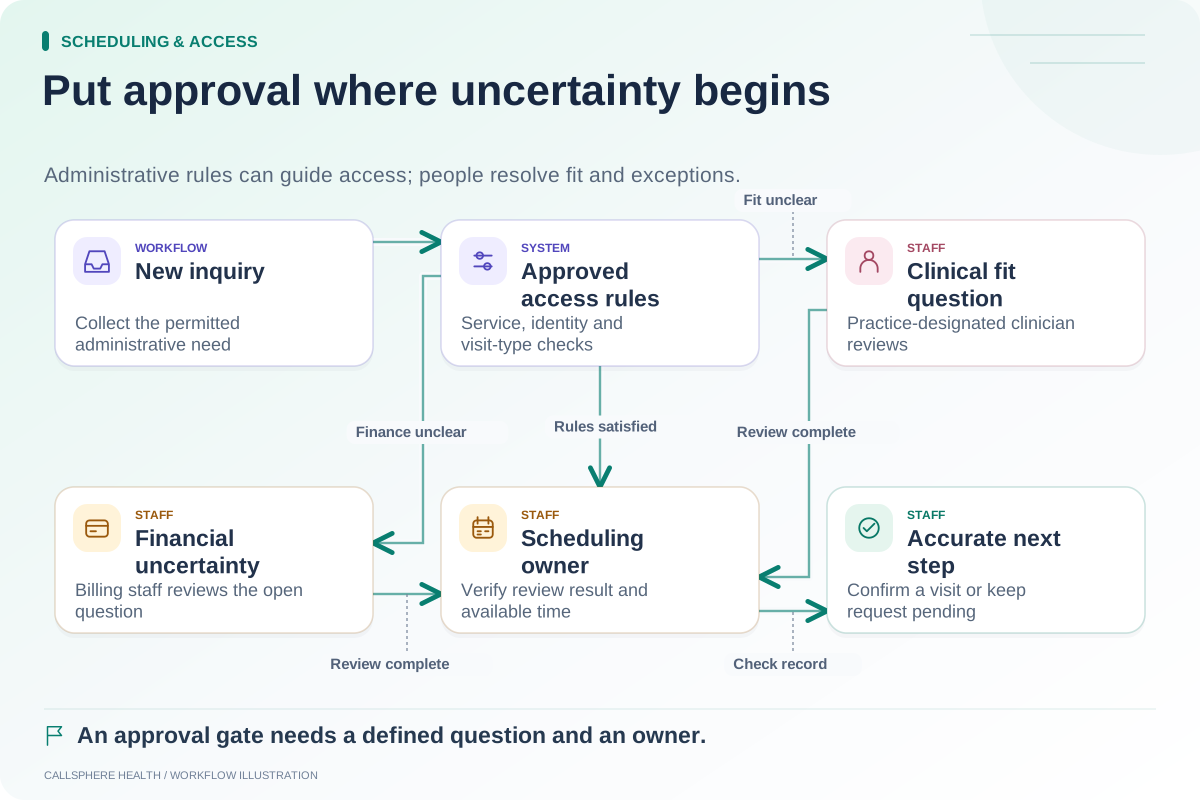
Use an approval decision table to separate administrative eligibility, identity checks and clinical fit before confirming new-patient appointments.
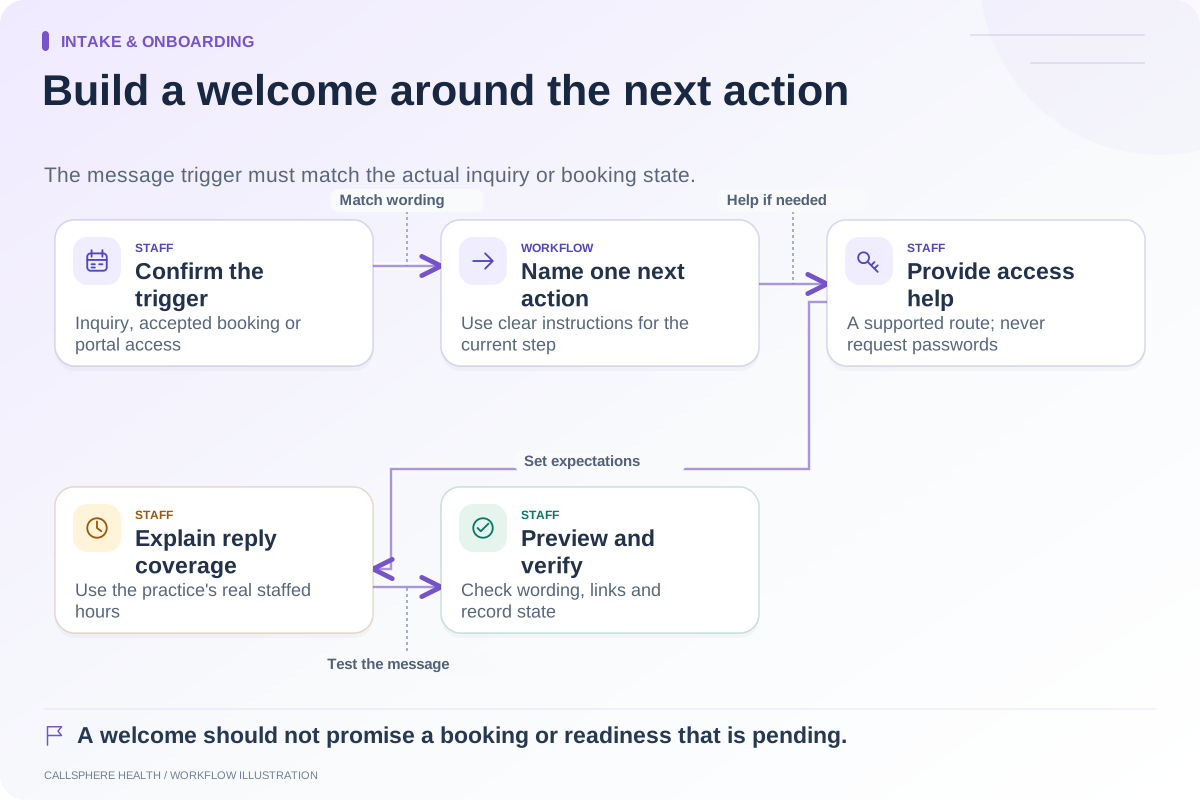
Write a new-client welcome message that explains the next action, portal help, appointment details and communication boundaries without promising completed intake.
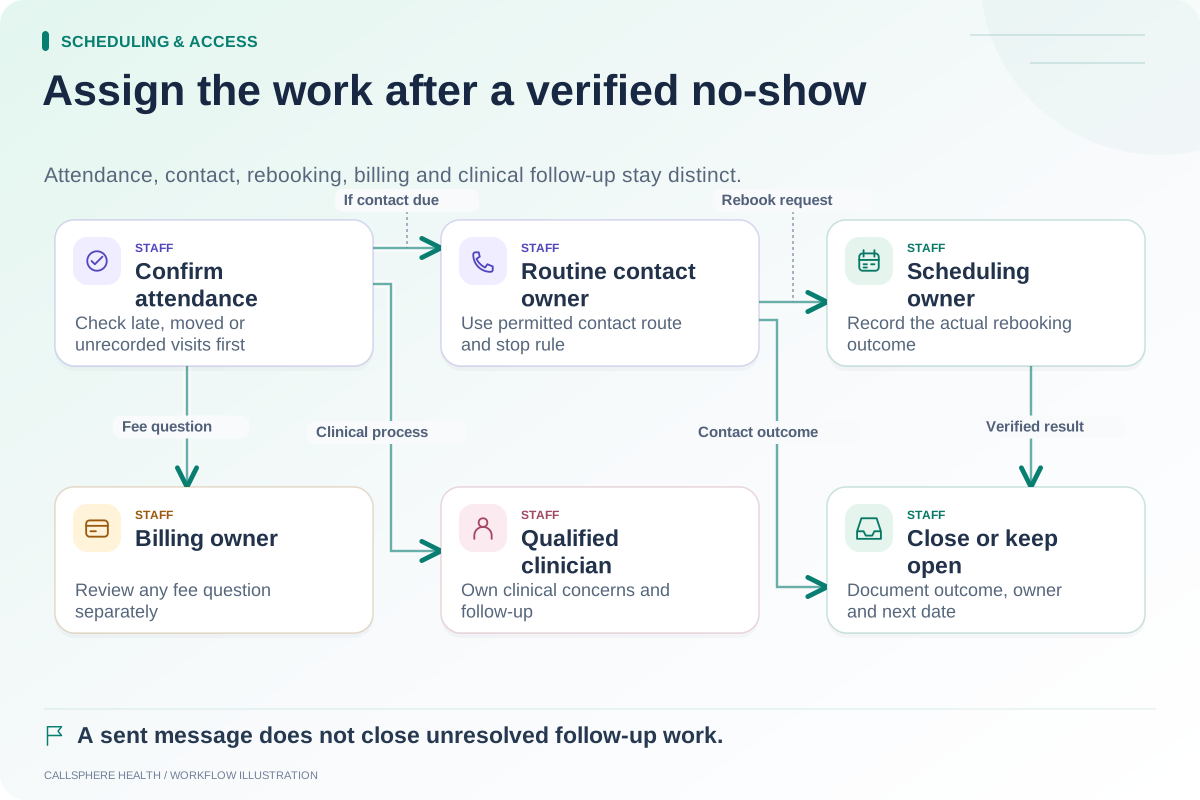
Create a no-show follow-up queue with confirmed appointment status, a named staff owner, clear contact boundaries and measurable administrative outcomes.
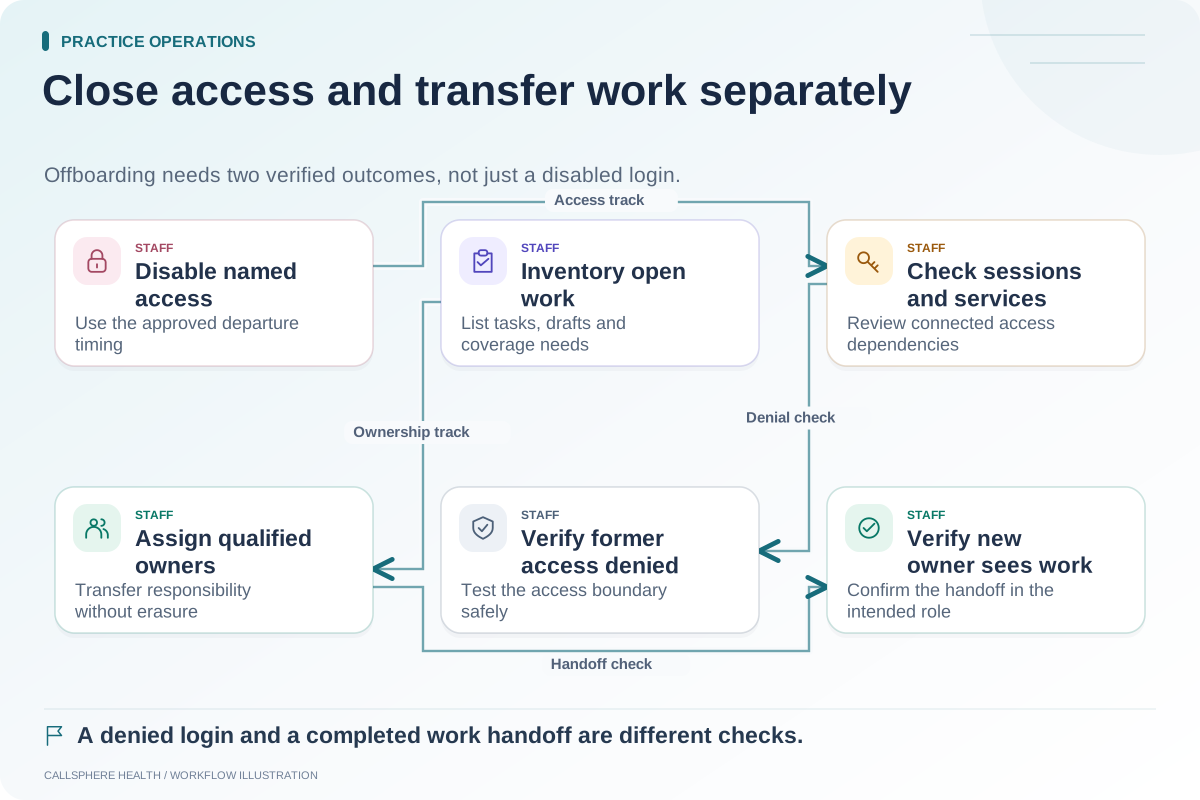
Remove departing staff access while preserving records and assigning their queues, schedules and unresolved EHR work to responsible people.
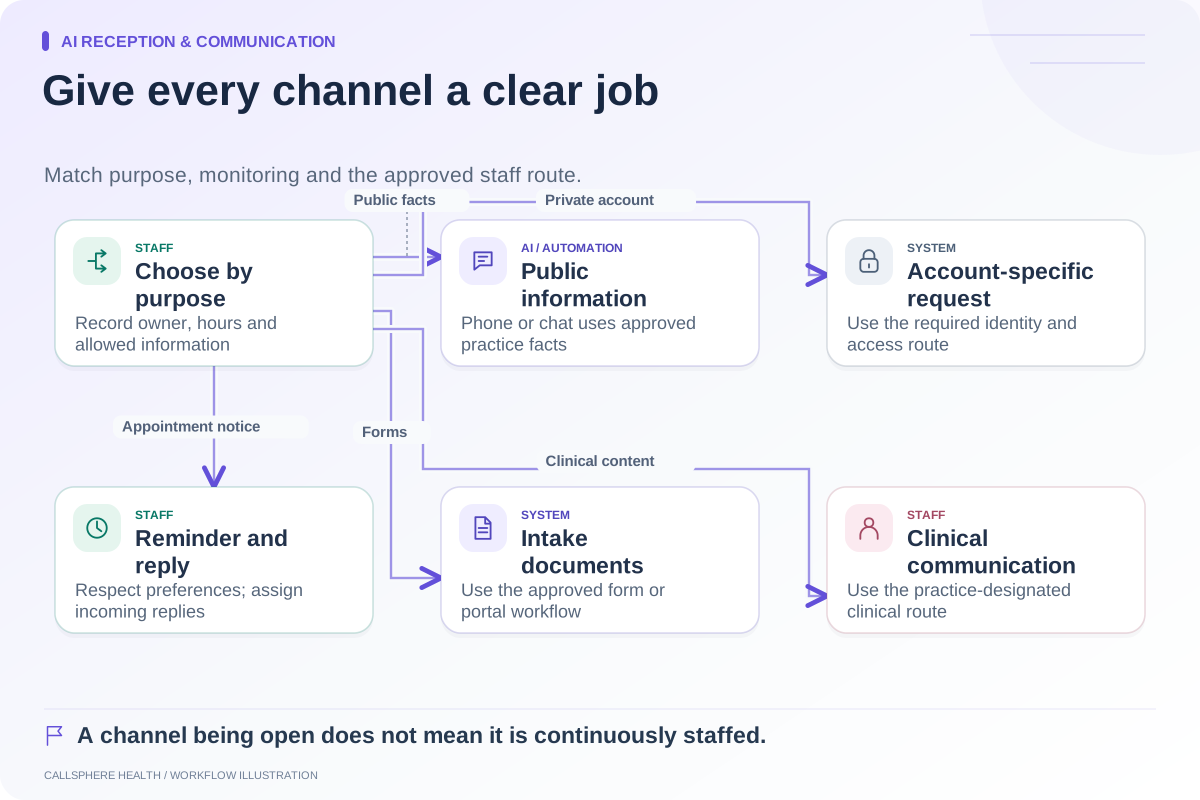
Create a practical patient communication channel policy covering routine questions, reminders, portal messages, contact preferences, and staff ownership.
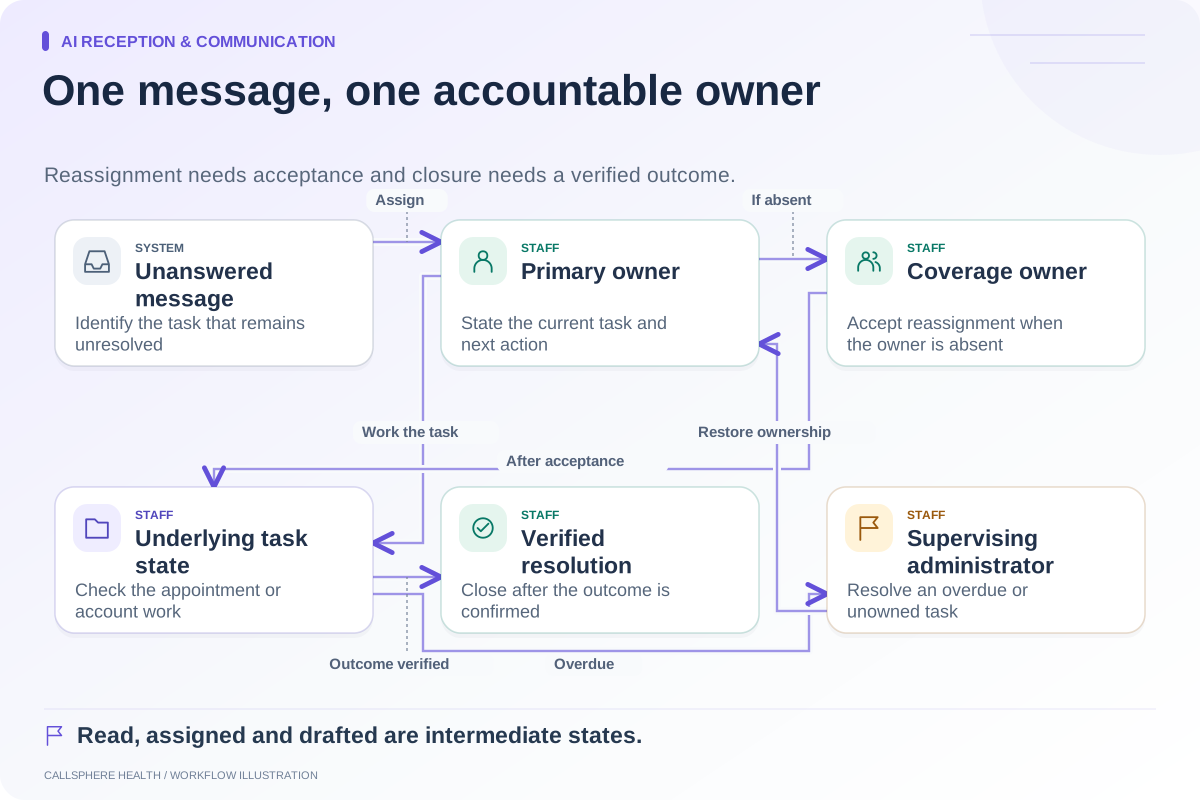
Set clear ownership for unanswered patient messages, including reassignment, staff absence, overdue threads and evidence that a request is resolved.
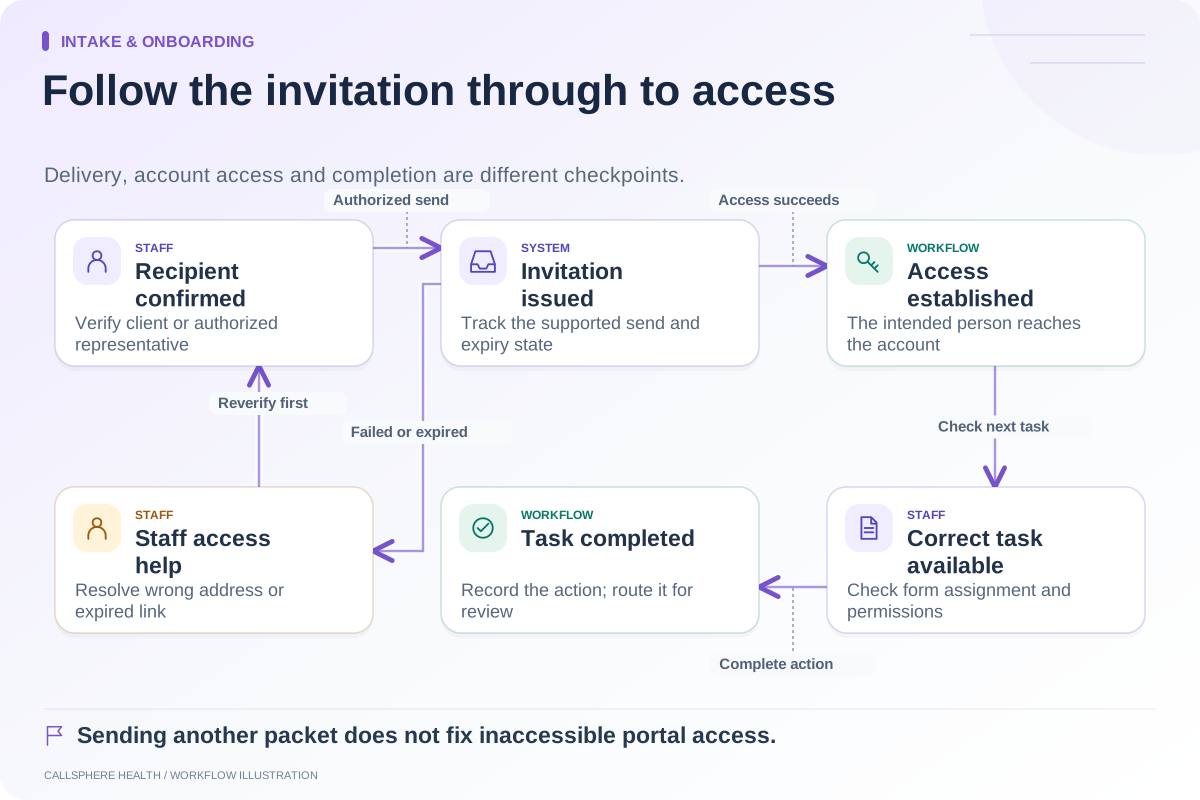
Manage patient portal invitations as a lifecycle with verified contact details, failed-delivery handling, access support and a clear completion check.
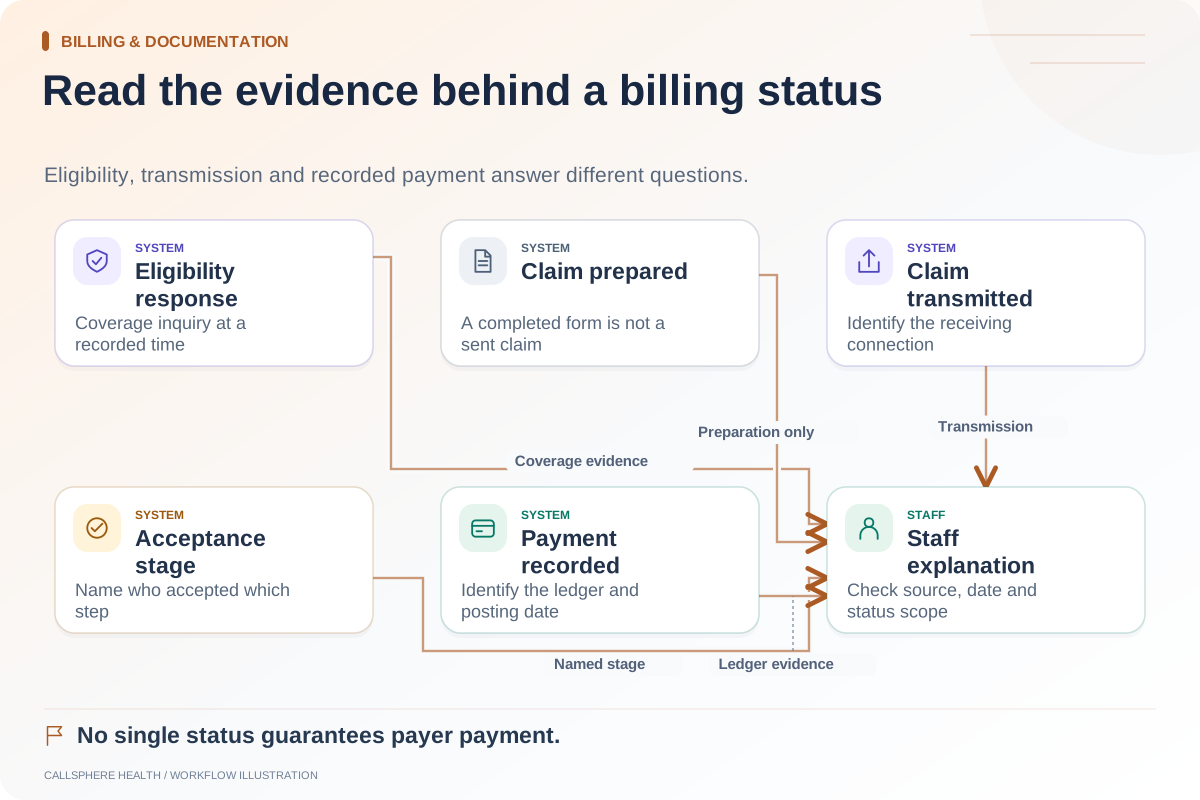
Distinguish insurance information, eligibility responses, claim status and payment posting so staff does not overinterpret a single billing badge.
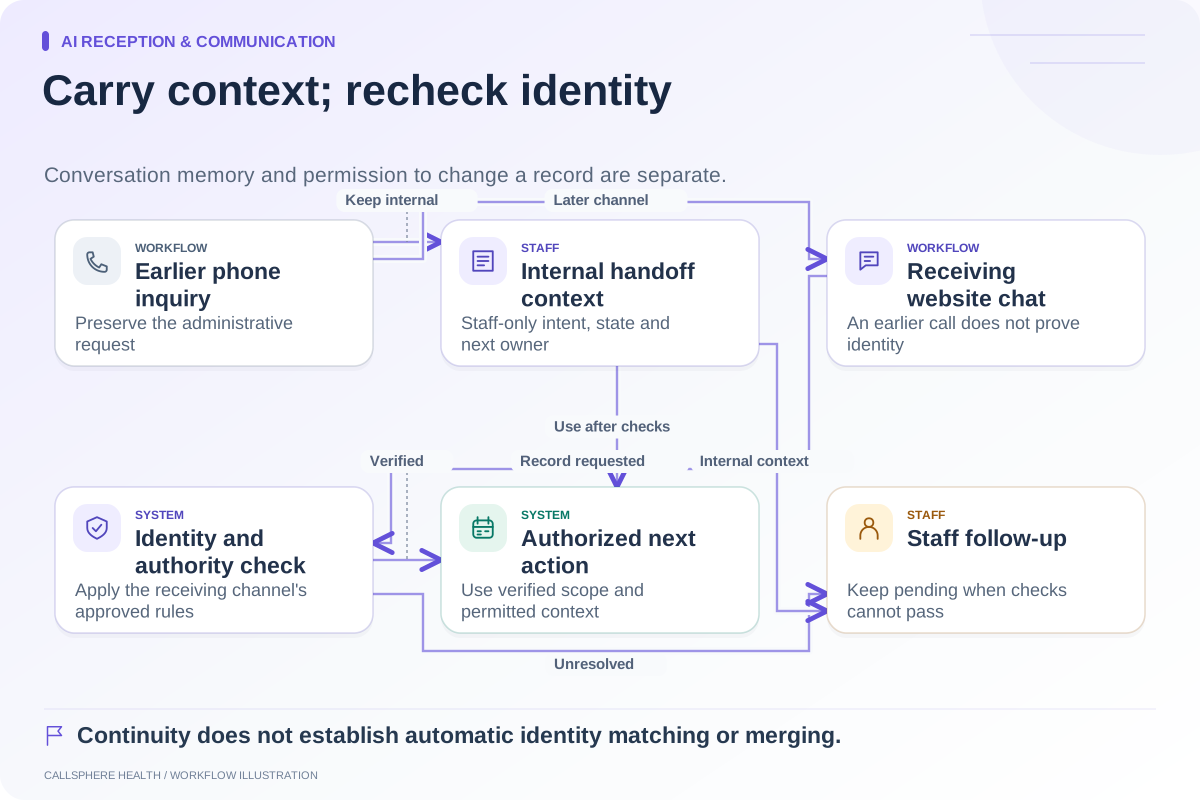
Define the minimum context for moving an inquiry between phone and website chat while keeping identity checks and staff follow-up explicit.
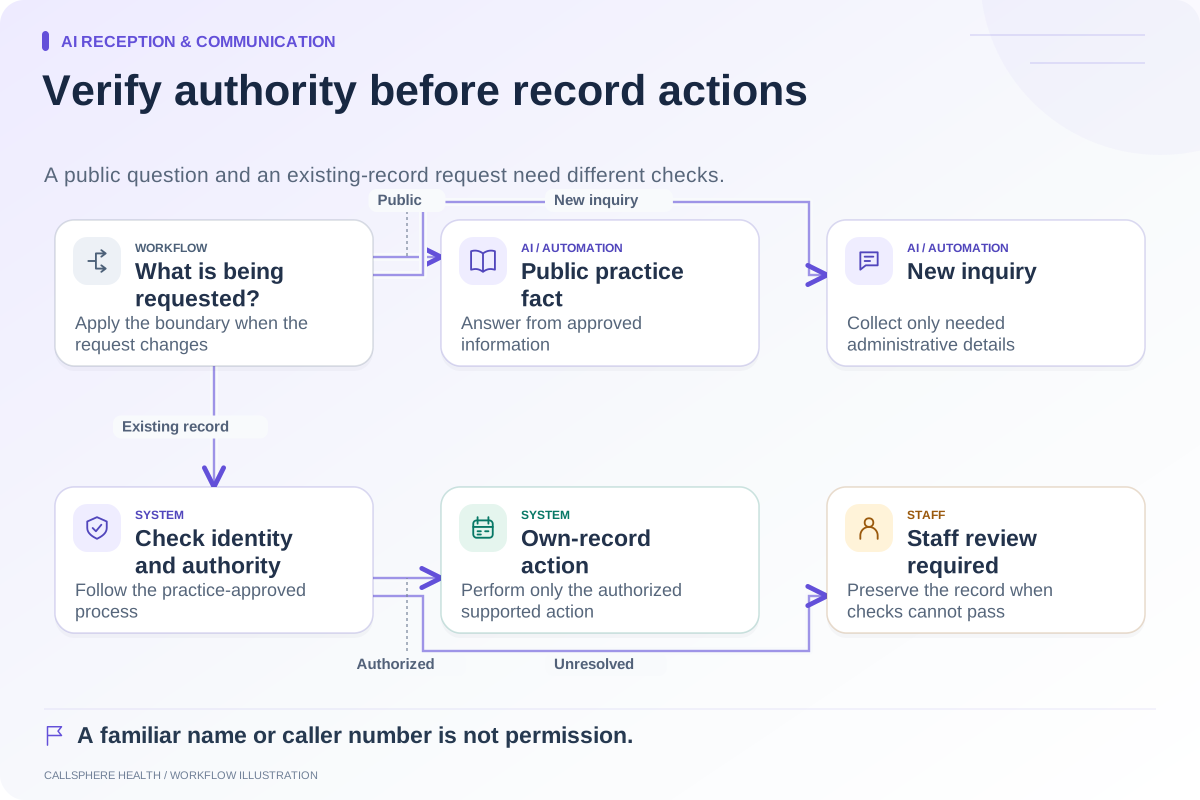
Define phone identity-check boundaries for appointment details, account questions, and changes using a practical information-access ladder.
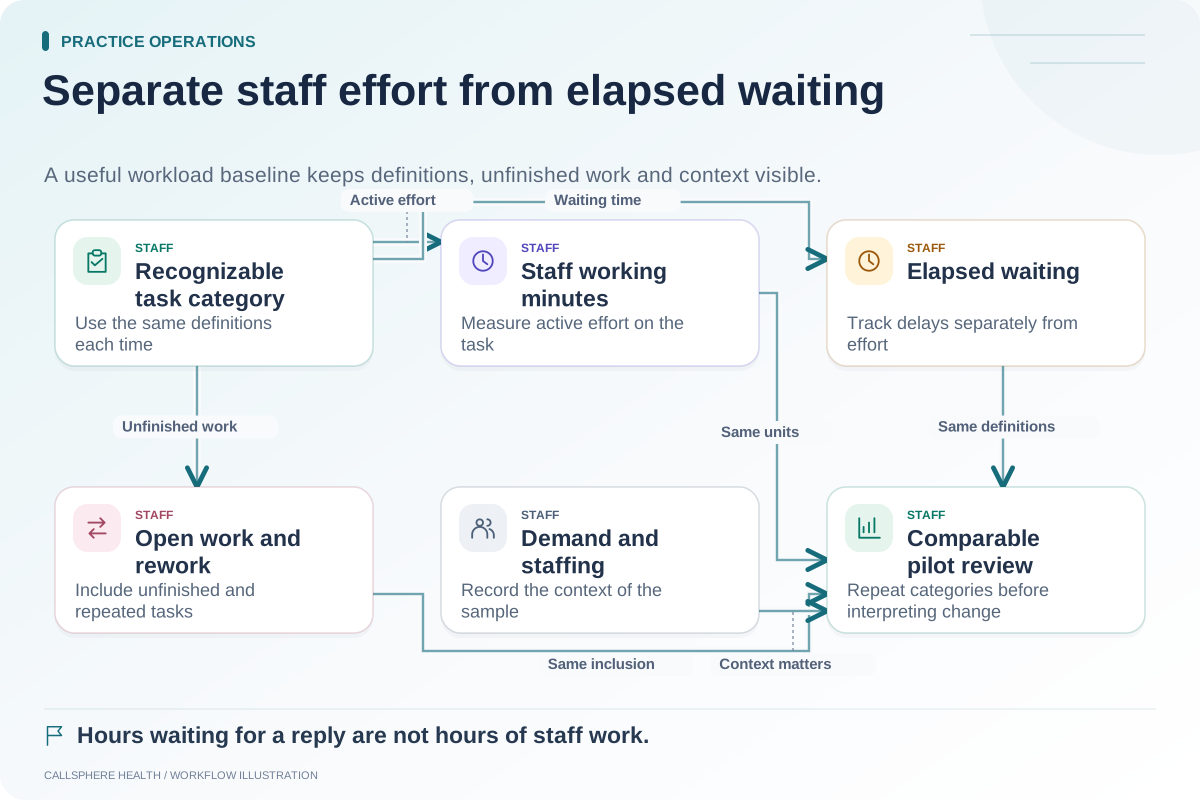
Measure therapy practice administrative work with a five-day time study, clear task categories and honest denominators before buying automation.
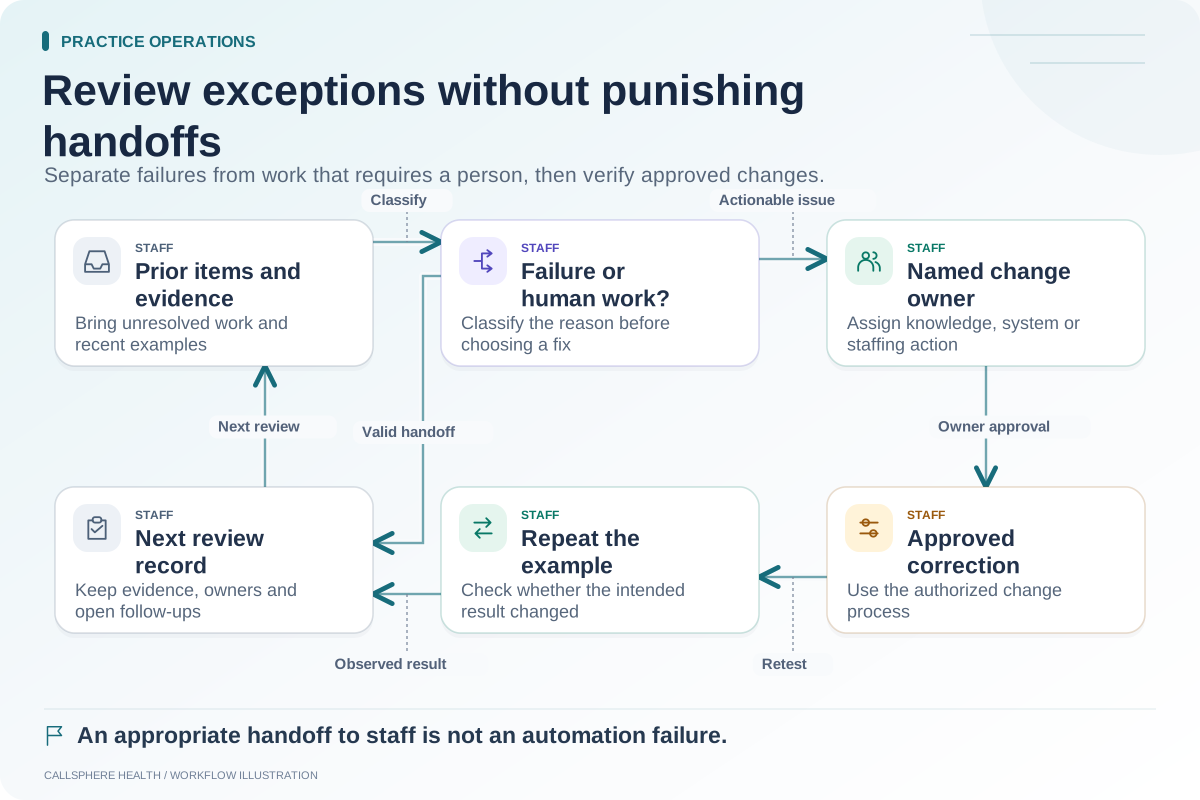
Review administrative AI exceptions each week with clear categories, owners and fixes, while separating captured requests from completed tasks.
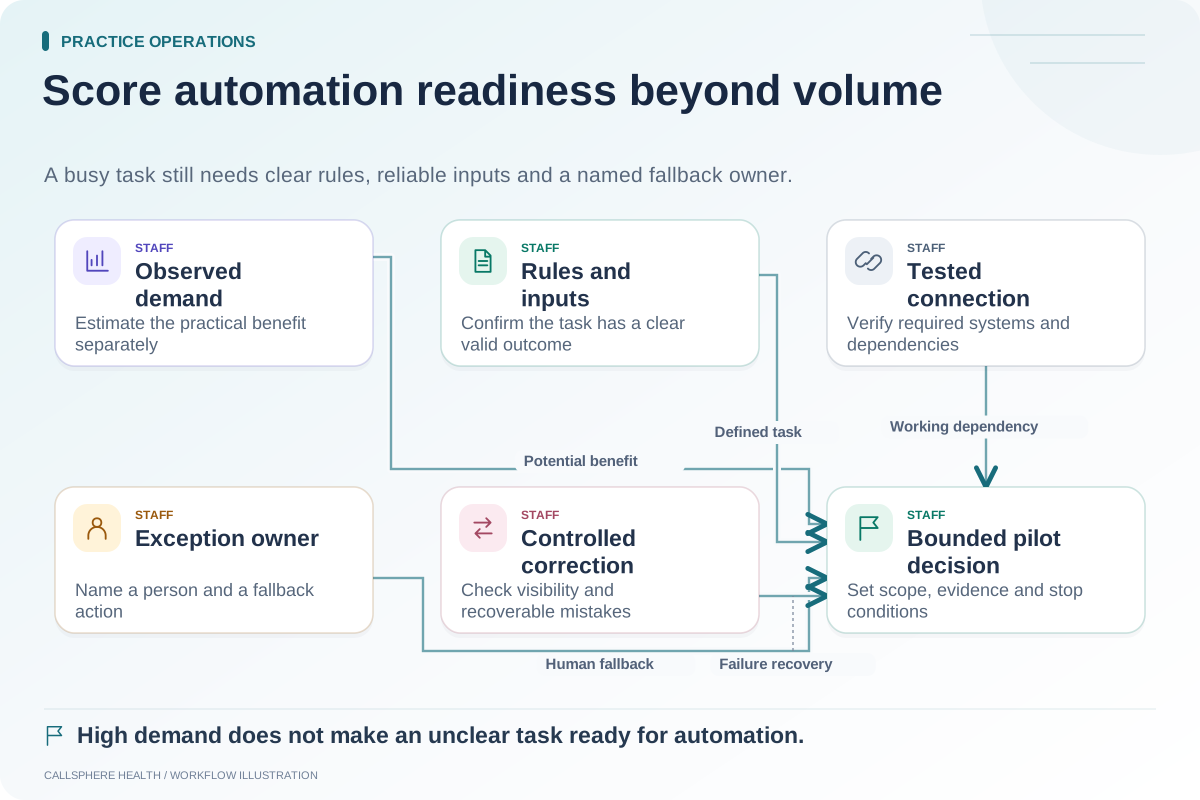
Choose a first therapy practice automation project using task frequency, rule clarity, dependencies and staff follow-up readiness.
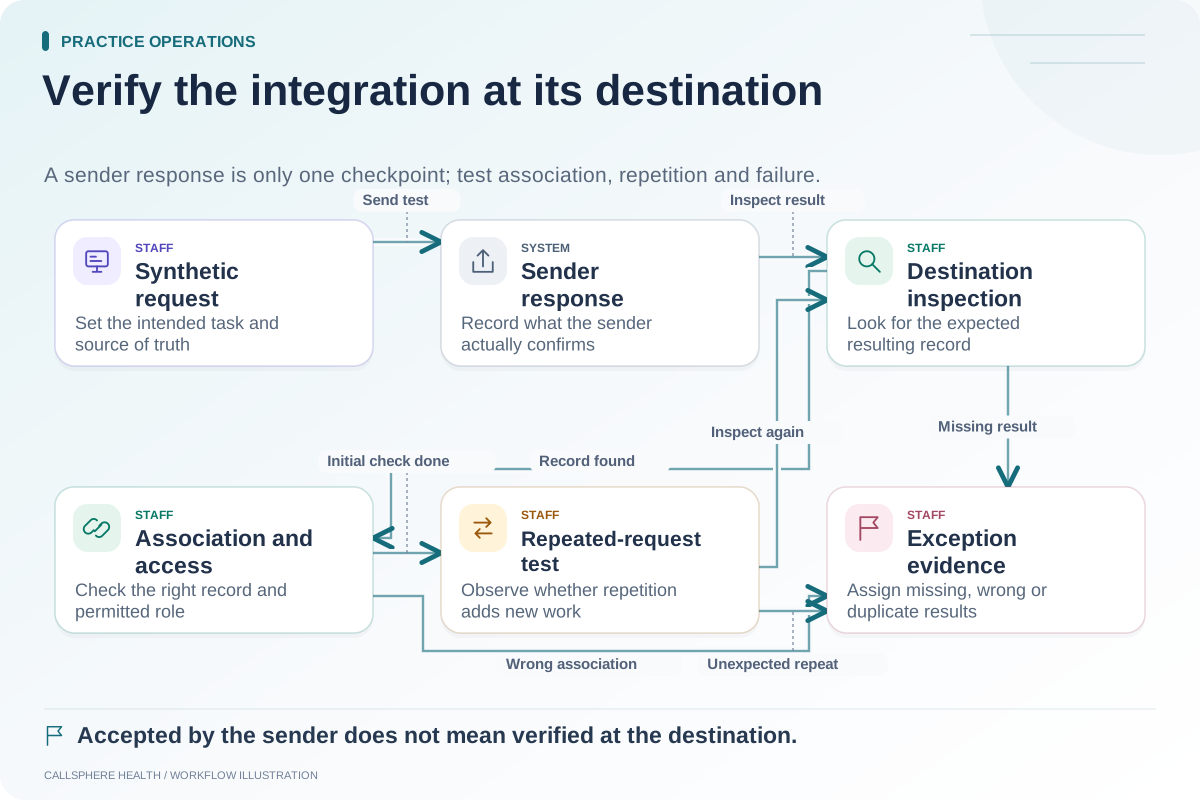
Test EHR integrations with synthetic requests, retries, failures and destination checks instead of treating a connected badge as proof.