Workflow · reduced motion
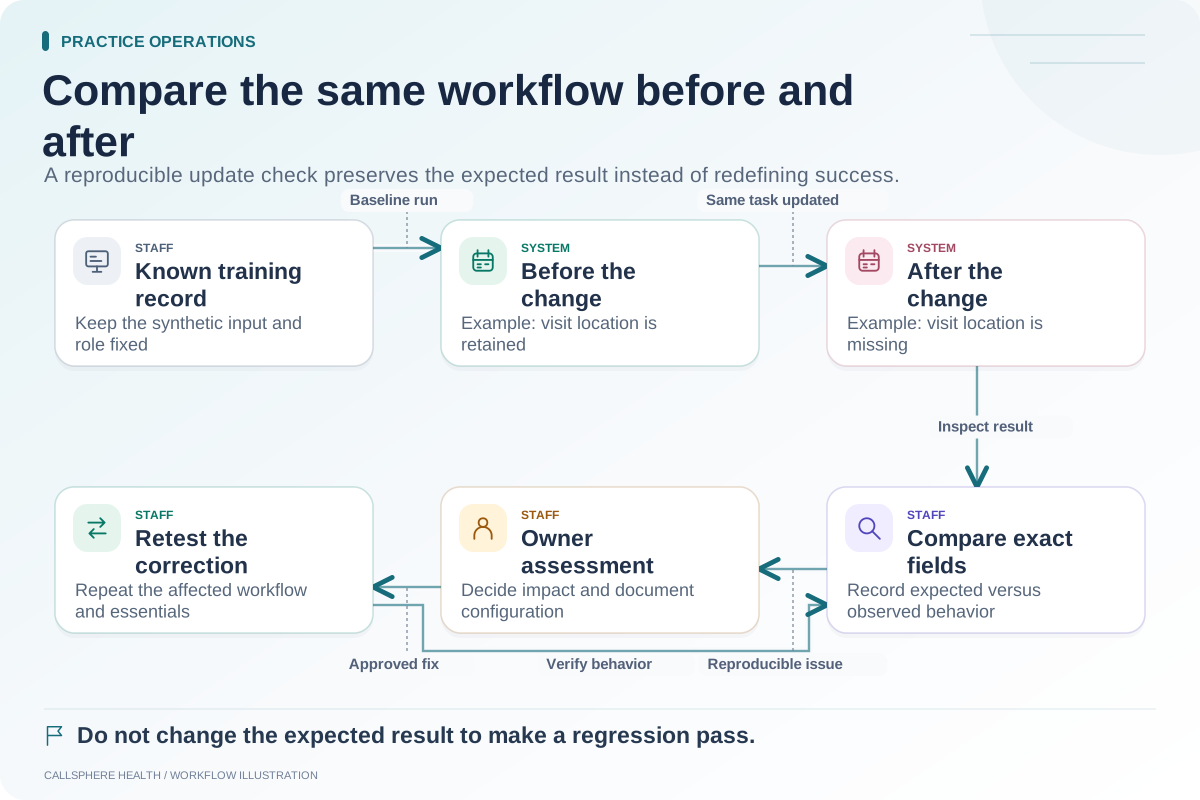
Recheck critical workflows after a software update
Recheck scheduling, intake, documentation, billing and permissions after a practice software update with a small synthetic regression suite.
3 min read
The Therapy Practice Playbook
Practical guidance for mental and behavioral health teams navigating scheduling, intake, documentation, billing, growth and front-office workload—with responsible ways to use AI. See how CallSphere works.
105 articles
Recheck scheduling, intake, documentation, billing and permissions after a practice software update with a small synthetic regression suite.
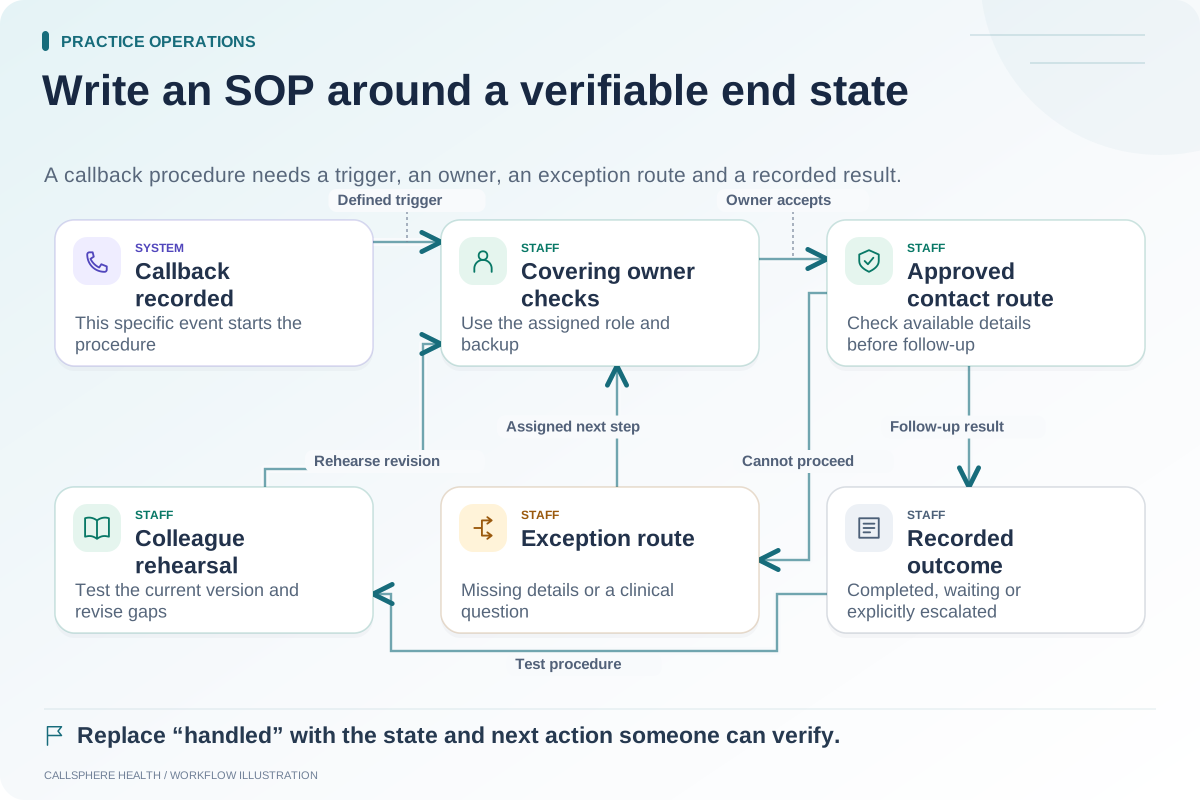
Write a practical therapy practice SOP that names the trigger, software state, staff owner, exception route and evidence of completion.
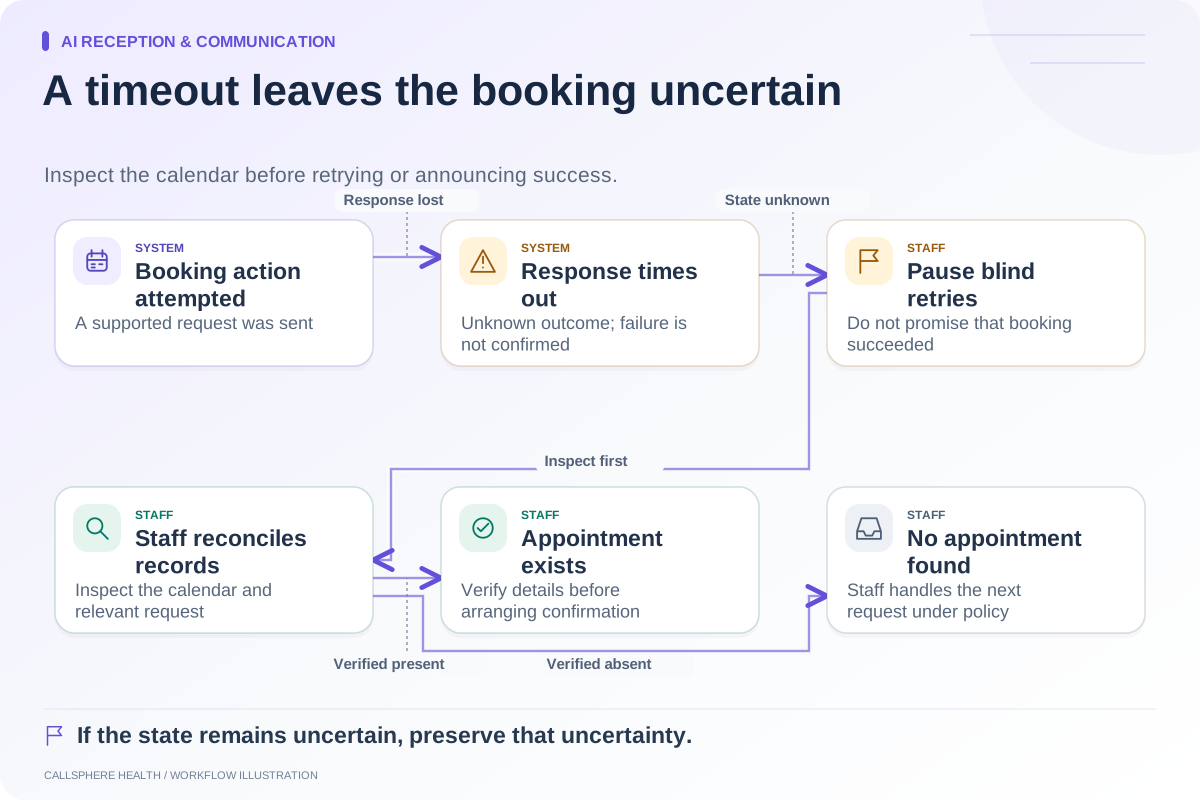
Create a practical fallback matrix for AI receptionist outages, unavailable booking integrations and uncertain action results before launching automation.
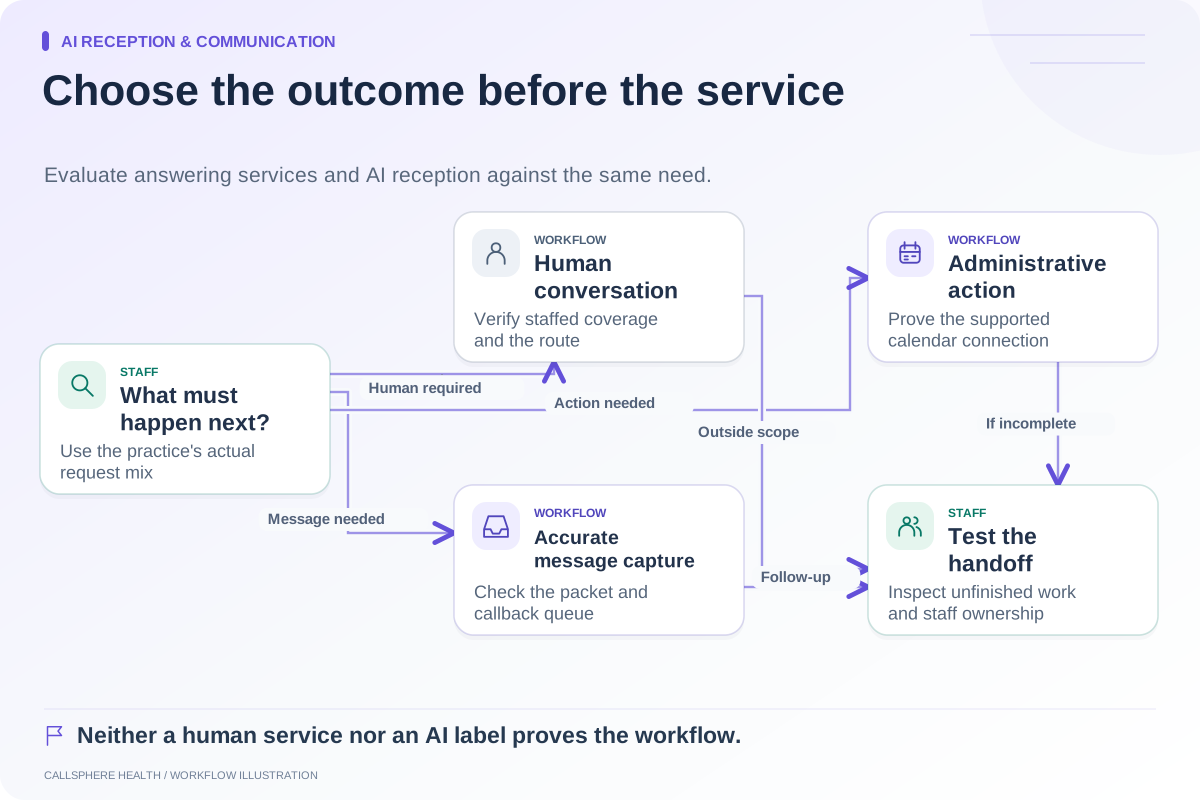
Compare an AI receptionist and an answering service for a therapy practice using coverage, actions, escalation, staff workload, and evidence.
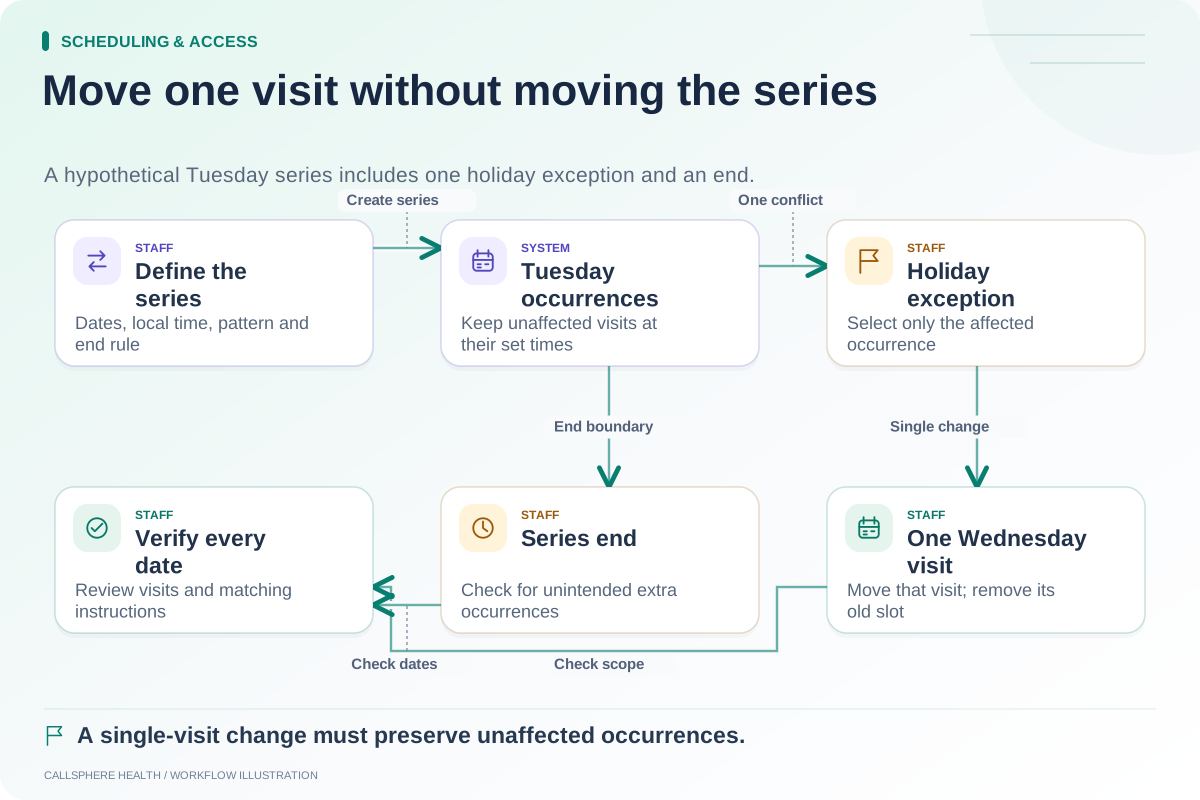
Test recurring therapy appointments across holidays, one-visit changes, series edits and end dates before relying on a standing weekly schedule.
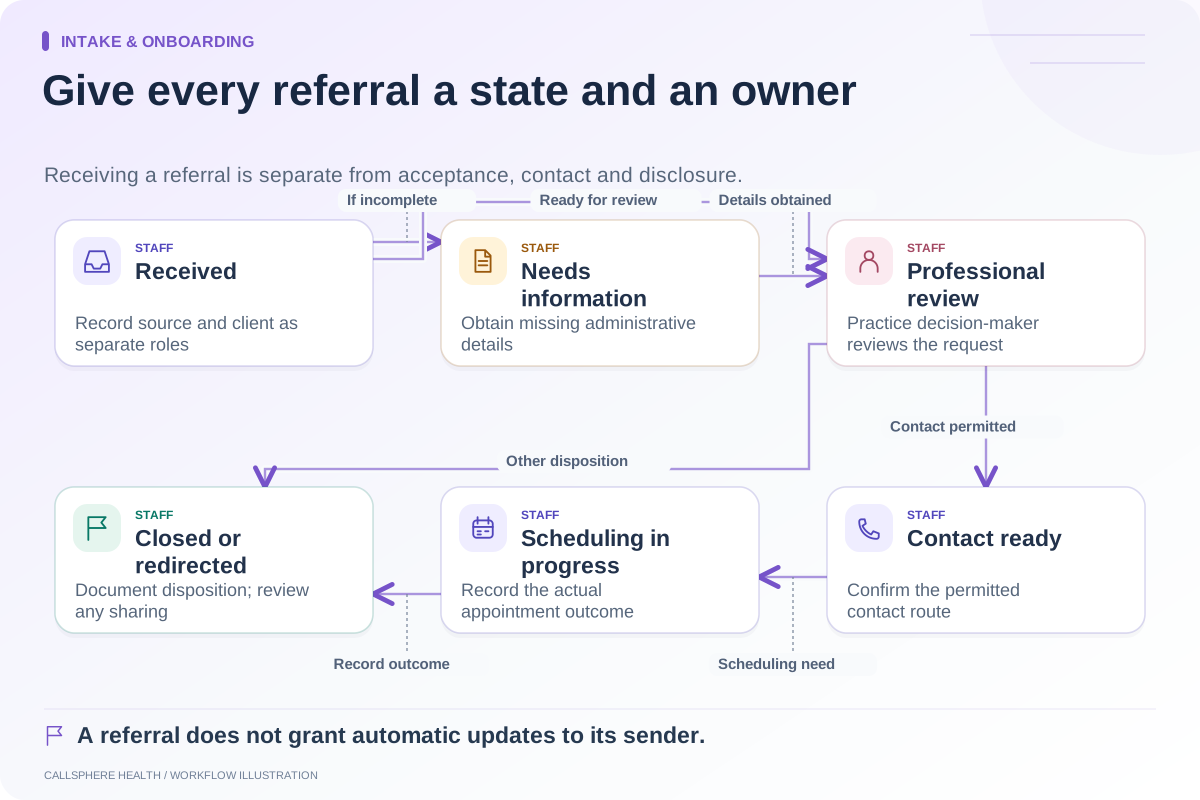
Organize incoming therapy referrals with distinct received, reviewed, contact-authorized and scheduled states, plus ownership and return-message boundaries.
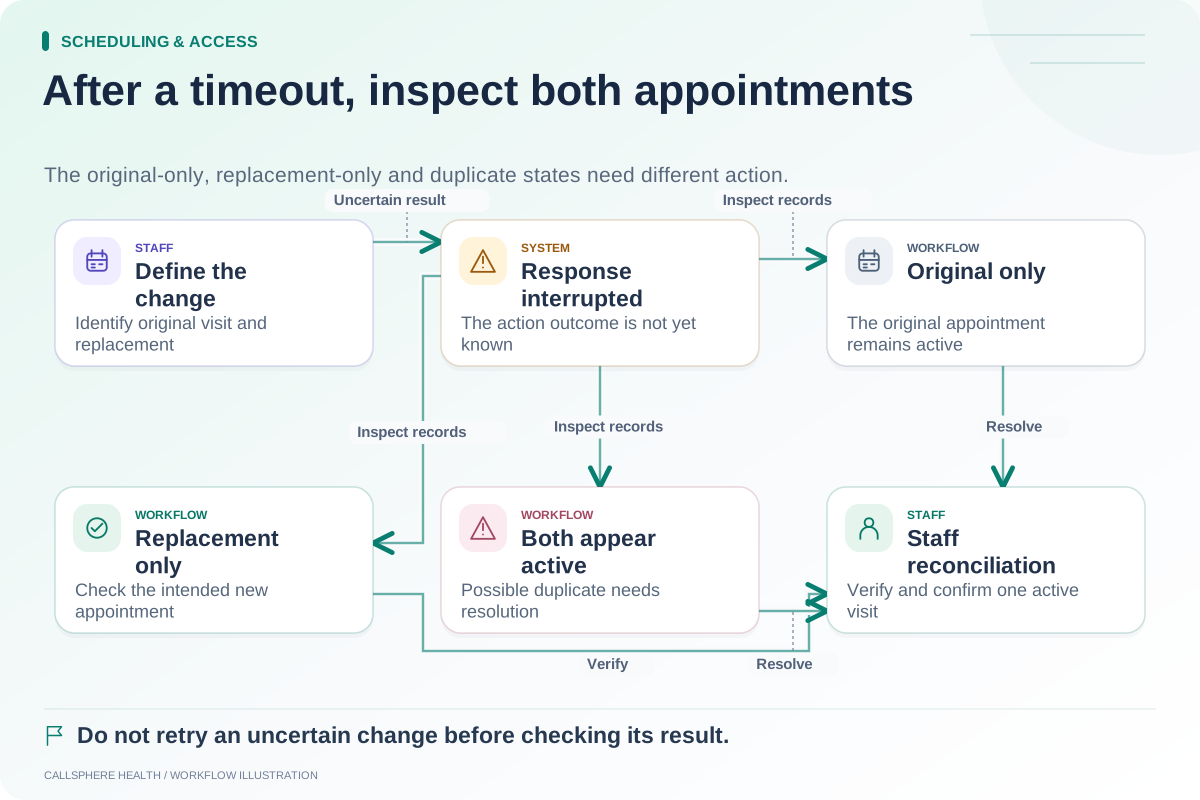
Verify old and new appointment states during rescheduling, including timeouts, repeated requests and partial failures that can leave duplicate visits.
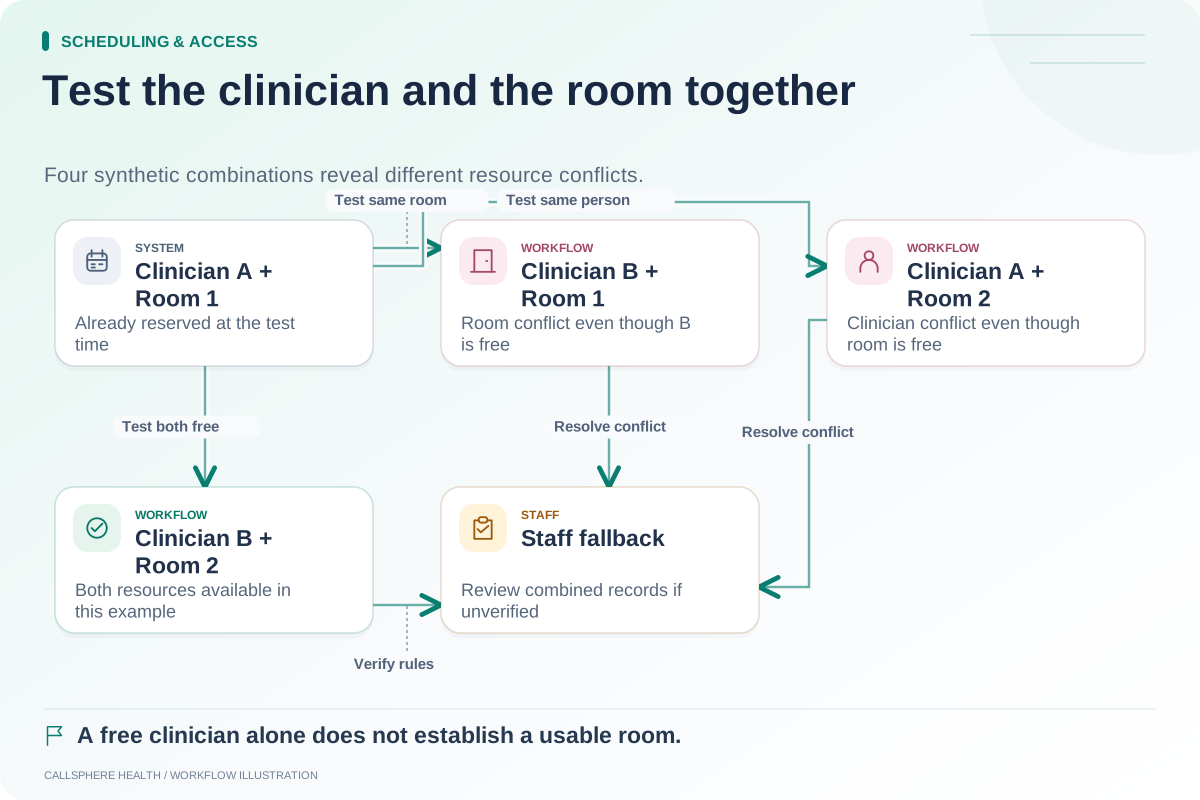
Test clinician and room availability together with a two-resource conflict checklist and a practical manual fallback when automatic coordination is unverified.
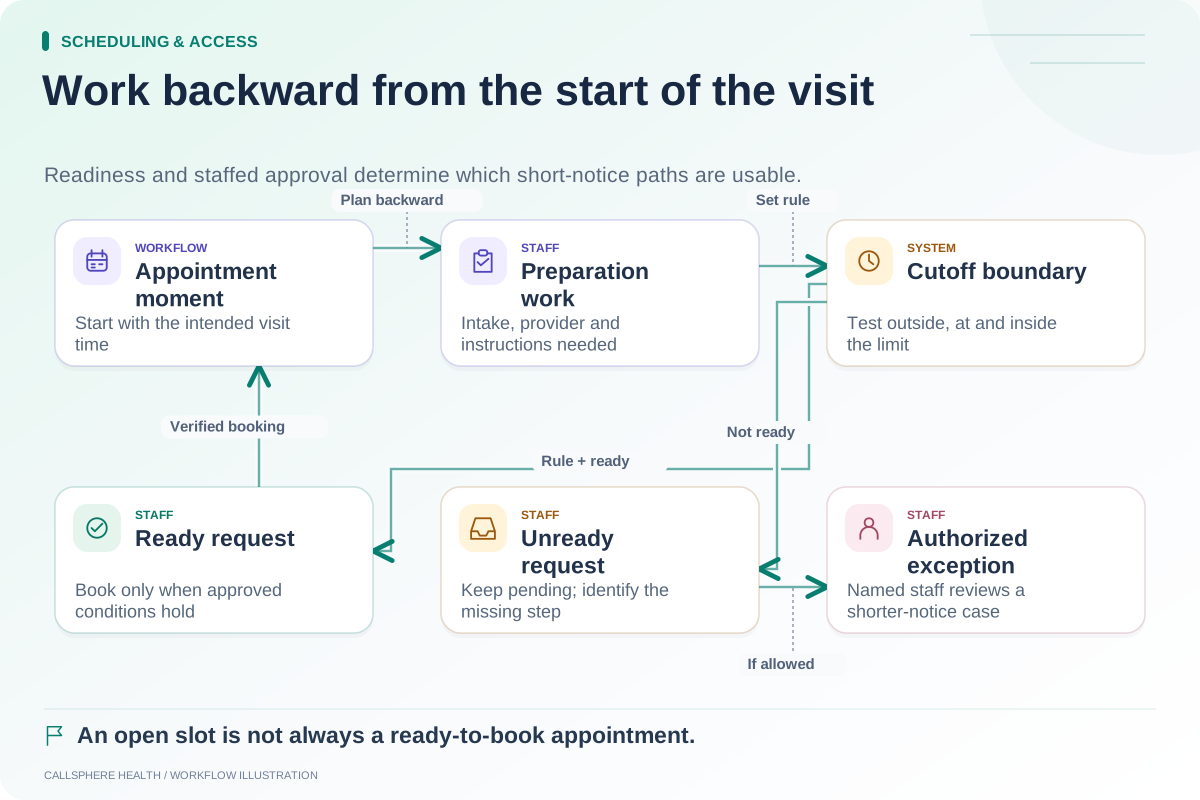
Set practical same-day booking cutoffs using appointment type, intake readiness, staffing and reminder timing instead of treating every empty slot as ready.
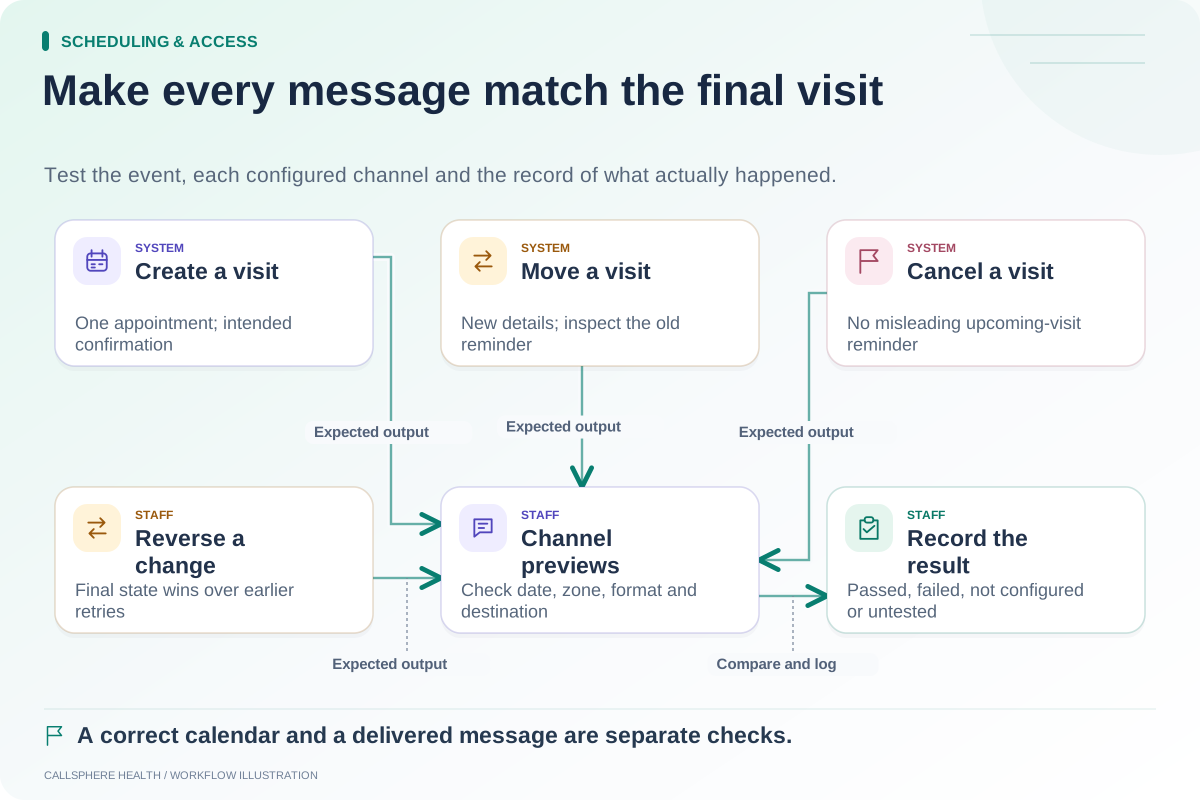
Use an event-by-channel checklist to test confirmations, reminders and staff tasks after therapy appointments are created, moved or canceled.
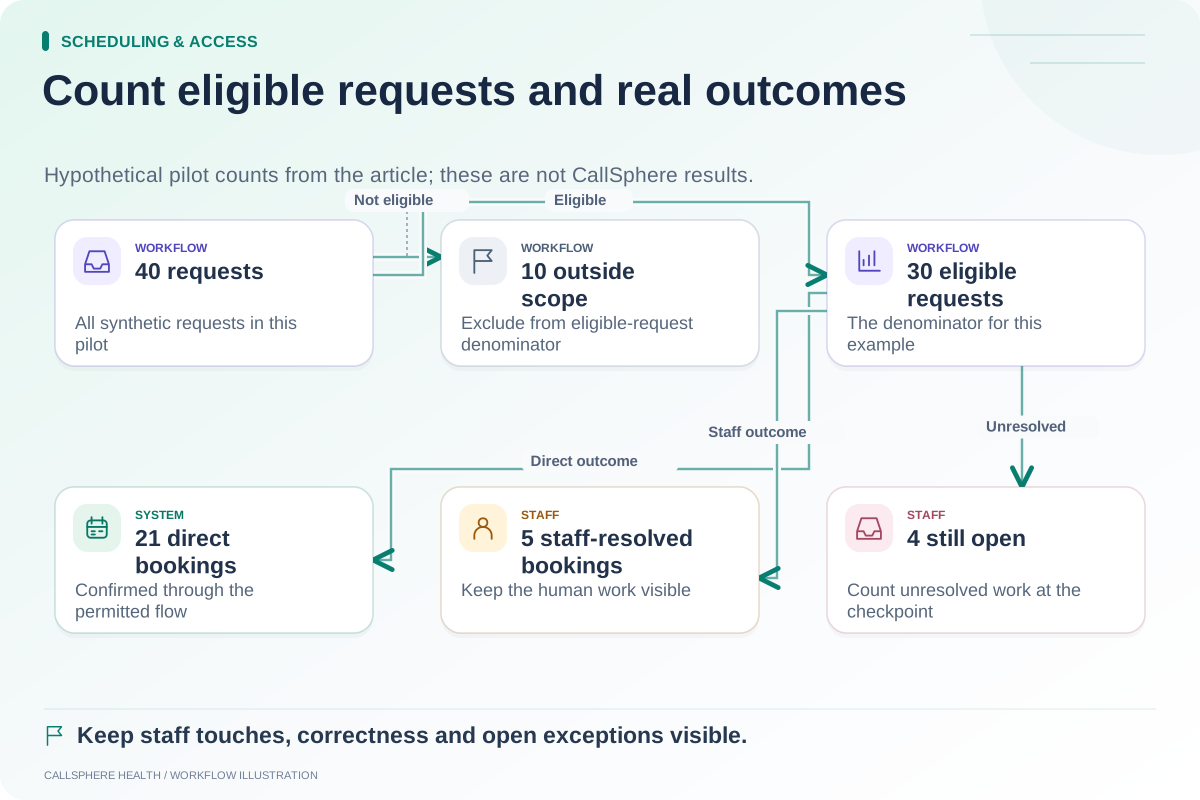
Measure scheduling automation with distinct request, booking, exception and staff-touch metrics instead of counting AI conversations as completed appointments.
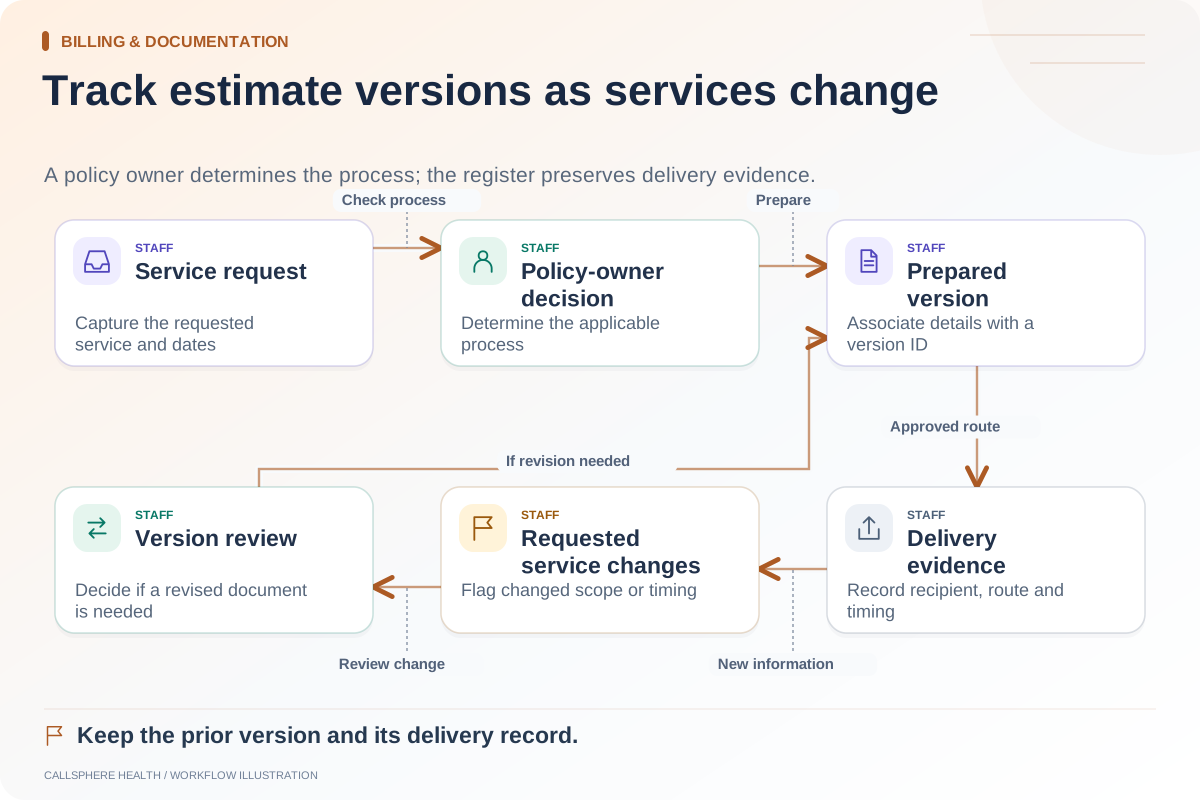
Assign responsibility for self-pay estimates, changes and delivery records in a therapy practice, with a CMS source and a practical staff checklist.
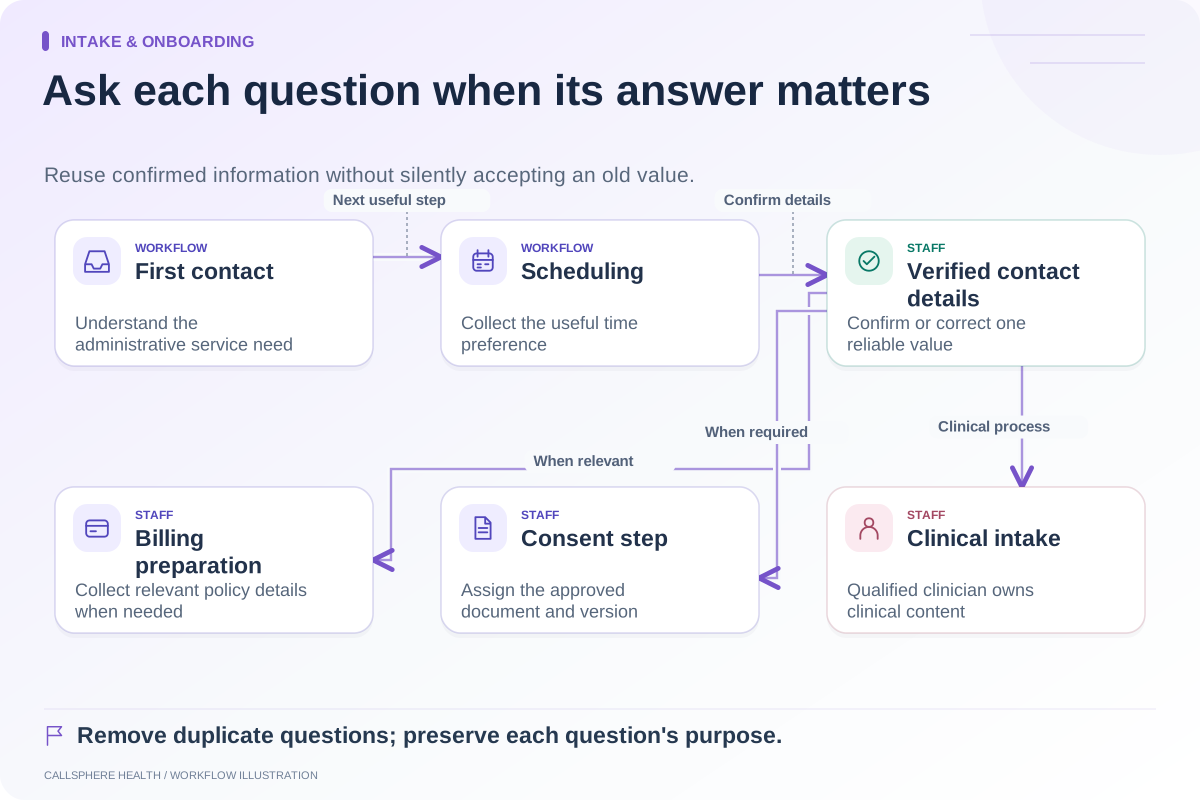
Use a question-timing matrix to reduce duplicate administrative intake fields while preserving information staff and clinicians actually need.
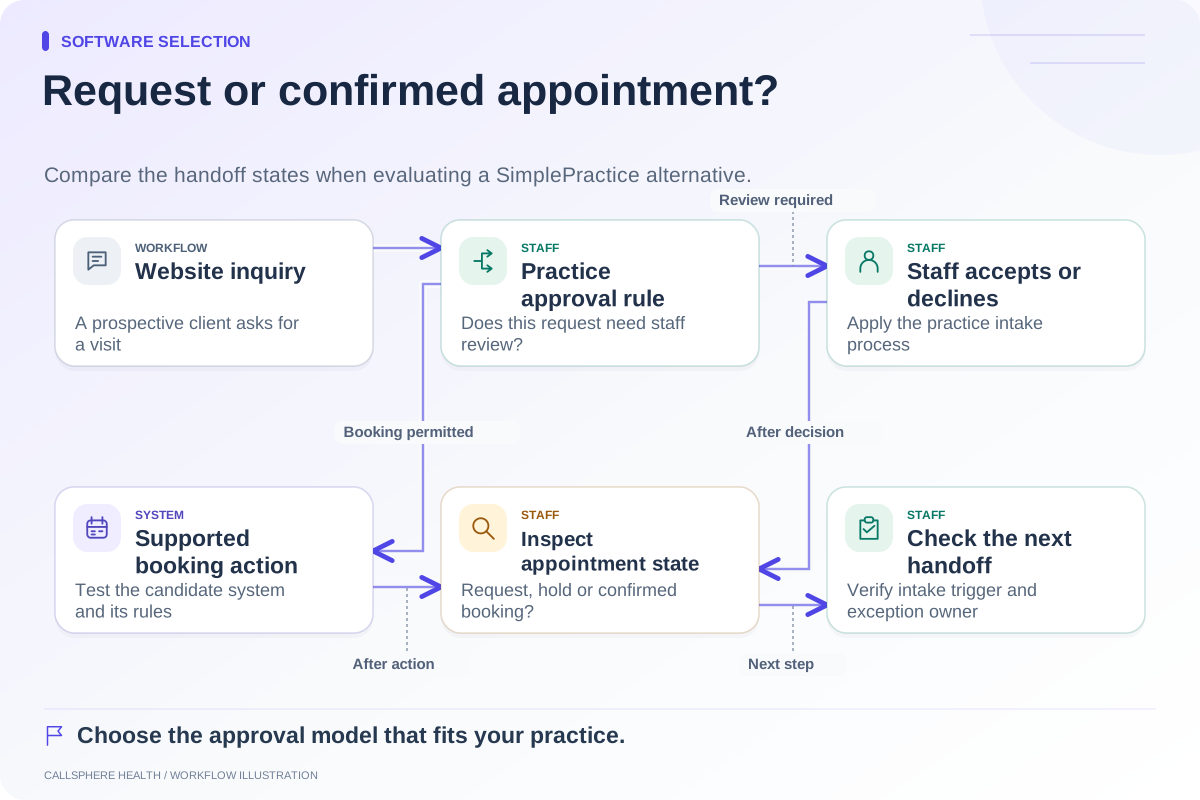
Evaluate a SimplePractice alternative using current feature sources, front-office demo tests, switching costs, and honest CallSphere Health limits.
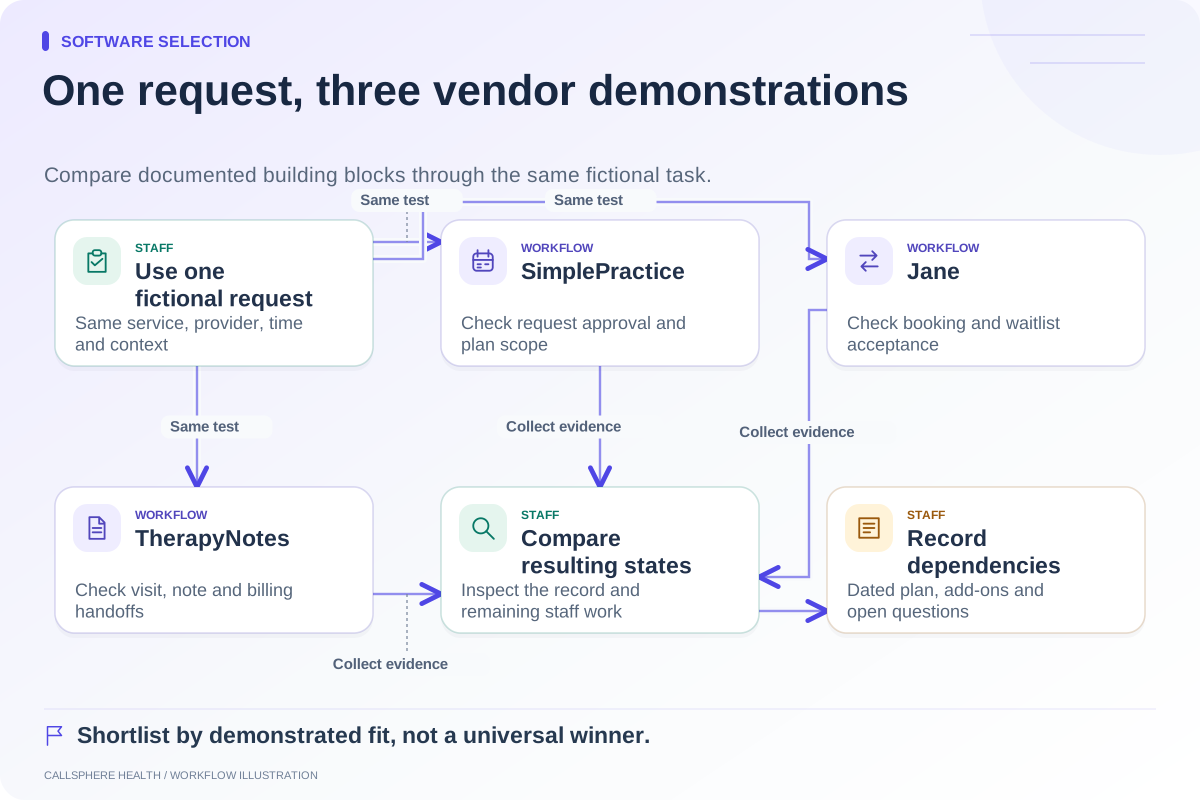
Compare SimplePractice, Jane, and TherapyNotes using current official sources, booking models, team needs, and AI workflow questions.
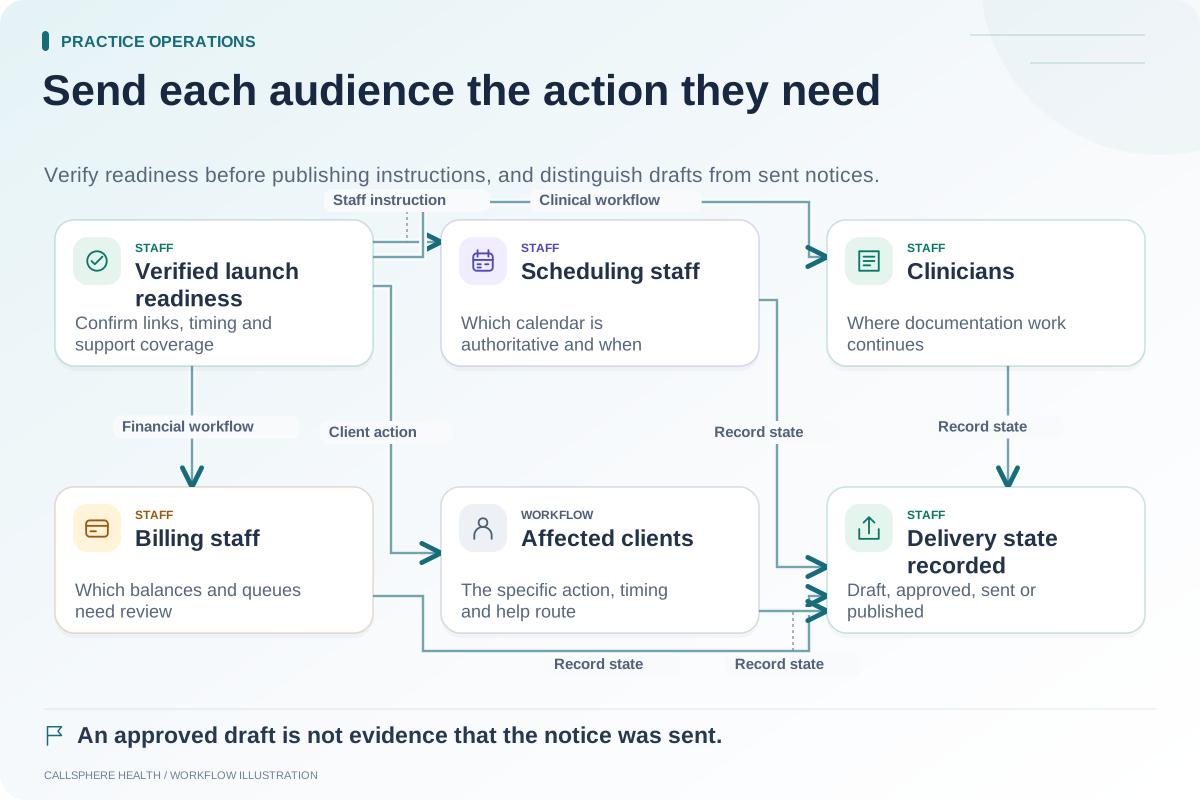
Plan staff and client communications for a therapy software change with audience-specific instructions, timing and ownership.
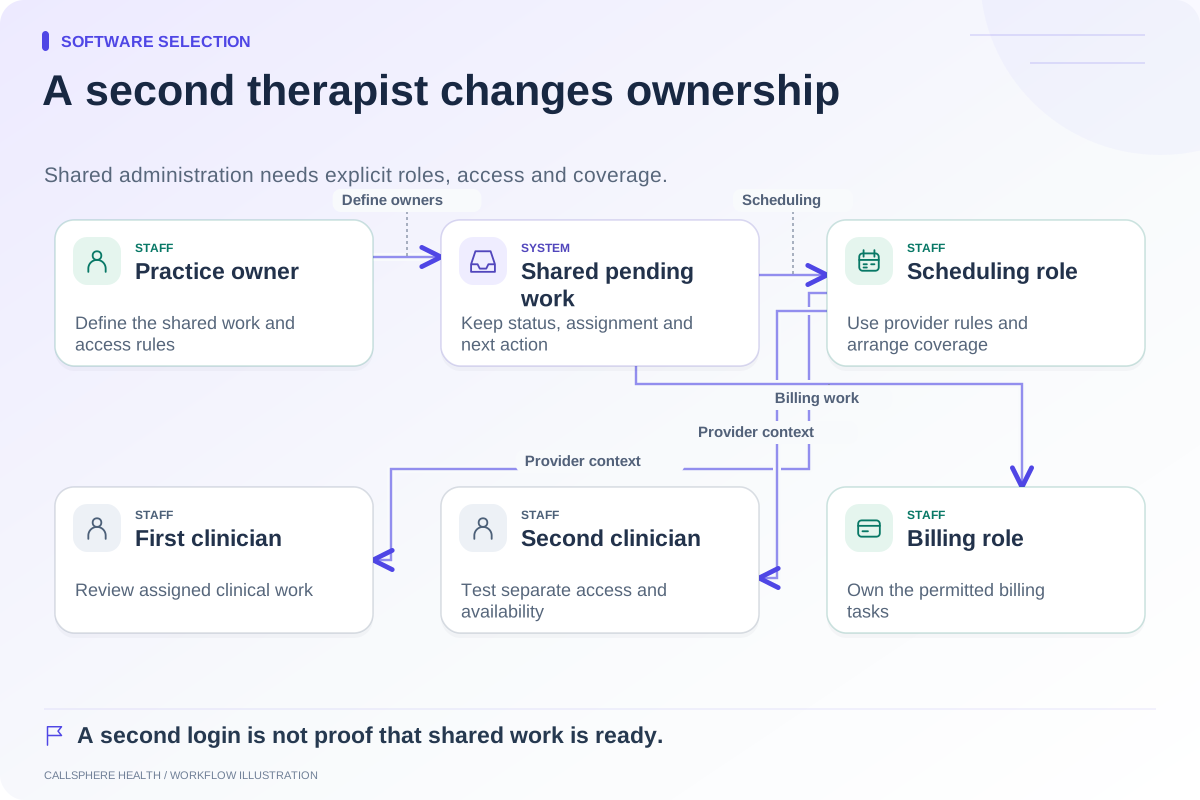
Choose an EHR before adding a second therapist by testing role access, calendar ownership, client assignment, billing, and staff handoffs.
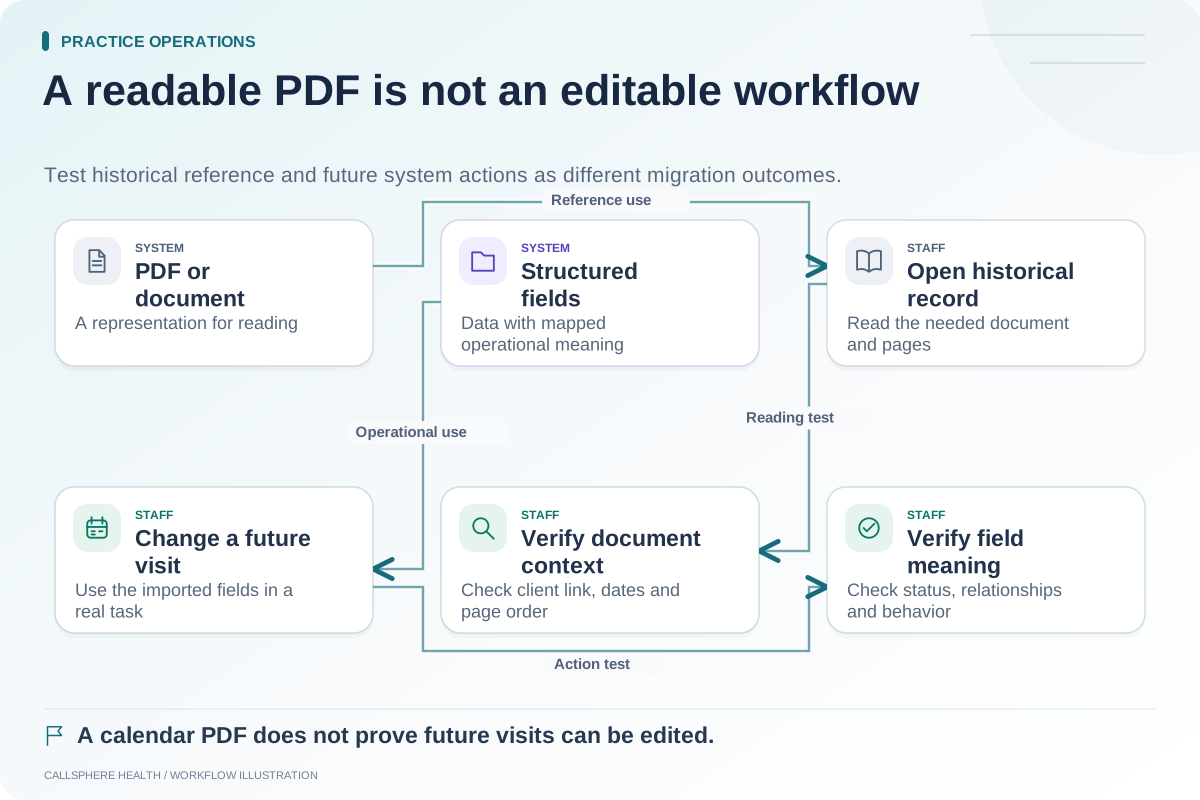
Understand the difference between transferring usable EHR fields and attaching historical PDFs, with concrete checks for therapy practice migration.
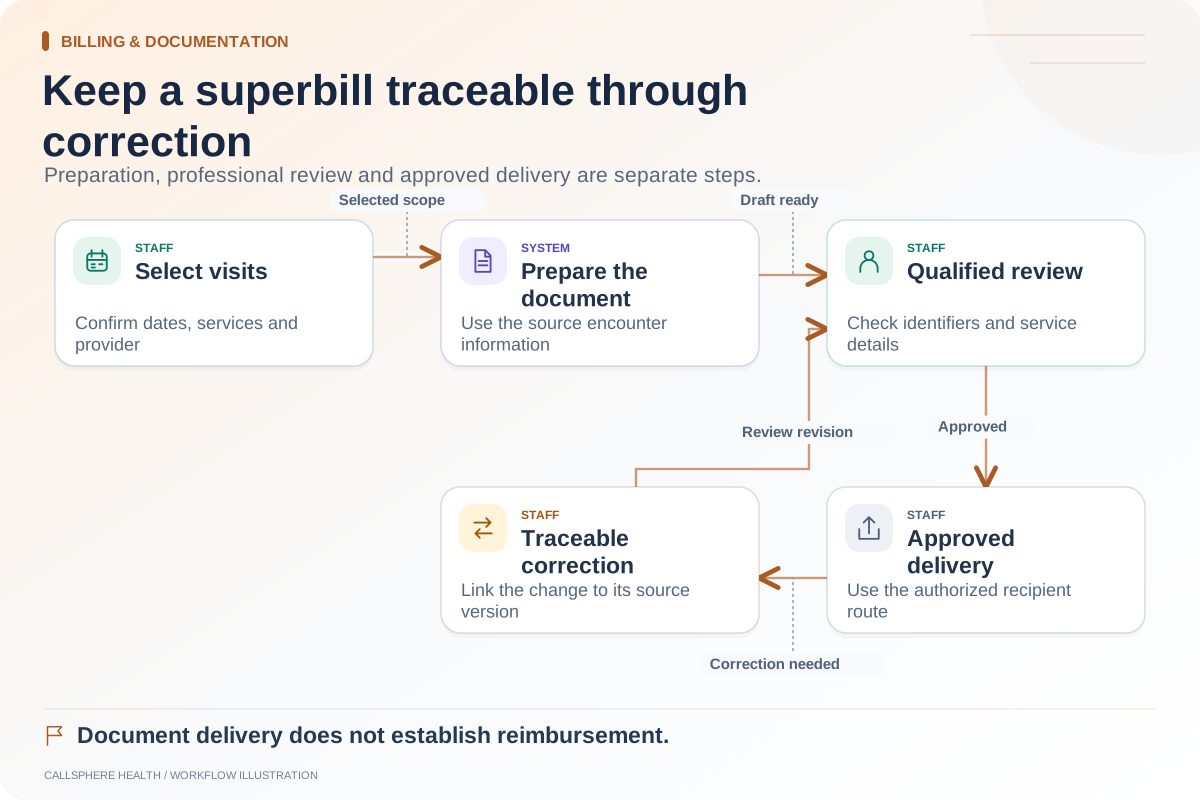
Create a therapy superbill workflow with deliberate date selection, professional review, verified recipient delivery and a traceable correction process.
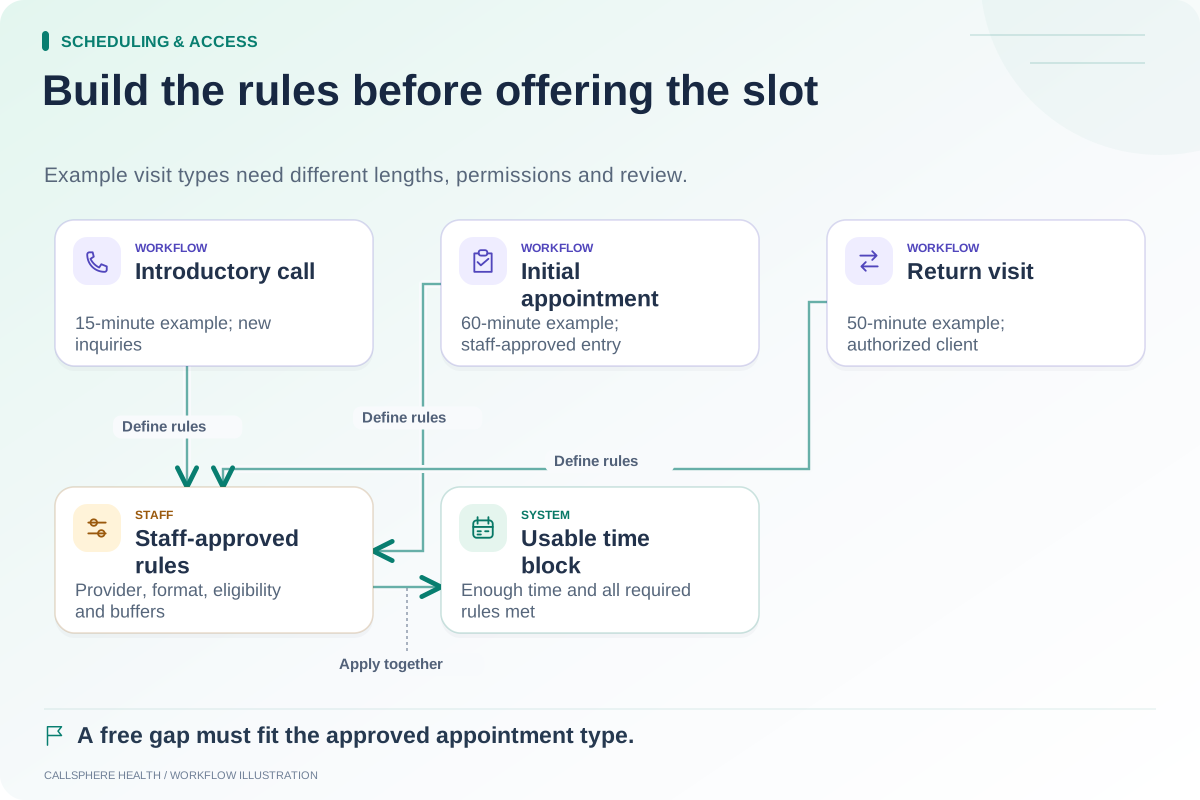
Define consultation, intake and return-visit rules before enabling automated booking, including duration, eligible providers and staff approval.
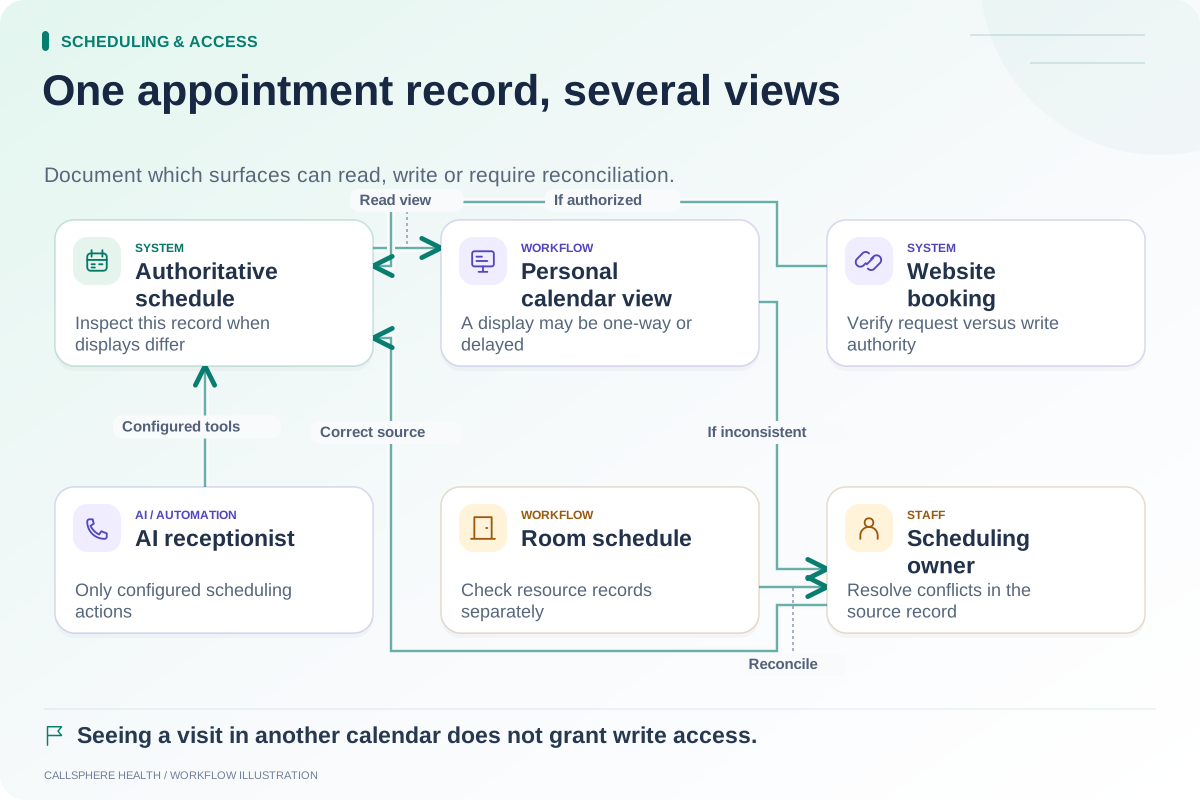
Create a calendar authority map that distinguishes the scheduling source of truth from personal calendar views, booking widgets and AI access.
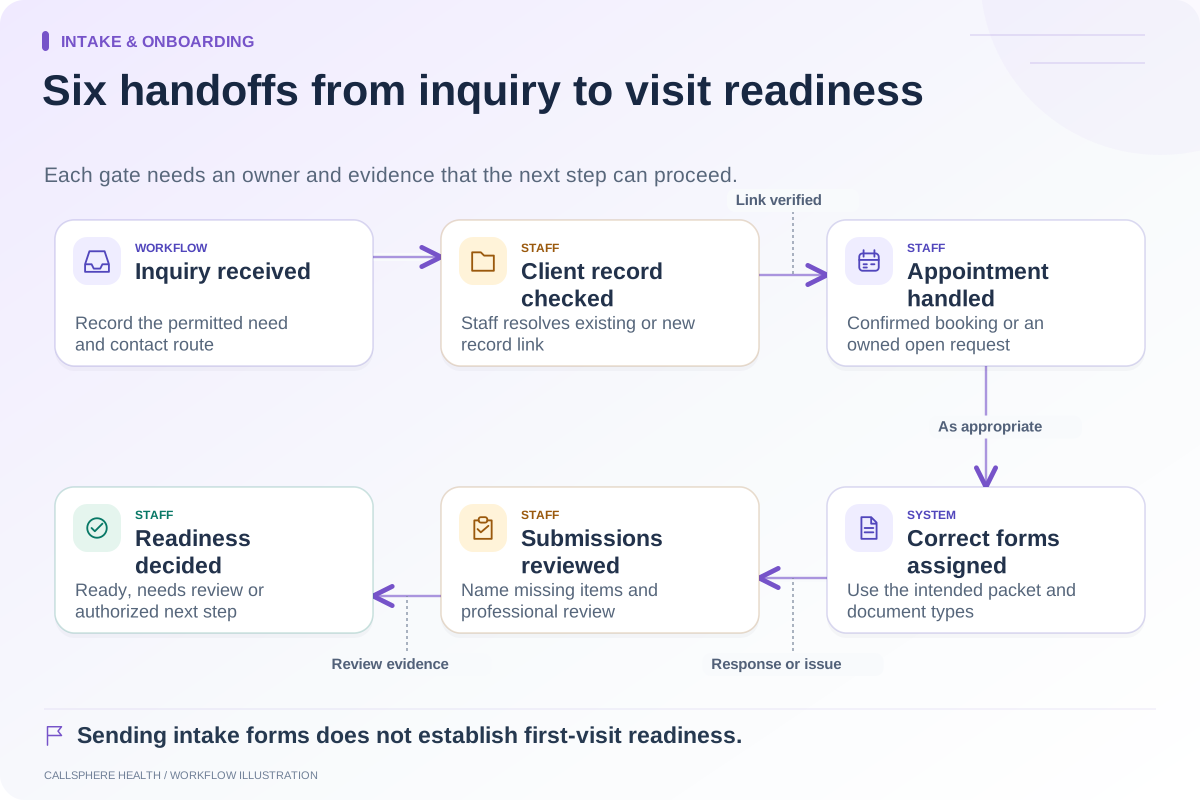
Map therapy intake from first inquiry to the first visit with clear entry criteria, record checks, form delivery and staff review responsibilities.
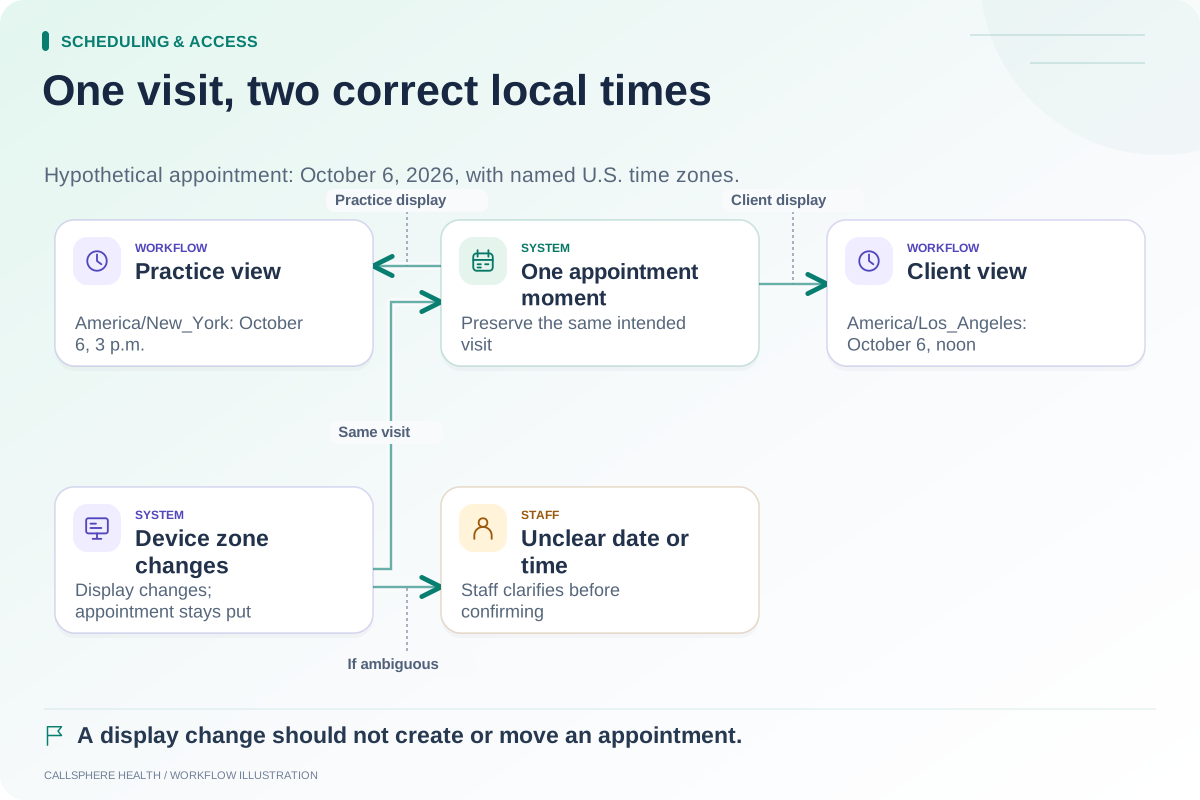
Use synthetic cross-zone appointments to check teletherapy booking displays, confirmations, recurring visits and daylight-saving changes.
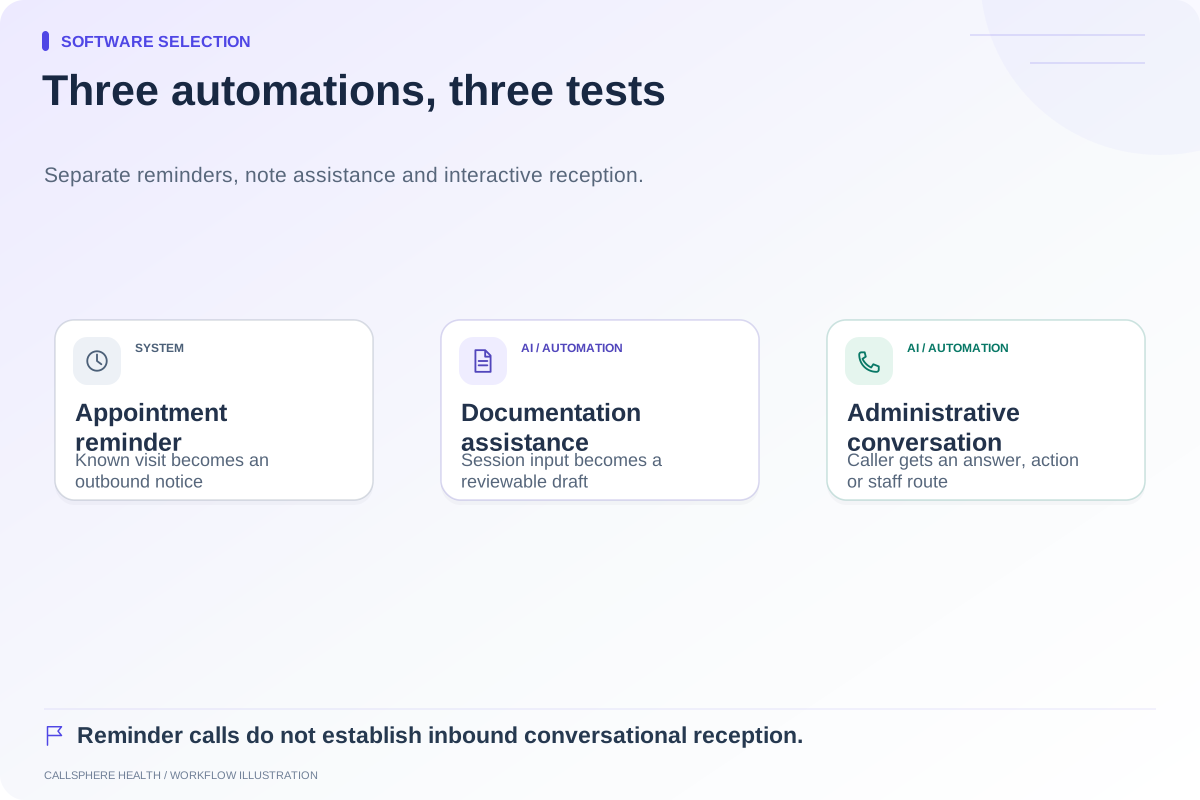
Evaluate a TherapyNotes alternative for front-desk work without overlooking its documented scheduling, reminders, billing, and AI documentation tools.